
Glen Ord
2012 Signatory Vintage 100 Proof Edition #43
Malty & Dry4.4 ★
Single Malt Whisky
57.1% • 700ml • Highlands

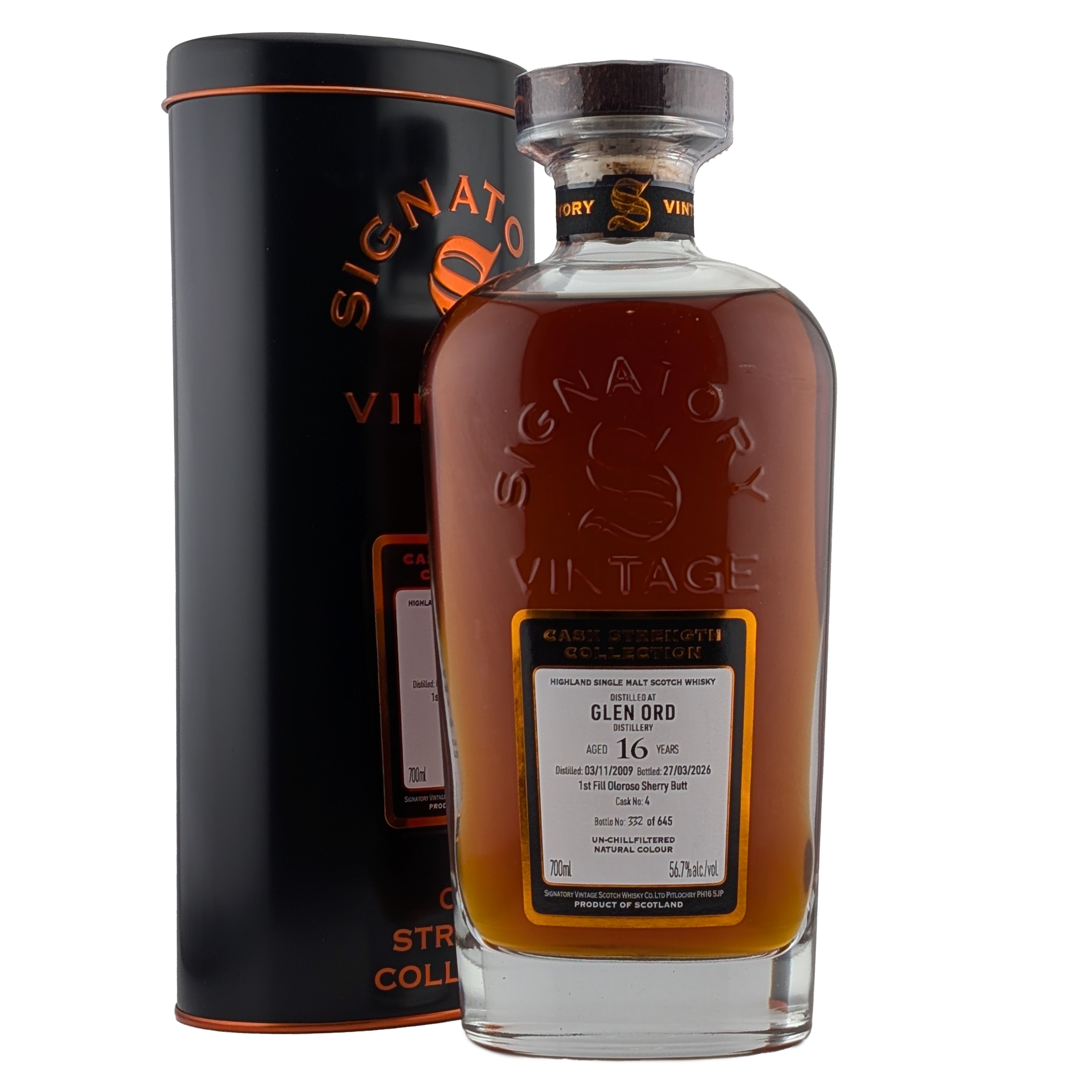


PRODUCERGlen Ord

BOTTLERIndependent Bottling by Signatory Vintage

AGE16 Years Aged, Distilled 2009

CASK TYPE1st Fill Oloroso Hogshead

RELEASEStrath Exclusive In BC Cask Strength Single Cask Release Of 645 Bottles

CHILL-FILTRATIONNo

ADDED COLOURNo

PEAT SMOKEDNo
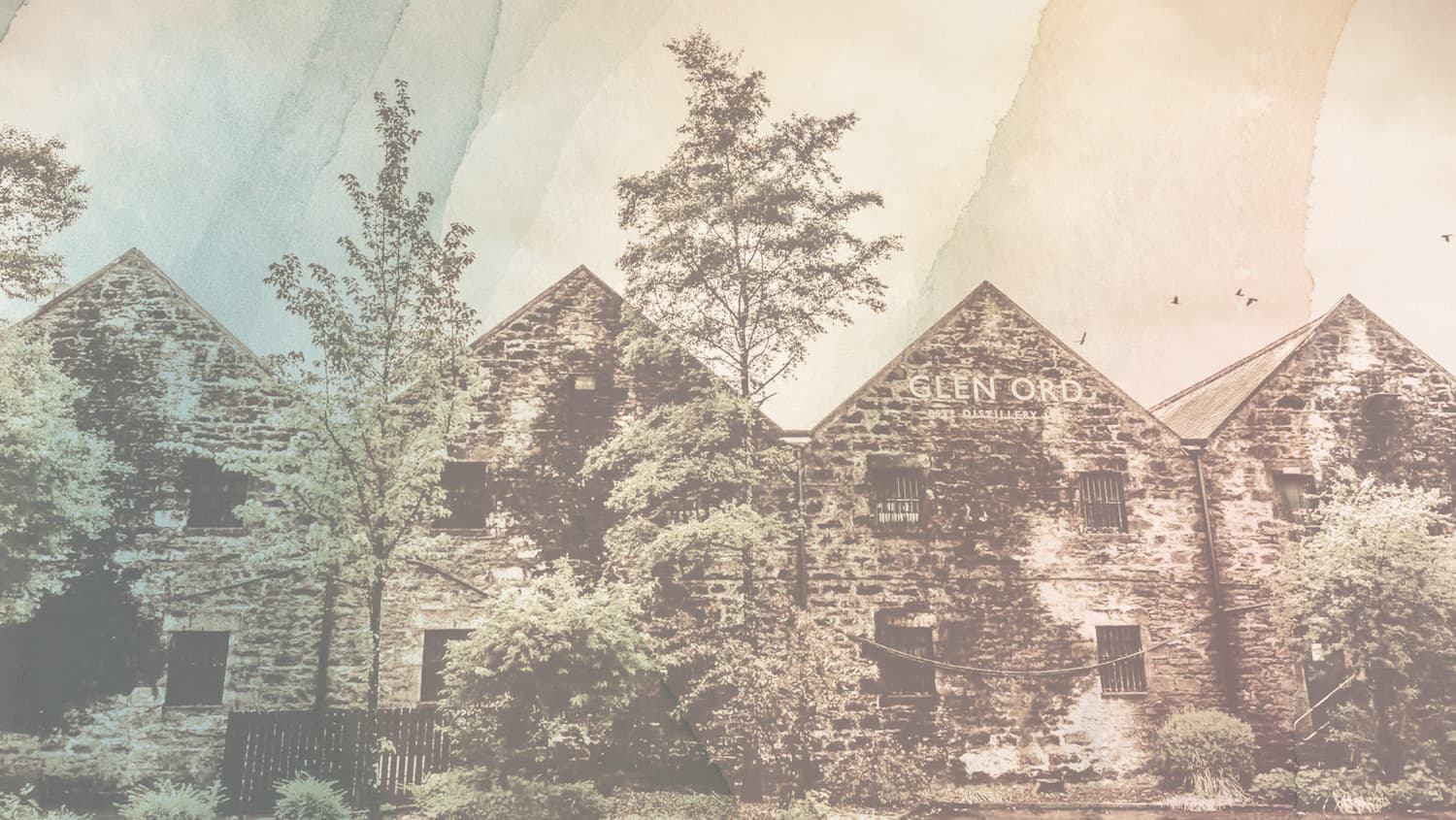
For somewhere called the Black Isle, there is remarkably little island about it. This fertile Highland peninsula, bounded by the Moray and Cromarty Firths, has a long association with whisky production, and Glen Ord is among its most enduring inhabitants. Established in 1838 by local landowner Thomas Mackenzie, the distillery initially passed through a succession of tenants, bankruptcies, and even a fire that destroyed its newly constructed stillhouse in 1878. Greater stability arrived with the Dundee blenders James Watson & Co. in 1896, followed by John Dewar & Sons in 1923. Today, Glen Ord belongs to Diageo.
Situated near Muir of Ord, northwest of Inverness, the distillery is surrounded by productive farmland and rolling Highland countryside. Its most remarkable feature is arguably its enormous drum maltings, established in 1968, which supply malted barley not only to Glen Ord but to numerous other Diageo distilleries. Where many distilleries have long since outsourced their malting, Glen Ord retains an unusually intimate relationship with this essential ingredient, albeit on a thoroughly industrial scale.
Production emphasises clarity and patience, with clear wort, lengthy fermentation, and carefully controlled distillation encouraging a fresh, grassy spirit. An unusual approach to condensation keeps the cooling water relatively warm, prolonging contact between alcohol vapour and copper before final cooling. The resulting whisky balances orchard fruits and freshly cut grass with toffee, gentle spice, and a whisper of peat. Although historically an important contributor to blended Scotch, Glen Ord has developed a considerable following as The Singleton of Glen Ord, particularly in Asian markets. It remains a rather splendid example of Highland whisky that manages to be both substantial and remarkably approachable.
Single Malt Whisky
57.1% • 700ml • Highlands

Single Malt Whisky
59.4% • 750ml • Highlands

Single Malt Whisky
59.8% • 698ml • Highlands

Single Malt Whisky
58.6% • 750ml • Highlands

Single Malt Whisky
59.1% • 750ml • Highlands
Founded in 1988 by Andrew Symington, Signatory Vintage Scotch Whisky Company emerged during a period when independent bottling was still a relatively understated part of the Scotch whisky landscape. Symington’s approach was clear from the outset: to source individual casks and present them with minimal interference, often at natural cask strength, allowing the character of both distillery and maturation to remain fully intact. It was a philosophy rooted not in consistency, but in variation, and in the belief that each cask had something distinct to say.
Over time, the company built a reputation for both breadth and depth. Its releases have spanned an extraordinary range of distilleries, from well-known names to those long since closed, preserving liquid that might otherwise have disappeared into blends or obscurity. This archival instinct has become one of Signatory’s defining traits, offering drinkers access to styles and profiles that no longer exist in active production. The acquisition of Edradour Distillery in 2002 added a physical anchor to its operations, while leaving its core identity as a bottler unchanged.
What distinguishes Signatory most clearly is its transparency and structure. Bottlings typically carry detailed information, including distillation and bottling dates, cask type, and outturn, presented without embellishment. Much of the range is released without chill filtration or added colouring, reinforcing a sense of fidelity to the cask. Alongside its single cask releases, the introduction of the 100 Proof range has provided a more structured offering, where whiskies are selected and batched to be bottled at a consistent strength of 57.1% ABV. These releases retain the company’s emphasis on clarity and integrity, while offering a slightly more approachable framework for regular availability, balancing individuality with a degree of continuity.
Across series such as the Un-Chillfiltered Collection, Cask Strength releases, and the 100 Proof range, the underlying principle remains consistent: each bottle represents a moment in time, shaped by wood, spirit, and patience, and presented with a minimum of intervention.
Single Malt Whisky
57.1% • 700ml • Islay
10+ Bottles Available
Single Malt Whisky
57.1% • 700ml • Islay
6 Bottles Remaining
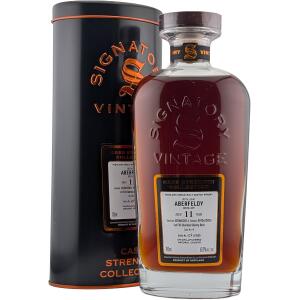
Single Malt Whisky
60.0% • 700ml • Highlands
4 Bottles Remaining
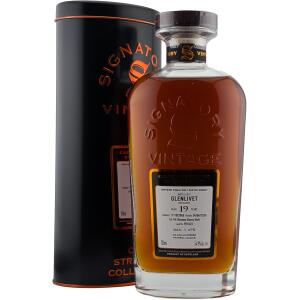
Single Malt Whisky
54.9% • 700ml • Speyside
4 Bottles Remaining
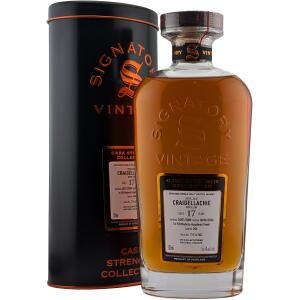
Single Malt Whisky
55.4% • 700ml • Speyside
9 Bottles Remaining
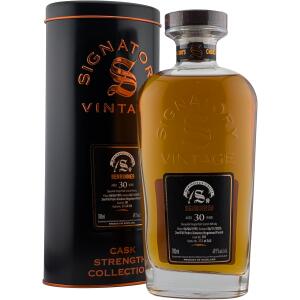
Single Malt Whisky
49.1% • 700ml • Speyside
3 Bottles Remaining
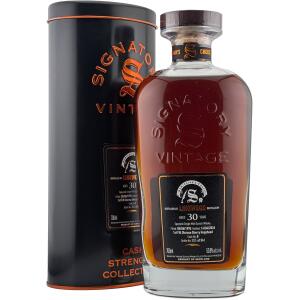
Single Malt Whisky
50.8% • 700ml • Speyside
3 Bottles Remaining
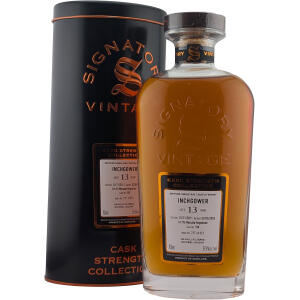
Single Malt Whisky
59.6% • 700ml • Speyside
2 Bottles Remaining
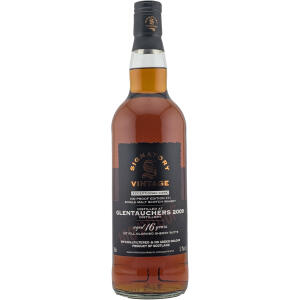
Single Malt Whisky
57.1% • 700ml • Speyside
6 Bottles Remaining
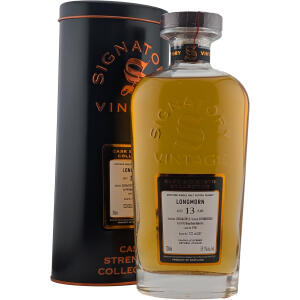
Single Malt Whisky
59.1% • 700ml • Speyside
4 Bottles Remaining

The below is the average score out of 5 from our members, and the flavour profile which was voted to be the most prominent.
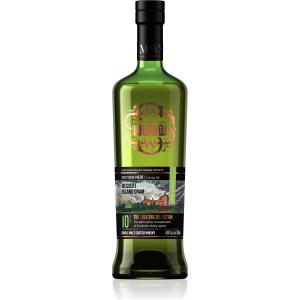
Single Malt Whisky
64.4% • 700ml • Highlands
9 Bottles Remaining
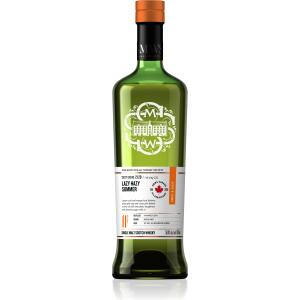
Single Malt Whisky
58.0% • 700ml • Highlands
10+ Bottles Available
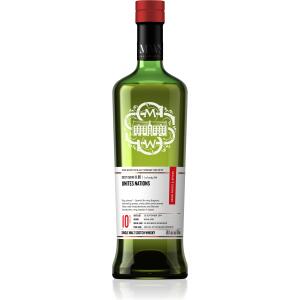
Single Malt Whisky
59.1% • 700ml • Highlands
Only 1 Bottle Left
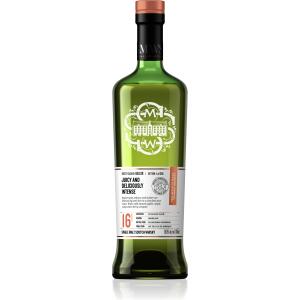
Single Malt Whisky
56.9% • 700ml • Highlands
10+ Bottles Available
Single Malt Whisky
56.4% • 700ml • Highlands
7 Bottles Remaining