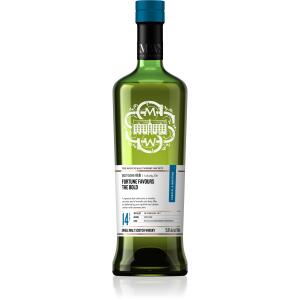
SMWS 18.81
Fortune Favours The Bold
Coastal & Maritime
Single Malt Whisky
55.8% • 700ml • Speyside

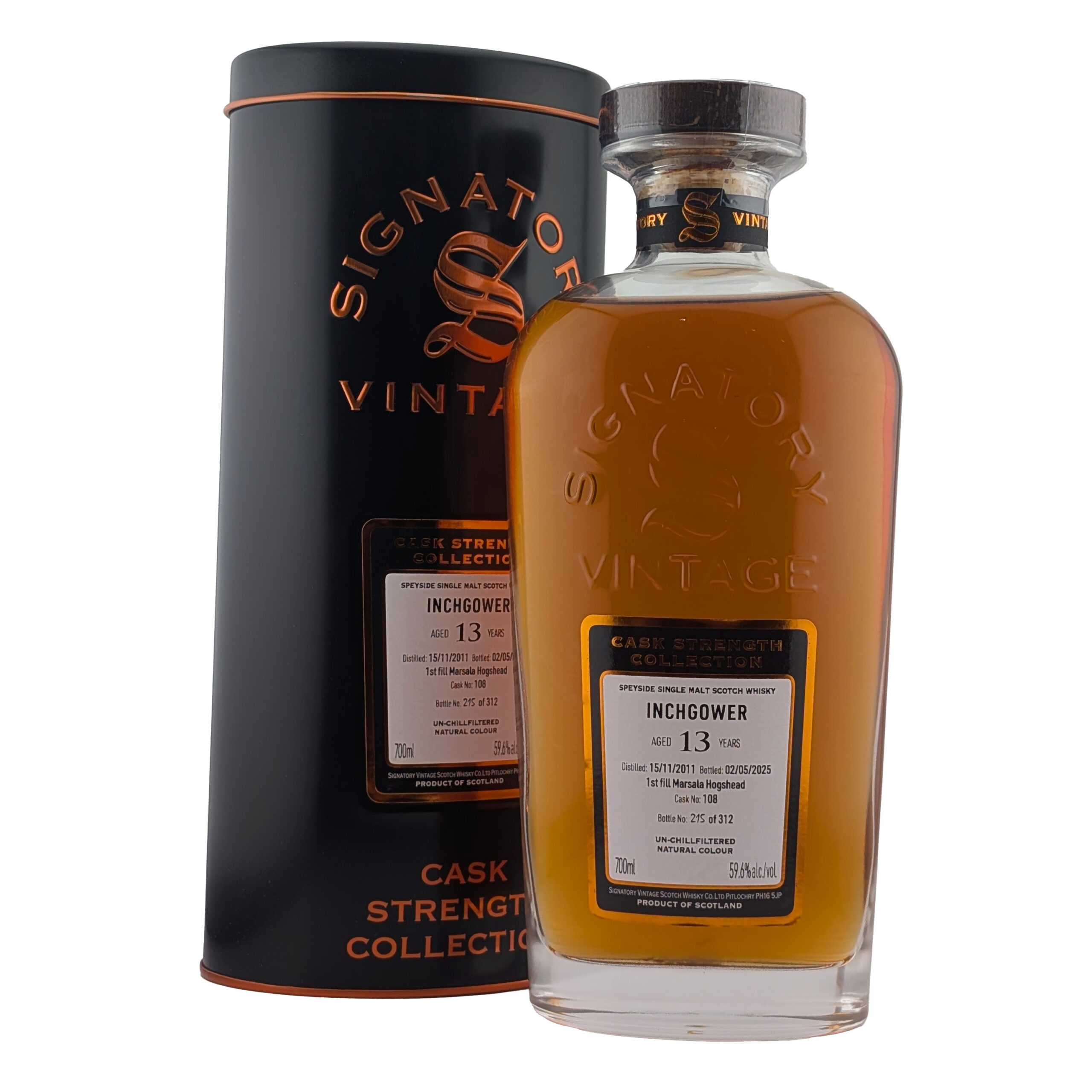


PRODUCERInchgower

BOTTLERIndependent Bottling by Signatory Vintage

AGE13 Years Aged, Distilled 2011

CASK TYPE1st Fill Marsala Hogshead

RELEASEStrath Exclusive In BC Cask Strength Small Batch Release

CHILL-FILTRATIONNo

ADDED COLOURNo

PEAT SMOKEDNo
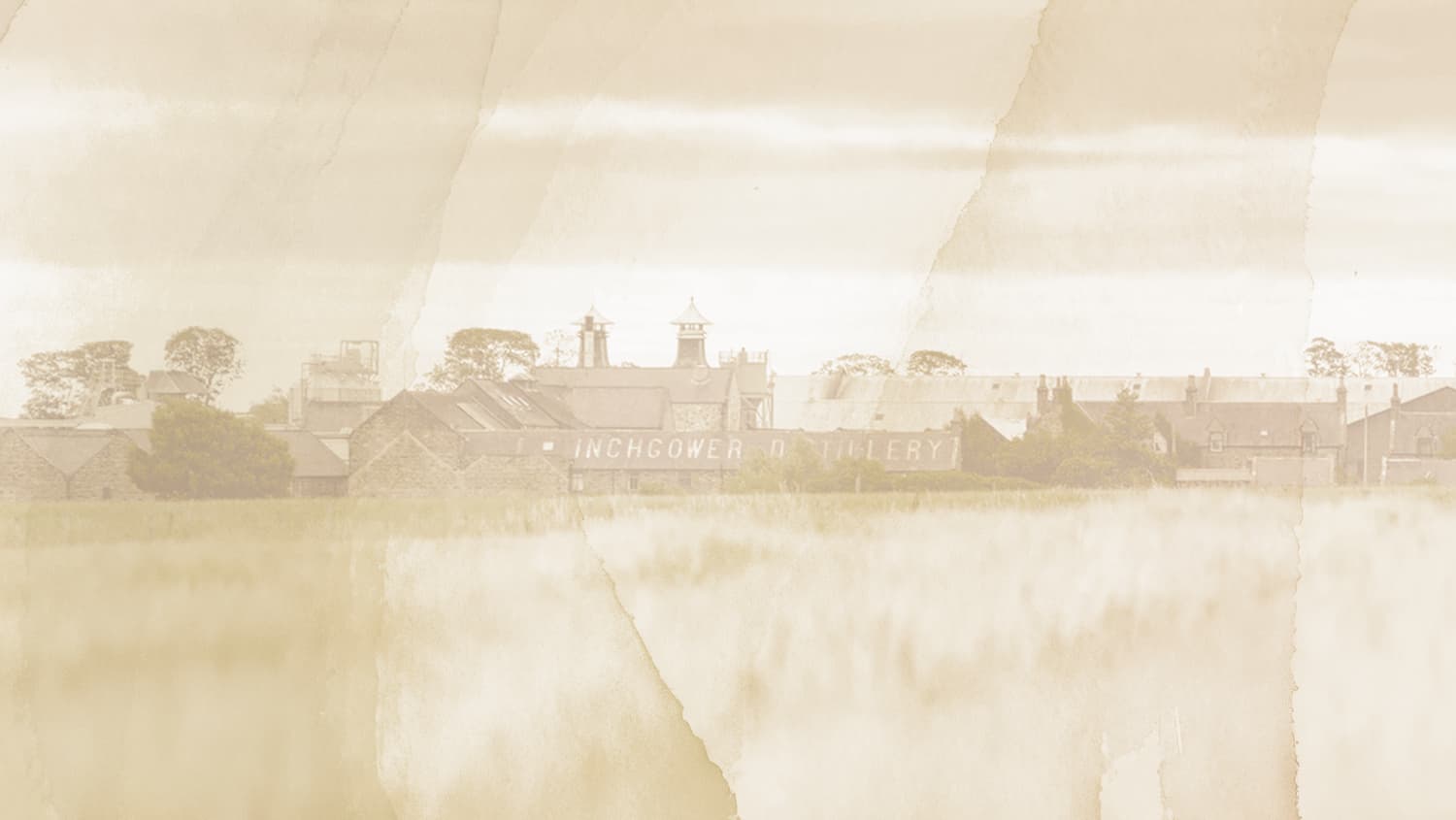
For two years in the 1930s, the burgh of Buckie found itself in the unusual position of owning a whisky distillery. Inchgower had fallen into bankruptcy in 1936, so the local council stepped in and bought it, before selling it two years later to Arthur Bell & Sons for £3,000. One can only imagine the discussions at the council meetings.
The distillery itself dates to 1871, when Alexander Wilson built it on the outskirts of Buckie using equipment salvaged from his closed Tochineal distillery. Its position places it at the very northern edge of Speyside, close enough to the Moray Firth for Inchgower to have acquired a reputation for an almost maritime character. Bell’s proved a more permanent home than the council chamber. The distillery became an important component of the company’s blends, passing through Guinness and United Distillers before becoming part of Diageo.
Inchgower is deliberately made with a bit of heft. A relatively quick mash, using an unusually hot second water, helps suppress some of the nuttier flavours, while short fermentations and steeply descending lyne arms encourage heavier compounds to travel into the spirit. Four stills produce a robust new make with spice, grass, fruit, and a distinctive waxiness that can occasionally suggest its distant Diageo cousin, Clynelish.
Very little has traditionally appeared as official single malt, although a 14-year-old survives in the Flora & Fauna range. Independent bottlers have therefore provided many enthusiasts with their introduction to Inchgower, where its combination of wax, spice, fruit, and occasional salty notes makes it one of Speyside’s more agreeably peculiar residents.
Single Malt Whisky
55.8% • 700ml • Speyside

Single Malt Whisky
60.4% • 700ml • Speyside
Single Malt Whisky
57.4% • 700ml • Speyside

Single Malt Whisky
50% • 700ml • Speyside

Single Malt Whisky
55.5% • 700ml • Speyside
Founded in 1988 by Andrew Symington, Signatory Vintage Scotch Whisky Company emerged during a period when independent bottling was still a relatively understated part of the Scotch whisky landscape. Symington’s approach was clear from the outset: to source individual casks and present them with minimal interference, often at natural cask strength, allowing the character of both distillery and maturation to remain fully intact. It was a philosophy rooted not in consistency, but in variation, and in the belief that each cask had something distinct to say.
Over time, the company built a reputation for both breadth and depth. Its releases have spanned an extraordinary range of distilleries, from well-known names to those long since closed, preserving liquid that might otherwise have disappeared into blends or obscurity. This archival instinct has become one of Signatory’s defining traits, offering drinkers access to styles and profiles that no longer exist in active production. The acquisition of Edradour Distillery in 2002 added a physical anchor to its operations, while leaving its core identity as a bottler unchanged.
What distinguishes Signatory most clearly is its transparency and structure. Bottlings typically carry detailed information, including distillation and bottling dates, cask type, and outturn, presented without embellishment. Much of the range is released without chill filtration or added colouring, reinforcing a sense of fidelity to the cask. Alongside its single cask releases, the introduction of the 100 Proof range has provided a more structured offering, where whiskies are selected and batched to be bottled at a consistent strength of 57.1% ABV. These releases retain the company’s emphasis on clarity and integrity, while offering a slightly more approachable framework for regular availability, balancing individuality with a degree of continuity.
Across series such as the Un-Chillfiltered Collection, Cask Strength releases, and the 100 Proof range, the underlying principle remains consistent: each bottle represents a moment in time, shaped by wood, spirit, and patience, and presented with a minimum of intervention.
Single Malt Whisky
57.1% • 700ml • Speyside
9 Bottles Remaining
Single Malt Whisky
59.1% • 700ml • Speyside
5 Bottles Remaining
Single Malt Whisky
57.1% • 700ml • Islay
10+ Bottles Available

Single Malt Whisky
57.1% • 700ml • Speyside
Only 1 Bottle Left
Single Malt Whisky
57.1% • 700ml • Highlands
10+ Bottles Available
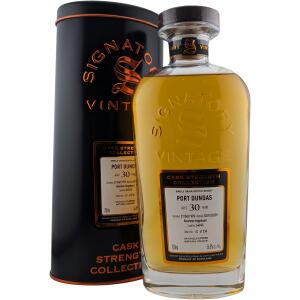
Single Grain Whisky
56.8% • 700ml • Lowlands
8 Bottles Remaining
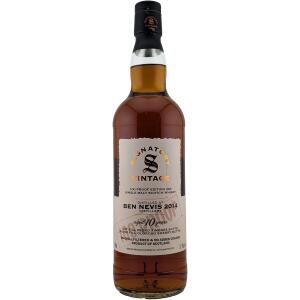
Single Malt Whisky
57.1% • 700ml • Highlands
Only 1 Bottle Left
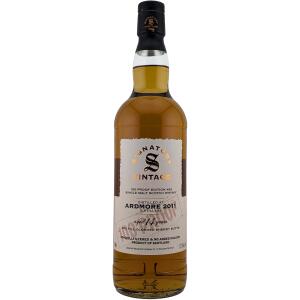
Single Malt Whisky
57.1% • 700ml • Highlands
10+ Bottles Available
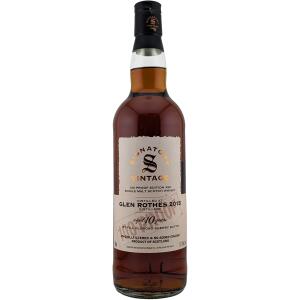
Single Malt Whisky
57.1% • 700ml • Speyside
8 Bottles Remaining
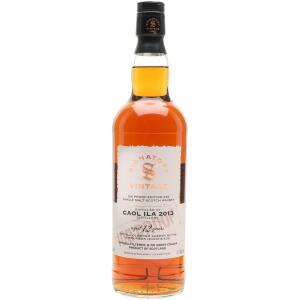
Single Malt Whisky
57.09% • 700ml • Islay
10+ Bottles Available

The below is the average score out of 5 from our members, and the flavour profile which was voted to be the most prominent.
Join 1200+ other members and join our Whisky Folk community. Enjoy in-store samples, special exclusive releases, interactive tasting events, and 5-10% off on all regularly priced whiskies!
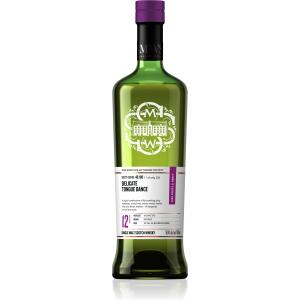
Single Malt Whisky
59.4% • 700ml • Speyside
5 Bottles Remaining
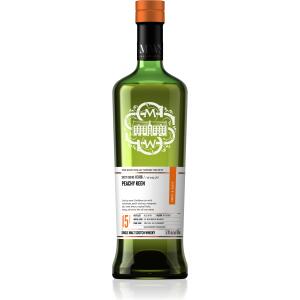
Single Malt Whisky
57.9% • 700ml • Speyside
9 Bottles Remaining
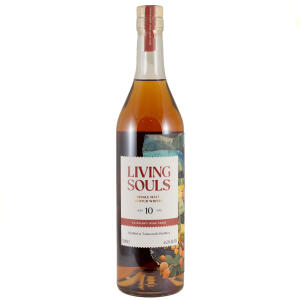
Single Malt Whisky
46% • 700ml • Speyside
4 Bottles Remaining
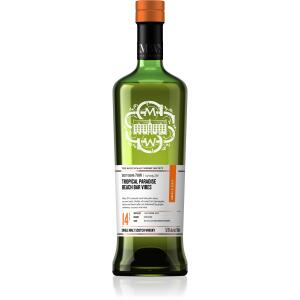
Single Malt Whisky
57% • 700ml • Speyside
2 Bottles Remaining
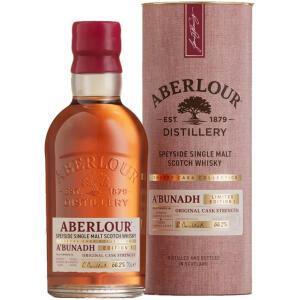
Single Malt Whisky
56.2% • 700ml • Speyside
4 Bottles Remaining