
Laphroaig
Quarter Cask
Single Malt Whisky
48% • 750ml • Islay
9 Bottles Remaining
$111.22
Whisky Folk: $105.66


PRODUCERLaphroaig

BOTTLERIndependent Bottling by Morrison Distillers

AGE9 Years Aged, Distilled 2013

CASK TYPEHogshead

RELEASEStandard Small Batch Release Of 1798 Bottles

CHILL-FILTRATIONNo

ADDED COLOURNo

PEAT SMOKEDYes

Laphroaig’s reputation is so outsized that it can obscure the more interesting truth: beneath the medicinal smoke and maritime swagger lies a distillery shaped as much by stewardship as by peat. Founded in 1815 by Donald and Alexander Johnston on Islay’s south coast, it grew from a farm distillery into one of Scotland’s most distinctive names, helped along by a site whose relationship with sea, bog and weather feels less decorative than elemental. On the Kildalton shore, the Atlantic is not a view so much as a constant presence, and the land around it provides the peat that has long given Laphroaig its unmistakable medicinal, iodine-rich profile.
Its history, however, is not merely one of smoke and stubbornness, but of singular personalities, none more important than Bessie Williamson. Arriving in the 1930s as a temporary secretary, she went on to inherit the distillery in 1954, becoming the first woman to own and manage a Scotch whisky distillery in the twentieth century. More than a historical curiosity, she was instrumental in carrying Laphroaig beyond Islay and into wider international esteem, particularly at a time when single malt whisky had not yet become the category’s dominant romance. To write about Laphroaig without Bessie is rather like discussing a great house while omitting the architect who kept it standing.
Production remains rooted in the old grammar of Islay whisky. Laphroaig still malts a portion of its own barley on site, dries it with peat smoke, and distils in a notably large set of stills that help shape a spirit both oily and surprisingly precise. Maturation has long relied on ex-bourbon casks, though other woods appear in selected releases, and the resulting style is less brute force than studied contradiction: antiseptic and sweet, smoky and coastal, severe at first encounter yet deeply compelling thereafter. It is a whisky that seldom asks to be liked immediately, only understood.
Single Malt Whisky
48% • 750ml • Islay
9 Bottles Remaining

Single Malt Whisky
43% • 750ml • Islay
5 Bottles Remaining

Single Malt Whisky
48% • 750ml • Islay
3 Bottles Remaining

Single Malt Whisky
44.4% • 750ml • Islay
2 Bottles Remaining

Single Malt Whisky
58.2% • 700ml • Islay
Morrison Distillers carries one of those surnames that already feels half embedded in Scotch whisky history. The present company traces its roots through five generations of the Morrison family, whose involvement has stretched from brokering and blending to ownership and bottling, before returning in more recent years to distilling as well. The modern business, rebranded as Morrison Scotch Whisky Distillers in 2020, grew out of Morrison & Mackay and remains family-run, which gives it a sense of continuity rather than mere inheritance.
What makes Morrison interesting is the breadth of its whisky personality. This is not a house built around a single label, but around a portfolio with distinct voices: Càrn Mòr for single casks and limited releases, Mac-Talla for Islay-minded bottlings, Old Perth for sherry-led blended malt, and Bruadar on the liqueur side. There is a merchant’s instinct at work here, an understanding that whisky can be presented in several registers without losing seriousness, provided the selection is sound and the style remains honest. The company’s own materials are quite open about that balancing act, describing a business shaped by both tradition and innovation.
That philosophy now has a physical home in Perthshire. Morrison moved into new premises at Aberargie in 2017, adding blending and bottling facilities on family-owned land, while the wider Morrison venture also established Aberargie Distillery nearby. In practical terms, that gives the company an unusual dual identity: still very much an independent bottler, yet increasingly anchored by its own distilling base. The result is a firm that feels neither old-fashioned nor fashionably modern, but properly rooted, a family whisky business still finding fresh ways to speak in its own voice.

Single Malt Whisky
47.5% • 700ml • Highlands

Single Malt Whisky
54.6% • 700ml • Islay
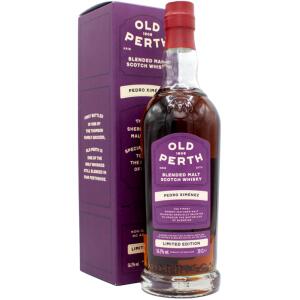
Blended Malt Whisky
56.2% • 700ml • Speyside

Single Malt Whisky
47.5% • 700ml • Highlands

Blended Malt Whisky
46% • 700ml • Scotland

Single Malt Whisky
47.5% • 750ml • Lowlands
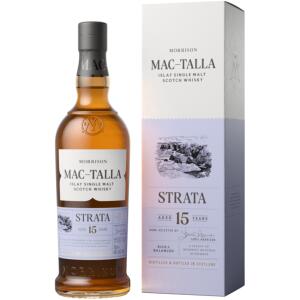
Single Malt Whisky
46% • 700ml • Islay

Blended Malt Whisky
46% • 700ml • Scotland
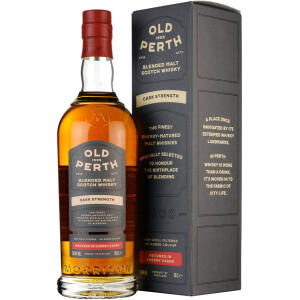
Blended Malt Whisky
58.6% • 700ml • Scotland
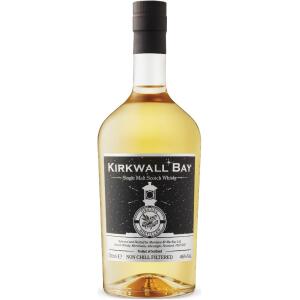
Single Malt Whisky
46% • 700ml • Islands

The below is the average score out of 5 from our members, and the flavour profile which was voted to be the most prominent.
Join 1200+ other members and join our Whisky Folk community. Enjoy in-store samples, special exclusive releases, interactive tasting events, and 5-10% off on all regularly priced whiskies!
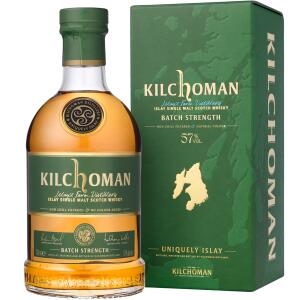
Single Malt Whisky
57% • 700ml • Islay
2 Bottles Remaining
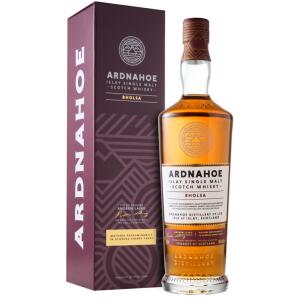
Single Malt Whisky
50% • 750ml • Islay
10+ Bottles Available
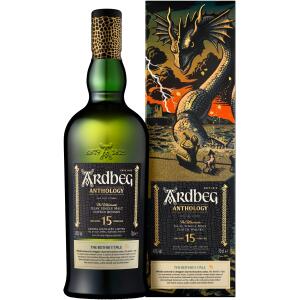
Single Malt Whisky
46% • 750ml • Islay
10+ Bottles Available
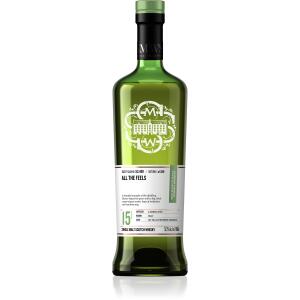
Single Malt Whisky
57.2% • 700ml • Islay
Only 1 Bottle Left
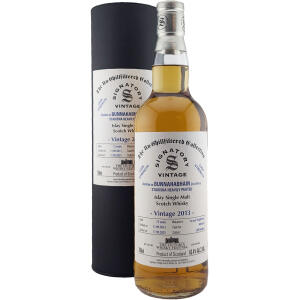


Single Malt Whisky
63.4% • 700ml • Islay
10+ Bottles Available