
Teaninich
Duncan Taylor Dimensions 2009
Single Malt Whisky
53.9% • 700ml • Highlands
2 Bottles Remaining
$169.48
Whisky Folk: $161.00

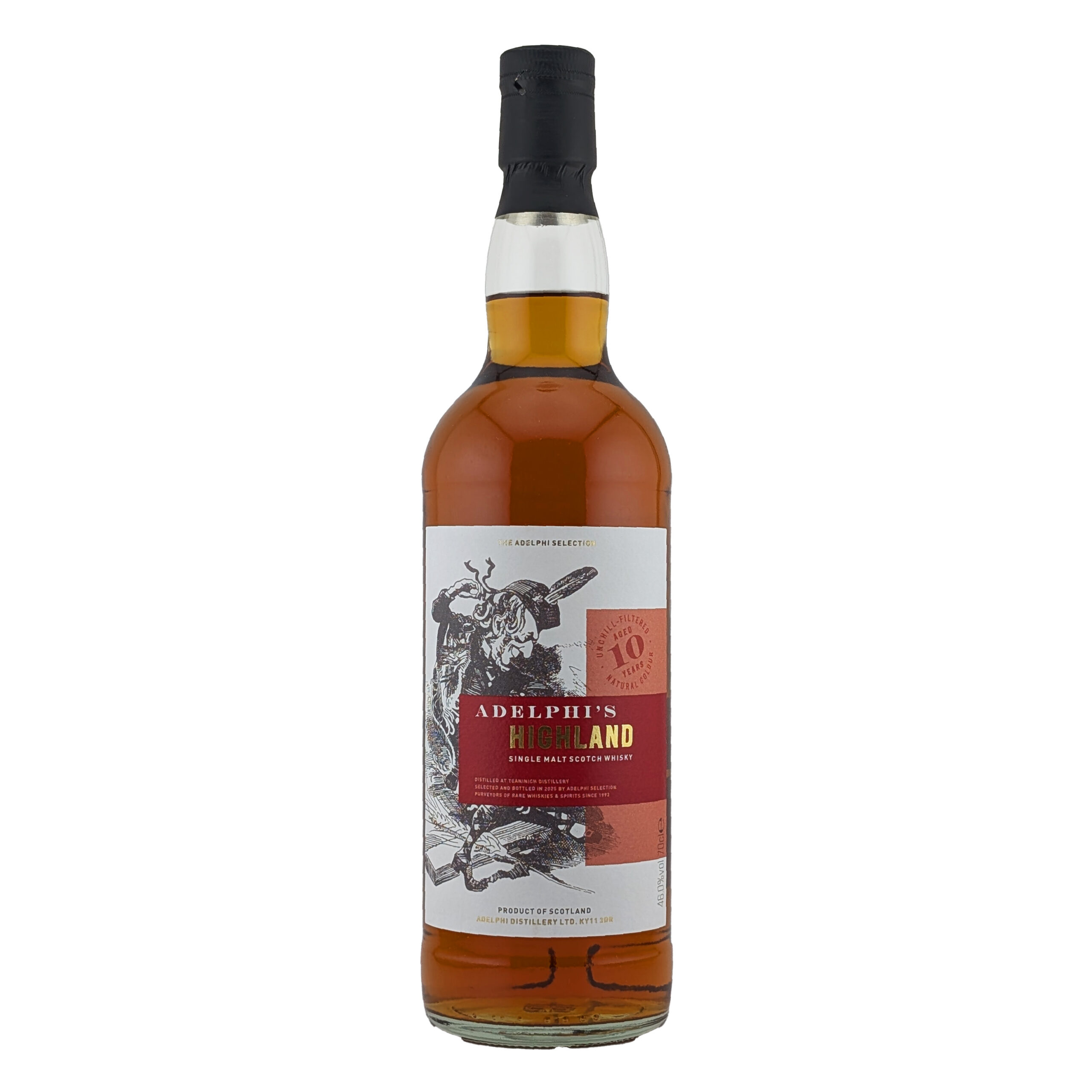

PRODUCERTeaninich

BOTTLERIndependent Bottling by Adelphi

AGE10 Years Aged

CASK TYPEEx-Bourbon & Ex-Sherry

RELEASEStandard Small Batch Release Of 1250 Bottles

CHILL-FILTRATIONNo

ADDED COLOURNo

PEAT SMOKEDNo

Hugh Munro, laird of Teaninich and later famed as the Blind Captain after an unfortunate musket shot in the Nepoleonic war, turned adversity into enterprise on the banks of the River Alness. He straightened watercourses, set out a village plan, and offered fairer leases to the people who worked his land. In 1817 he added a legal outlet for their barley, a distillery by the estate that would take the name Teaninich. The place sits in that lucid light of Easter Ross, where sea air travels up the firth and the farmland rises in quiet folds toward heather and hill. It feels practical rather than picturesque, a working landscape with the still house as its metronome.
Teaninich’s character is made in the details. The mash house employs a plate-and-frame mash filter, yielding particularly clear worts that ferment cleanly. The resulting spirit comes off the stills with a bright, grassy lift, often evoking green tea, crisp apple and lemon peel, yet there is pleasing waxy weight on the palate. That combination of freshness and gentle oiliness gives blenders a reliable backbone. When a recipe seeks the wax-and-citrus register more commonly associated with Clynelish, Teaninich can be utilized as a similar alternative.
Time in refill and bourbon casks tends to keep the orchard fruit and meadow notes at the fore, while longer aging teases out almond, oatmeal and a subtle wax glow. Teaninich may not court attention, yet its quiet engineering of flavour has underpinned many a beloved blend, and rewards patient drinkers with clarity, texture and a very Highland poise.
Single Malt Whisky
53.9% • 700ml • Highlands
2 Bottles Remaining
Single Malt Whisky
55.0% • 700ml • Highlands
Only 1 Bottle Left
Single Malt Whisky
56.4% • 700ml • Highlands
Single Malt Whisky
52.4% • 700ml • Highlands

Single Malt Whisky
47.5% • 700ml • Highlands
Adelphi has always had an air of old-world confidence about it, which is fitting enough given that the name itself reaches back to a lost Glasgow distillery of the nineteenth century. The modern company, however, began in 1993, when Jamie Walker revived Adelphi as an independent bottler, later passing into new ownership in 2004. What emerged from that revival was not a museum piece trading on Victorian dust, but a bottler with a sharp eye for cask selection and a rather exacting sense of style.
From the outset, Adelphi built its reputation on scarcity and discernment rather than breadth for its own sake. Its bottlings are typically selected as single casks or small batch releases, with an emphasis on texture, structure, and character over sheer familiarity. There is often a pleasing severity to the presentation: clear age statements where available, proper strength, and a general reluctance to smooth away a whisky’s edges for the sake of easy charm. In that sense, Adelphi has long appealed to drinkers who enjoy a whisky that still feels like a particular cask, rather than a carefully ironed brand profile.
The company’s later move into distilling through Ardnamurchan does not diminish its standing as a bottler, but rather gives it an interesting dual identity. Adelphi remains associated with thoughtful, limited releases from across Scotland, while its own distillery reflects the same values of transparency and precision that shaped the bottling arm in the first place. That continuity of philosophy is perhaps what makes Adelphi so compelling. It is not merely selecting whisky to sell, but selecting according to a house view of what whisky ought to be: characterful, honest, and never overworked.
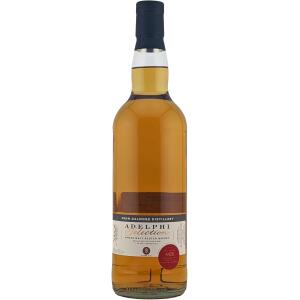
Single Malt Whisky
59.1% • 700ml • Highlands
2 Bottles Remaining
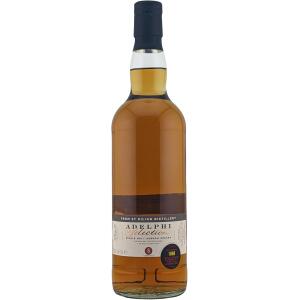
Single Malt Whisky
58.0% • 700ml • Germany
3 Bottles Remaining
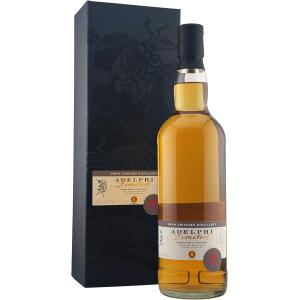
Single Malt Whisky
56.1% • 700ml • Japan
3 Bottles Remaining
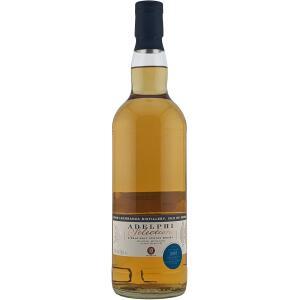
Single Malt Whisky
57.1% • 700ml • Islands
4 Bottles Remaining
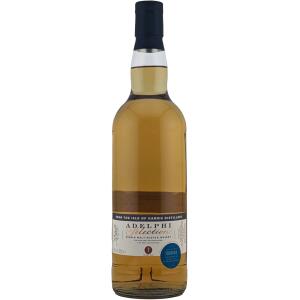
Single Malt Whisky
57.9% • 700ml • Islands
3 Bottles Remaining
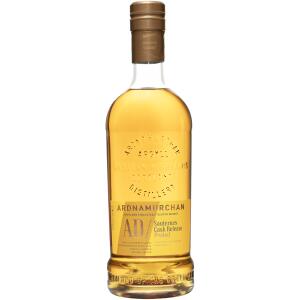
Single Malt Whisky
49.99% • 700ml • Highlands
4 Bottles Remaining
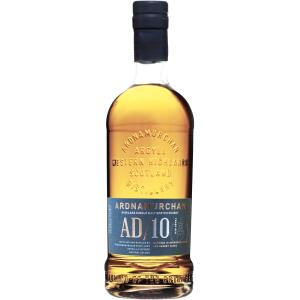
Single Malt Whisky
46.8% • 700ml • Highlands
6 Bottles Remaining
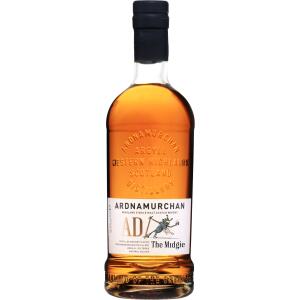
Single Malt Whisky
46% • 700ml • Highlands
4 Bottles Remaining
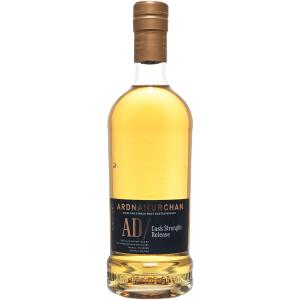
Single Malt Whisky
57.7% • 700ml • Highlands
5 Bottles Remaining
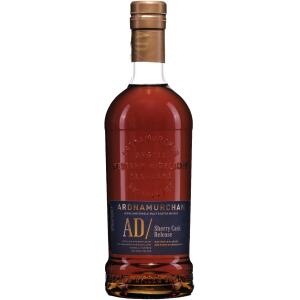
Single Malt Whisky
50% • 700ml • Highlands
Only 1 Bottle Left

The below is the average score out of 5 from our members, and the flavour profile which was voted to be the most prominent.
Join 1200+ other members and join our Whisky Folk community. Enjoy in-store samples, special exclusive releases, interactive tasting events, and 5-10% off on all regularly priced whiskies!
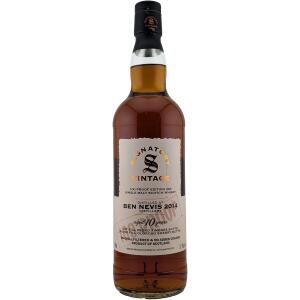
Single Malt Whisky
57.1% • 700ml • Highlands
2 Bottles Remaining
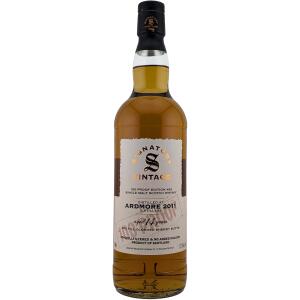
Single Malt Whisky
57.1% • 700ml • Highlands
10+ Bottles Available
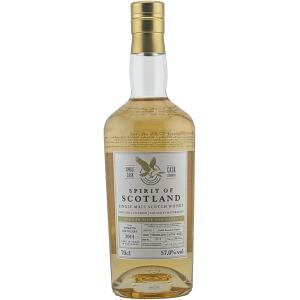
Single Malt Whisky
57.0% • 700ml • Highlands
10+ Bottles Available
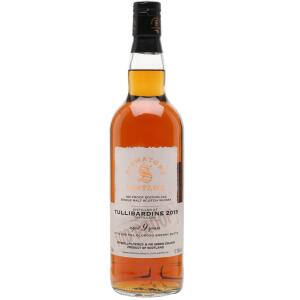
Single Malt Whisky
57.1% • 700ml • Highlands
10+ Bottles Available
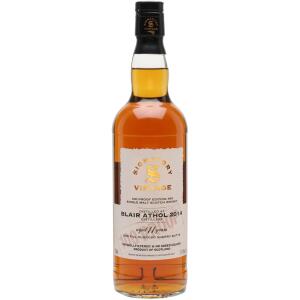
Single Malt Whisky
57.1% • 700ml • Highlands
7 Bottles Remaining