

Lochranza
Living Souls 9 Year
Smoky & Earthy4.2 ★
Single Malt Whisky
55% • 700ml • Islands
3 Bottles Remaining
$172.09
Whisky Folk: $154.88
Featured • Save 10%
Featured • Save 10%

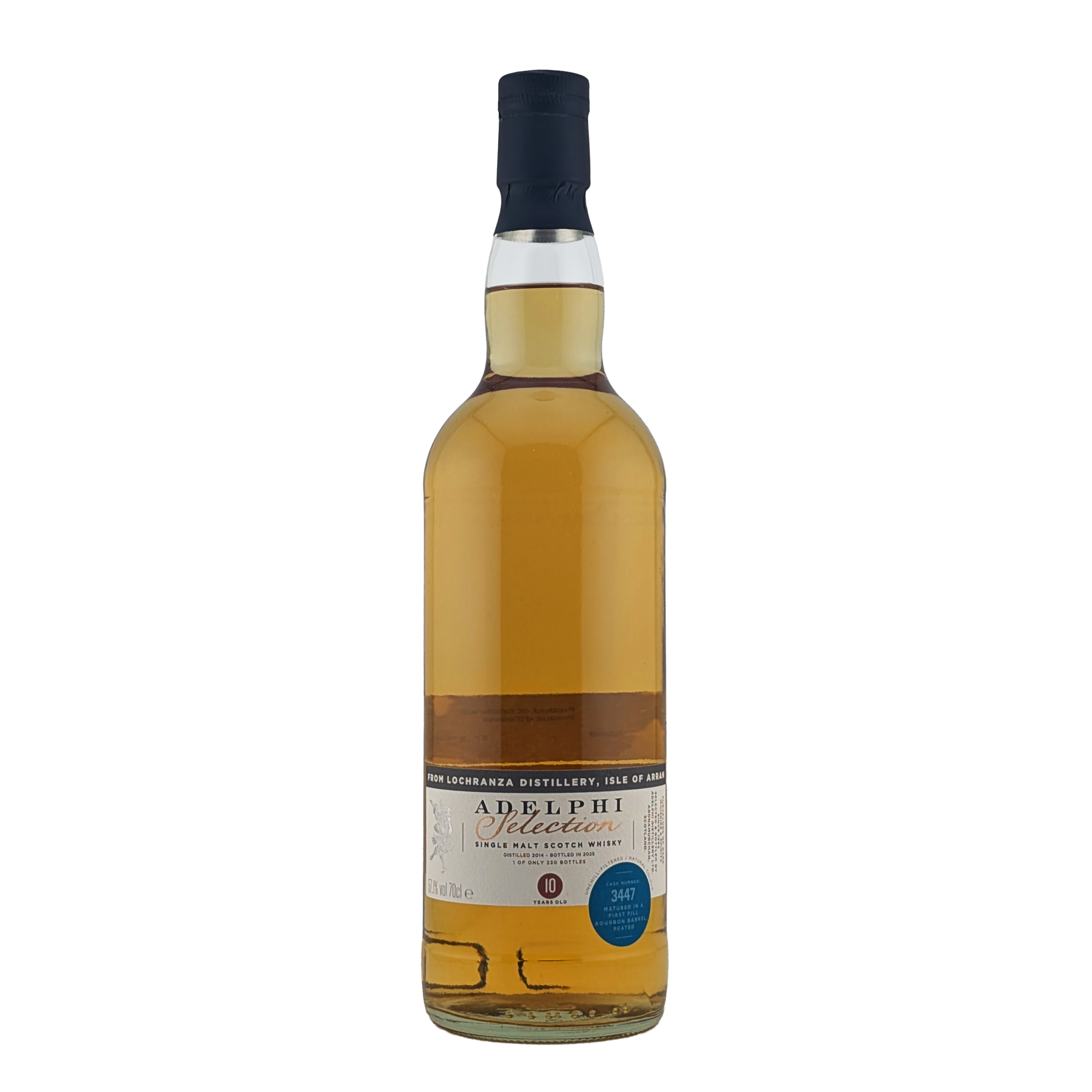

PRODUCERLochranza

BOTTLERIndependent Bottling by Adelphi

AGE10 Years Aged, Distilled 2014

CASK TYPEFirst Fill Ex-Bourbon Barrel

RELEASEStrath Exclusive In BC Cask Strength Single Cask Release Of 230 Bottles

CHILL-FILTRATIONNo

ADDED COLOURNo

PEAT SMOKEDYes
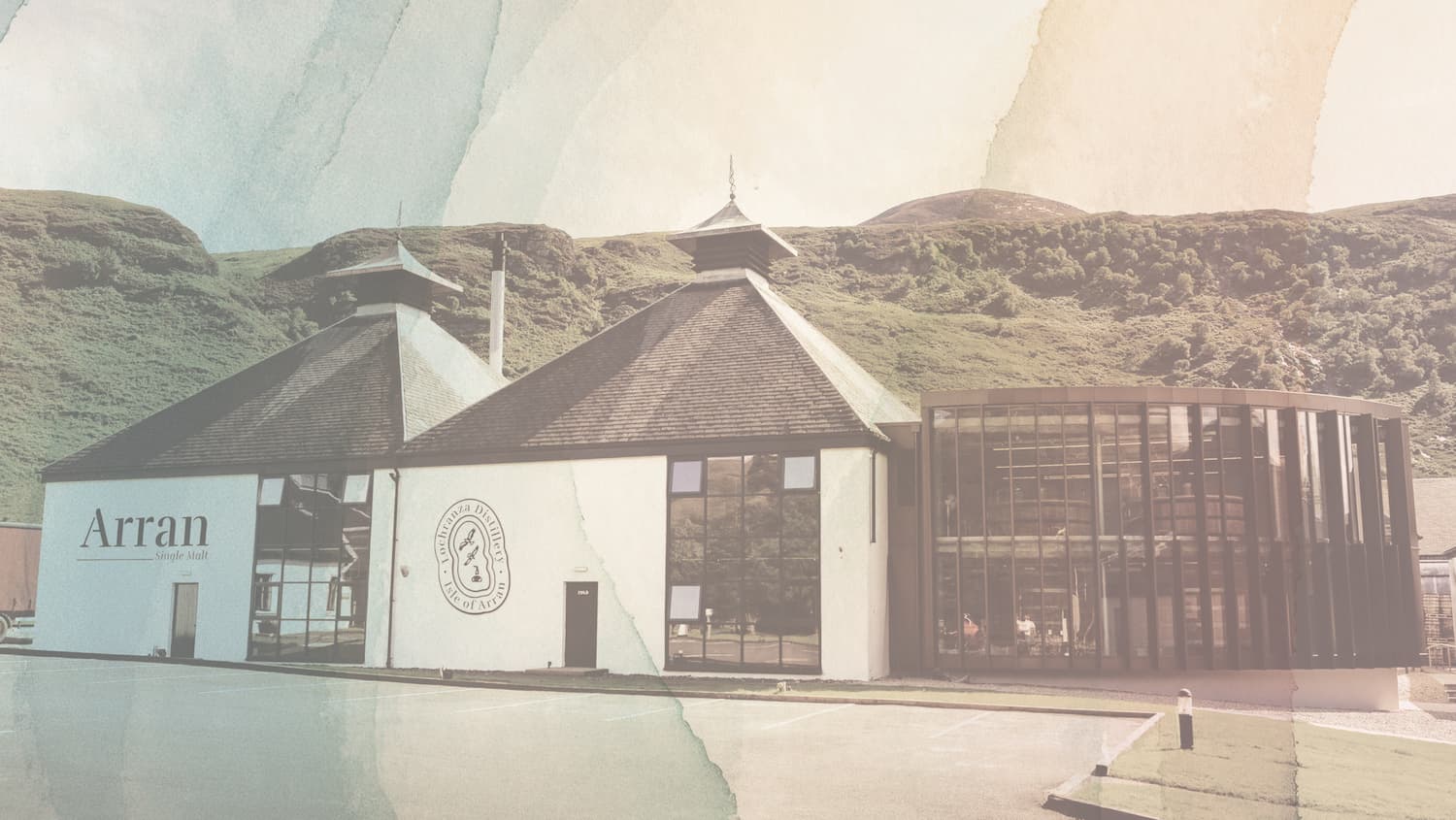
Lochranza is one of those pleasingly improbable modern distilleries that feels, in spirit at least, rather older than it is. When production began in 1995, it restored legal whisky-making to Arran after a silence of roughly a century and a half, a feat driven largely by Harold Currie, formerly of Chivas Brothers, and funded in part through an admirably eccentric Founder’s Bond scheme. Even the construction had a touch of Highland theatre about it, being briefly interrupted by nesting golden eagles, which rather set the tone for a distillery whose fortunes have always seemed tied to the island’s landscape and temperament.
Its setting in the north of Arran does much to explain the whisky’s character. Lochranza itself sits in a sheltered pocket of the island, framed by hills and close to the sea, with water drawn from Loch na Davie. Arran is often lazily called “Scotland in miniature”, but here the phrase feels earned: crag, coast, greenery, weather, all compressed into a place small enough to make the distillery seem part of the scenery rather than imposed upon it. The whisky that emerged from this setting became known simply as Arran, and over time Lochranza developed a reputation for a style that is bright, fruity, and elegant, often showing orchard fruit, malt sweetness, and a softly waxy texture rather than brute force.
Production has generally favoured clarity over heaviness. The distillery runs two wash stills and two spirit stills, and much of the maturation has leaned on ex-bourbon casks, with sherry wood used to add breadth where required. Peated whisky did appear later through Machrie Moor, though this was more a variation on the house’s capabilities than a rejection of its core style. Since the opening of Lagg in the south, Lochranza has been more clearly defined as Arran’s unpeated, classically fruity northern voice, which suits it very well indeed.
Single Malt Whisky
55% • 700ml • Islands
3 Bottles Remaining
Single Malt Whisky
62.2% • 700ml • Islands

Single Malt Whisky
62.8% • 700ml • Islands
Single Malt Whisky
46% • 700ml • Islands
Adelphi has always had an air of old-world confidence about it, which is fitting enough given that the name itself reaches back to a lost Glasgow distillery of the nineteenth century. The modern company, however, began in 1993, when Jamie Walker revived Adelphi as an independent bottler, later passing into new ownership in 2004. What emerged from that revival was not a museum piece trading on Victorian dust, but a bottler with a sharp eye for cask selection and a rather exacting sense of style.
From the outset, Adelphi built its reputation on scarcity and discernment rather than breadth for its own sake. Its bottlings are typically selected as single casks or small batch releases, with an emphasis on texture, structure, and character over sheer familiarity. There is often a pleasing severity to the presentation: clear age statements where available, proper strength, and a general reluctance to smooth away a whisky’s edges for the sake of easy charm. In that sense, Adelphi has long appealed to drinkers who enjoy a whisky that still feels like a particular cask, rather than a carefully ironed brand profile.
The company’s later move into distilling through Ardnamurchan does not diminish its standing as a bottler, but rather gives it an interesting dual identity. Adelphi remains associated with thoughtful, limited releases from across Scotland, while its own distillery reflects the same values of transparency and precision that shaped the bottling arm in the first place. That continuity of philosophy is perhaps what makes Adelphi so compelling. It is not merely selecting whisky to sell, but selecting according to a house view of what whisky ought to be: characterful, honest, and never overworked.
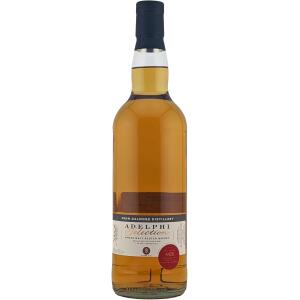
Single Malt Whisky
59.1% • 700ml • Highlands
3 Bottles Remaining
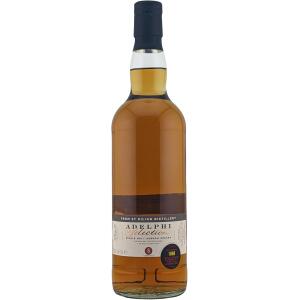
Single Malt Whisky
58.0% • 700ml • Germany
3 Bottles Remaining
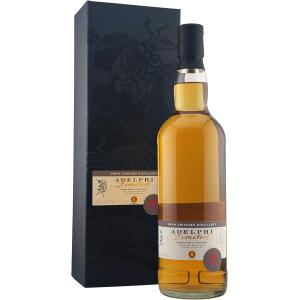
Single Malt Whisky
56.1% • 700ml • Japan
3 Bottles Remaining
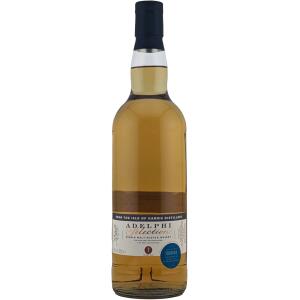
Single Malt Whisky
57.9% • 700ml • Islands
3 Bottles Remaining
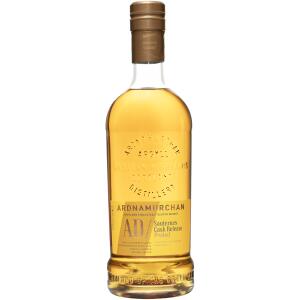
Single Malt Whisky
49.99% • 700ml • Highlands
5 Bottles Remaining
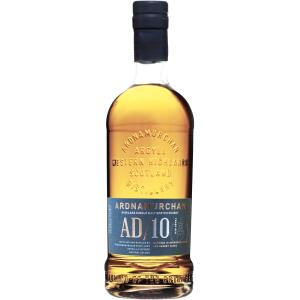
Single Malt Whisky
46.8% • 700ml • Highlands
8 Bottles Remaining
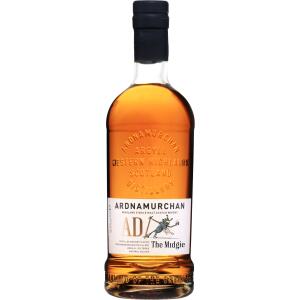
Single Malt Whisky
46% • 700ml • Highlands
5 Bottles Remaining
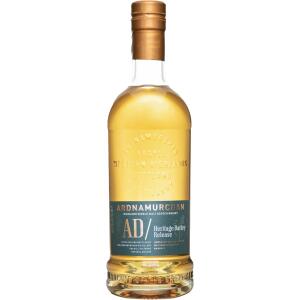
Single Malt Whisky
59.19% • 700ml • Highlands
Only 1 Bottle Left
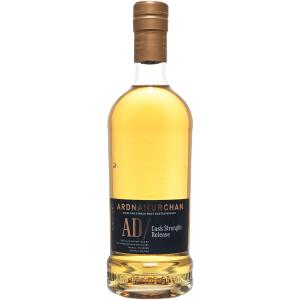
Single Malt Whisky
57.7% • 700ml • Highlands
6 Bottles Remaining
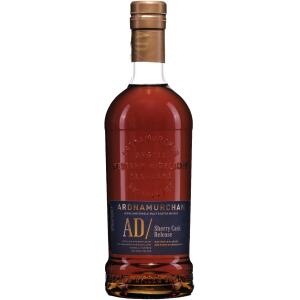
Single Malt Whisky
50% • 700ml • Highlands
2 Bottles Remaining

The below is the average score out of 5 from our members, and the flavour profile which was voted to be the most prominent.
Join 1200+ other members and join our Whisky Folk community. Enjoy in-store samples, special exclusive releases, interactive tasting events, and 5-10% off on all regularly priced whiskies!
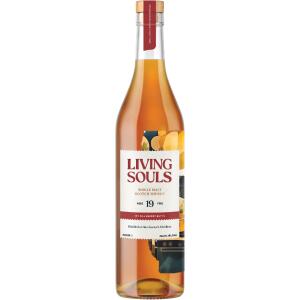
Single Malt Whisky
48% • 700ml • Islands
5 Bottles Remaining
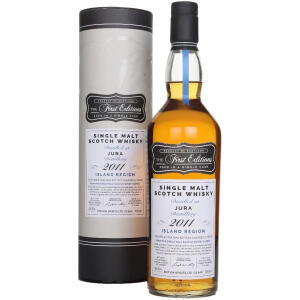
Single Malt Whisky
53.5% • 700ml • Islands
4 Bottles Remaining
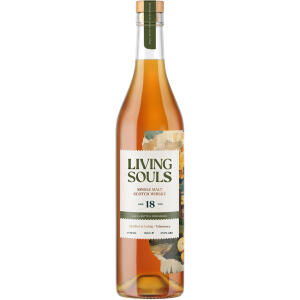
Single Malt Whisky
41% • 700ml • Islands
4 Bottles Remaining

Single Malt Whisky
46.3% • 700ml • Islands
3 Bottles Remaining

Single Malt Whisky
46.3% • 700ml • Islands
4 Bottles Remaining