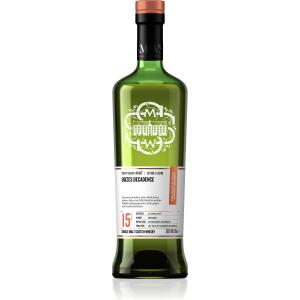
SMWS 41.167
Oozes Decadence
Deep, Rich & Dried Fruits
Single Malt Whisky
56% • 700ml • Speyside
3 Bottles Remaining
$224.26
Whisky Folk: $213.05

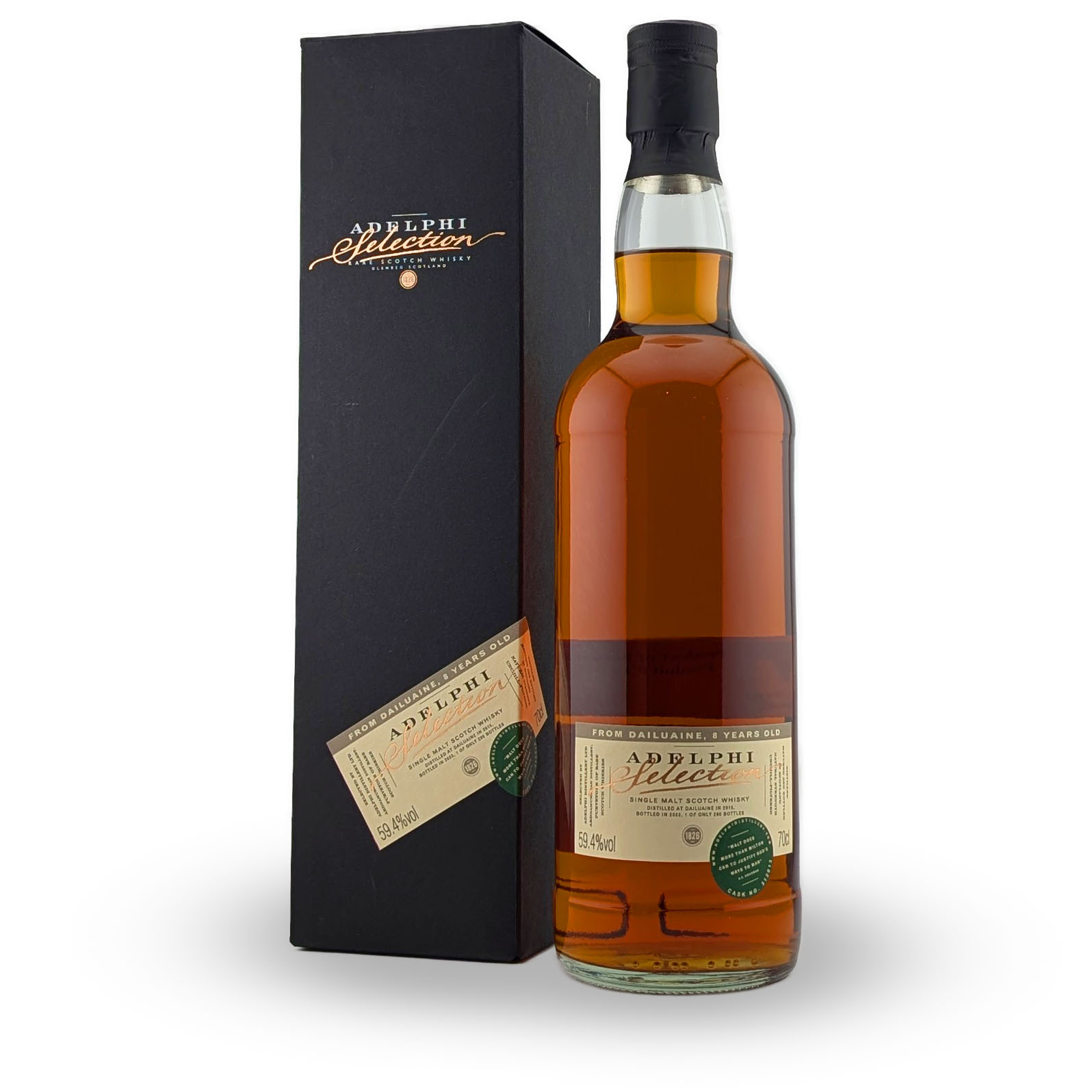

PRODUCERDailuaine

BOTTLERIndependent Bottling by Adelphi

AGE8 Years Aged, Distilled 2015

CASK TYPEUnknown

RELEASEStrath Exclusive In BC Cask Strength Single Cask Release Of 290 Bottles

CHILL-FILTRATIONNo

ADDED COLOURNo

PEAT SMOKEDNo

The green hollow below Ben Rinnes has the look of work rather than theatre, a tidy confluence of barns, kilns and still house where the railway once slipped by and the Dailuaine Burn hurries to the Spey. It suits a distillery whose charms are practical and palpable. The air can smell of malt and warm mash, and in certain weathers there is a faint savoury note that hints at what awaits in the glass.
Founded in 1852 by William Mackenzie, Dailuaine grew into a Victorian powerhouse, at one point the largest malt distillery in Speyside. It was here, in 1899, that Charles Doig’s now-iconic ventilator first crowned a kiln, a clever cupola that drew off peat reek efficiently and went on to define the skyline of Scotland’s distilleries. Fire bit hard during the Great War and forced a rebuild, yet Dailuaine resumed its steady service to blenders and has remained a quiet cornerstone of the Diageo estate ever since.
Depth is engineered in the spirit room. Fermentations run long, the stills are driven briskly, and the condensers use stainless steel rather than copper. That last detail matters: less copper contact means fewer sulphur compounds are scrubbed away, so the new make retains a pleasingly meaty, malty weight. Time in sherry and bourbon casks rounds the edges, bringing baked apple, barley loaf and a low glow of cocoa, while a gentle savouriness runs through the middle.
Single Malt Whisky
56% • 700ml • Speyside
3 Bottles Remaining
Single Malt Whisky
56% • 700ml • Speyside
2 Bottles Remaining

Single Malt Whisky
58.3% • 700ml • Speyside

Single Malt Whisky
46% • 700ml • Speyside

Single Malt Whisky
57.9% • 700ml • Speyside
Adelphi has always had an air of old-world confidence about it, which is fitting enough given that the name itself reaches back to a lost Glasgow distillery of the nineteenth century. The modern company, however, began in 1993, when Jamie Walker revived Adelphi as an independent bottler, later passing into new ownership in 2004. What emerged from that revival was not a museum piece trading on Victorian dust, but a bottler with a sharp eye for cask selection and a rather exacting sense of style.
From the outset, Adelphi built its reputation on scarcity and discernment rather than breadth for its own sake. Its bottlings are typically selected as single casks or small batch releases, with an emphasis on texture, structure, and character over sheer familiarity. There is often a pleasing severity to the presentation: clear age statements where available, proper strength, and a general reluctance to smooth away a whisky’s edges for the sake of easy charm. In that sense, Adelphi has long appealed to drinkers who enjoy a whisky that still feels like a particular cask, rather than a carefully ironed brand profile.
The company’s later move into distilling through Ardnamurchan does not diminish its standing as a bottler, but rather gives it an interesting dual identity. Adelphi remains associated with thoughtful, limited releases from across Scotland, while its own distillery reflects the same values of transparency and precision that shaped the bottling arm in the first place. That continuity of philosophy is perhaps what makes Adelphi so compelling. It is not merely selecting whisky to sell, but selecting according to a house view of what whisky ought to be: characterful, honest, and never overworked.
Single Malt Whisky
59.1% • 700ml • Highlands
2 Bottles Remaining
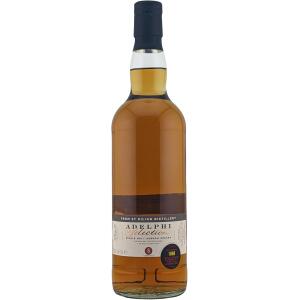
Single Malt Whisky
58.0% • 700ml • Germany
3 Bottles Remaining
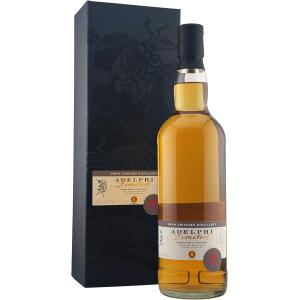
Single Malt Whisky
56.1% • 700ml • Japan
3 Bottles Remaining
Single Malt Whisky
57.1% • 700ml • Islands
4 Bottles Remaining
Single Malt Whisky
57.9% • 700ml • Islands
3 Bottles Remaining
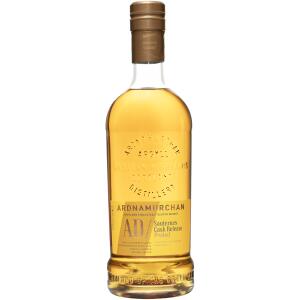
Single Malt Whisky
49.99% • 700ml • Highlands
4 Bottles Remaining
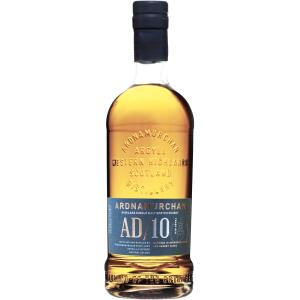
Single Malt Whisky
46.8% • 700ml • Highlands
6 Bottles Remaining
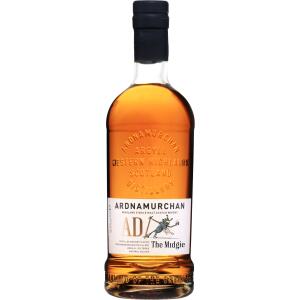
Single Malt Whisky
46% • 700ml • Highlands
4 Bottles Remaining
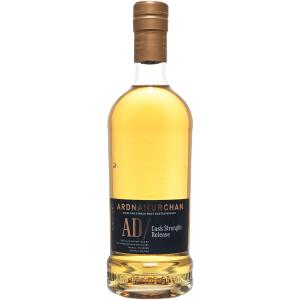
Single Malt Whisky
57.7% • 700ml • Highlands
5 Bottles Remaining
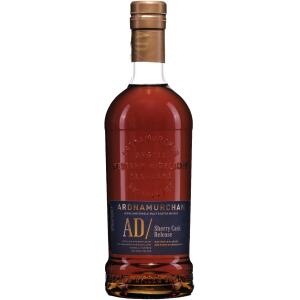
Single Malt Whisky
50% • 700ml • Highlands
Only 1 Bottle Left

The below is the average score out of 5 from our members, and the flavour profile which was voted to be the most prominent.
Join 1200+ other members and join our Whisky Folk community. Enjoy in-store samples, special exclusive releases, interactive tasting events, and 5-10% off on all regularly priced whiskies!
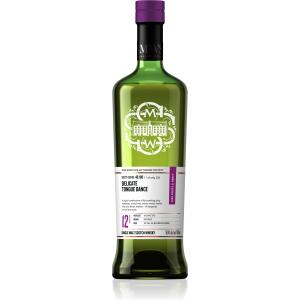
Single Malt Whisky
59.4% • 700ml • Speyside
5 Bottles Remaining
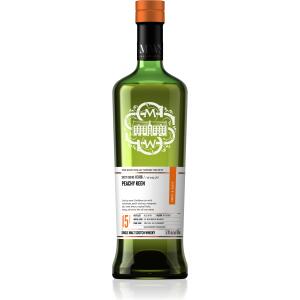
Single Malt Whisky
57.9% • 700ml • Speyside
9 Bottles Remaining
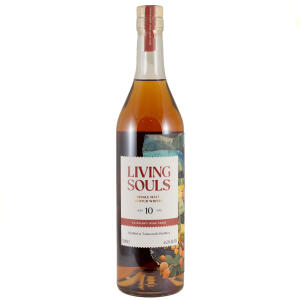
Single Malt Whisky
46% • 700ml • Speyside
4 Bottles Remaining
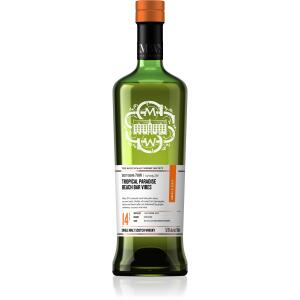
Single Malt Whisky
57% • 700ml • Speyside
2 Bottles Remaining
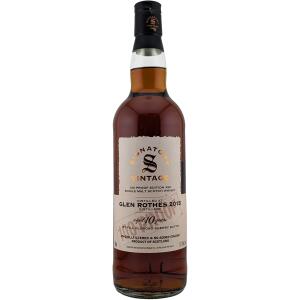
Single Malt Whisky
57.1% • 700ml • Speyside
8 Bottles Remaining