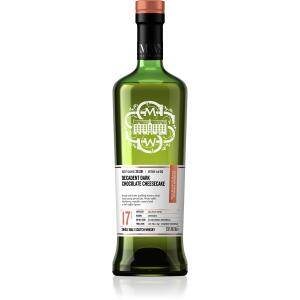
SMWS 39.281
Decadent Dark Chocolate Cheesecake
Deep, Rich & Dried Fruits
Single Malt Whisky
57.6% • 700ml • Speyside
4 Bottles Remaining


PRODUCERLinkwood

BOTTLERIndependent Bottling by Gordon & MacPhail

AGE25 Years Aged

CASK TYPEFirst & Second Fill Ex-Sherry

RELEASEStandard Small Batch Release

CHILL-FILTRATIONNo

ADDED COLOURNo

PEAT SMOKEDNo

On the southern edge of Elgin, just beyond the River Lossie, Linkwood Distillery rests quietly among trees and meadows. There is nothing ostentatious about the site. The buildings are low and functional, surrounded by a kind of calm that seems to extend into the whisky itself. Linkwood has always been a spirit of restraint and refinement, one that rewards attention but never demands it.
Founded in 1821 by Peter Brown, the distillery was one of the earliest in the region to combine technical ambition with thoughtful design. A dam and waterwheel powered the works, and the distillery remained in family hands until the late nineteenth century, when it expanded under the management of Brown’s son. By the mid-twentieth century, Linkwood had become a favourite of blenders, prized for its structure and clarity. One of its most memorable custodians, Roderick Mackenzie, insisted that not even cobwebs be cleared from the rafters, lest the character of the whisky be altered. The site today is split between the original stillhouse and a more modern extension, both overseen under Diageo’s stewardship.
The spirit is elegant, softly textured, and floral. Long fermentation and gently shaped stills yield a whisky with orchard fruit, vanilla cream, light malt, and subtle green herbs. Most of the output is matured in American oak, often refill, although occasional sherry finishes add a richer accent. While most of the distillery’s production still goes into blends, independent bottlers continue to reveal its quieter charms. Linkwood is not one for theatrics, but its grace lingers long after the glass is empty.
Single Malt Whisky
57.6% • 700ml • Speyside
4 Bottles Remaining

Single Malt Whisky
42.4% • 700ml • Speyside
4 Bottles Remaining
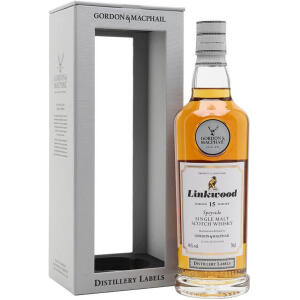
Single Malt Whisky
46% • 700ml • Speyside
3 Bottles Remaining
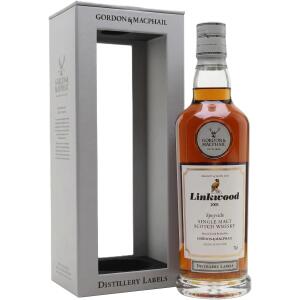
Single Malt Whisky
51.9% • 700ml • Speyside
Only 1 Bottle Left
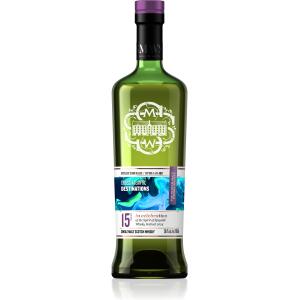
Single Malt Whisky
58.4% • 700ml • Speyside
Only 1 Bottle Left
Founded in Elgin in 1895 by James Gordon and John Alexander MacPhail, Gordon & MacPhail began life not as a grand whisky house, but as a grocery and wine merchant, which feels somehow fitting. The company’s greatness lies partly in that old merchant sensibility: an eye for quality, a respect for provenance, and an understanding that time is often the most important ingredient in the room. Within a year, John Urquhart had joined the firm, and under his influence the business moved steadily into whisky broking, cask ownership, and bottling, establishing a model that would become one of the most revered in the independent bottling world.
What set Gordon & MacPhail apart was not merely access to casks, but the manner in which it used them. For decades, the company sent its own casks to distilleries across Scotland to be filled with new make spirit, then matured those casks either at the distillery or in its warehouses in Elgin. That gave it an unusual degree of influence over maturation, and helped create a vast archive of whisky from distilleries both famous and obscure, active and closed. In this sense, Gordon & MacPhail became not just a bottler, but a custodian of Scotland’s liquid history.
Its bottlings are typically marked by clarity and restraint: detailed age statements, cask information, and an emphasis on allowing distillery character to remain legible through long maturation. The company is also known for extraordinarily old releases, where patience is treated not as a marketing flourish, but as a house discipline. In recent years, Gordon & MacPhail has shifted its long-term focus toward its own distilleries, Benromach and The Cairn, and ceased filling casks at distilleries it does not own from 2024 onwards. Even so, its existing stocks are so extensive that whiskies under the Gordon & MacPhail name are expected to continue for decades, which seems entirely in keeping with a company that has always thought in generations rather than seasons.
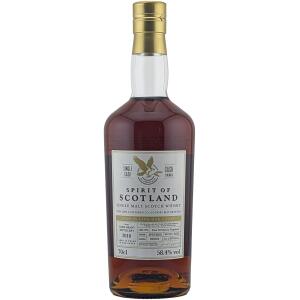
Single Malt Whisky
58.4% • 700ml • Speyside
3 Bottles Remaining
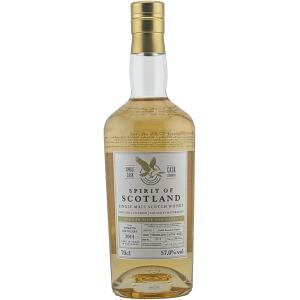
Single Malt Whisky
57.0% • 700ml • Highlands
10+ Bottles Available
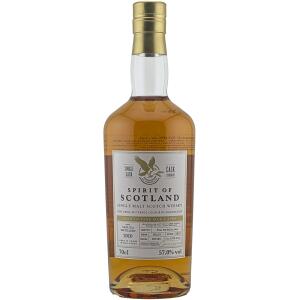
Single Malt Whisky
57.0% • 700ml • Islay
8 Bottles Remaining
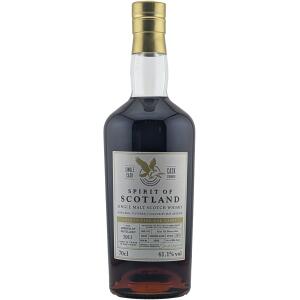
Single Malt Whisky
61.1% • 700ml • Highlands
2 Bottles Remaining
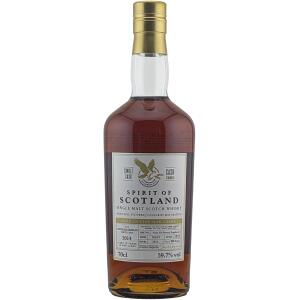
Single Malt Whisky
59.7% • 700ml • Islay
2 Bottles Remaining
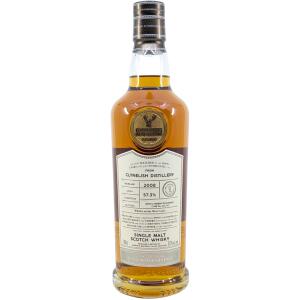
Single Malt Whisky
57.3% • 700ml • Highlands
5 Bottles Remaining
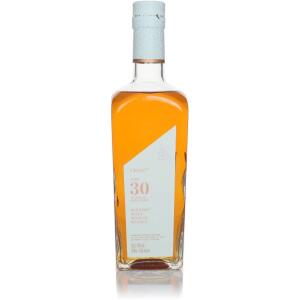
Blended Malt Whisky
43% • 700ml • Scotland
6 Bottles Remaining
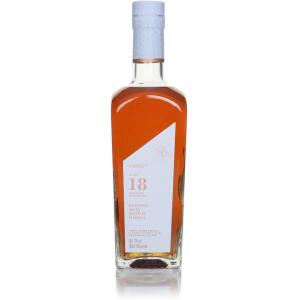
Blended Malt Whisky
43% • 700ml • Scotland
10+ Bottles Available
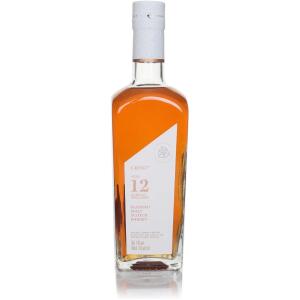
Blended Malt Whisky
43% • 700ml • Scotland
10+ Bottles Available
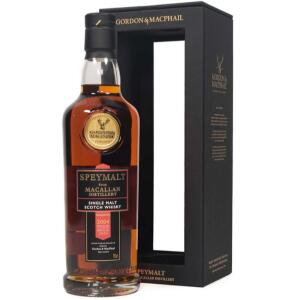
Single Malt Whisky
56.8% • 700ml • Speyside
10+ Bottles Available

The below is the average score out of 5 from our members, and the flavour profile which was voted to be the most prominent.
Join 1200+ other members and join our Whisky Folk community. Enjoy in-store samples, special exclusive releases, interactive tasting events, and 5-10% off on all regularly priced whiskies!
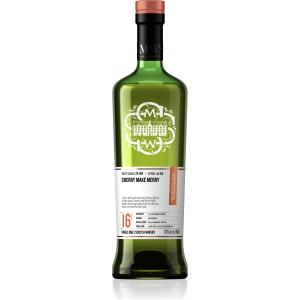
Single Malt Whisky
62.9% • 700ml • Speyside
9 Bottles Remaining
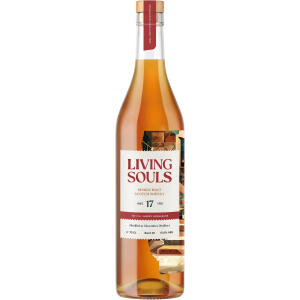
Single Malt Whisky
51.5% • 700ml • Speyside
3 Bottles Remaining
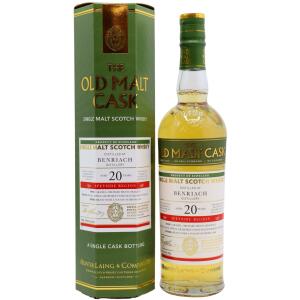
Single Malt Whisky
50% • 700ml • Speyside
5 Bottles Remaining

Single Malt Whisky
43% • 700ml • Speyside
2 Bottles Remaining

Single Malt Whisky
43% • 700ml • Speyside
2 Bottles Remaining