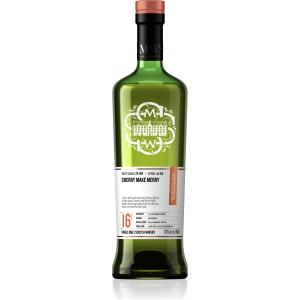
SMWS 24.184
Cherry Make Merry
Deep, Rich & Dried Fruits
Single Malt Whisky
62.9% • 700ml • Speyside
5 Bottles Remaining


1oz Pour

PRODUCERMacallan

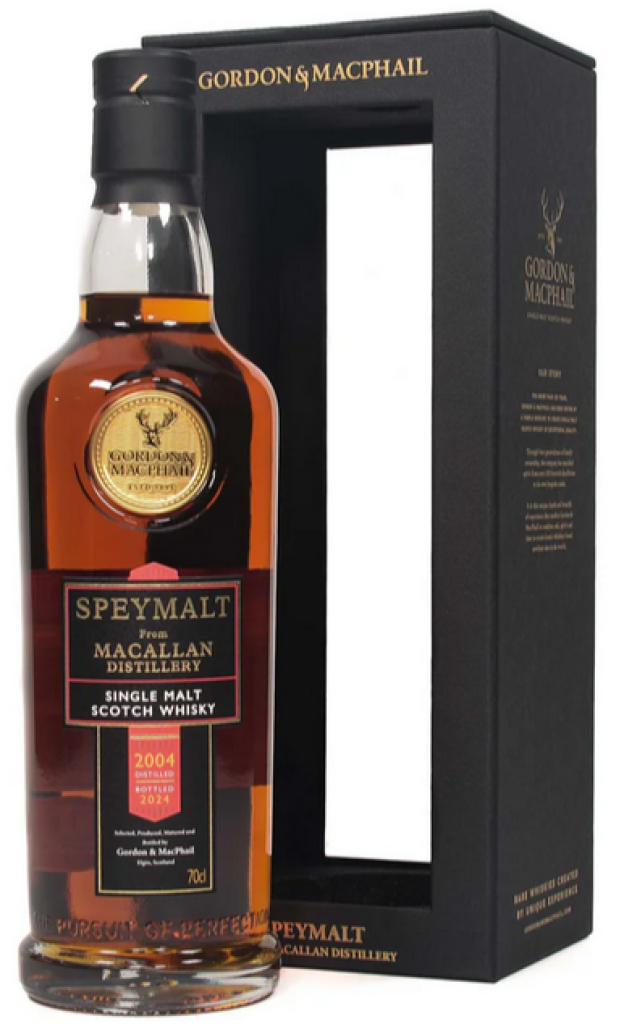
BOTTLERIndependent Bottling by Gordon & MacPhail

AGE19 Years Aged, Distilled 2005

CASK TYPEEx-Sherry

RELEASEStandard Cask Strength Single Cask Release

CHILL-FILTRATIONNo

ADDED COLOURNo

PEAT SMOKEDNo

Macallan has always had a slightly curious relationship with size. Today it is one of the most recognisable names in Scotch, produced in a £140 million distillery of almost geological proportions, yet the spirit itself owes much of its character to remarkably small stills and a deliberately narrow spirit cut.
The story began rather more modestly in 1824, when farmer Alexander Reid obtained a licence to distil at Easter Elchies, above the River Spey near Craigellachie. The estate’s handsome Easter Elchies House, completed in its present form around 1700, remains at the heart of the site. James Stuart rebuilt the distillery after taking the lease in 1868, before selling it in 1892 to Roderick Kemp, the formidable Victorian whisky man who had previously owned Talisker. Kemp’s descendants retained an interest for more than a century. Highland Distillers took control in 1996, with Edrington becoming Macallan’s owner in 1999.
Macallan’s small, squat stills and sharply descending lyne arms provide relatively little opportunity for copper to lighten the spirit, helping create a substantial, oily new make with plenty of fruit. That weight has historically found its partner in sherry casks, particularly large European oak butts. Macallan went unusually far in controlling its wood supply, specifying oak, cooperage, seasoning wine, and seasoning periods for casks made specifically for the distillery.
The vast new distillery, opened in 2018 beneath an undulating grass-covered roof, may look thoroughly modern, but the underlying equation remains reassuringly old-fashioned: weighty spirit, patient maturation, and rather a lot of very carefully chosen oak.
E
Single Malt Whisky
62.9% • 700ml • Speyside
5 Bottles Remaining

Single Malt Whisky
40% • 750ml • Speyside
4 Bottles Remaining


Single Malt Whisky
57.1% • 700ml • Speyside
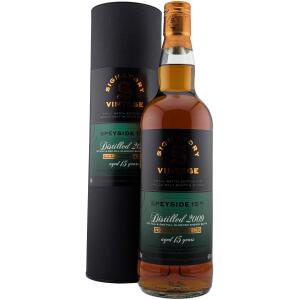
Single Malt Whisky
48.2% • 700ml • Speyside

Single Malt Whisky
62.5% • 700ml • Speyside
Founded in Elgin in 1895 by James Gordon and John Alexander MacPhail, Gordon & MacPhail began life not as a grand whisky house, but as a grocery and wine merchant, which feels somehow fitting. The company’s greatness lies partly in that old merchant sensibility: an eye for quality, a respect for provenance, and an understanding that time is often the most important ingredient in the room. Within a year, John Urquhart had joined the firm, and under his influence the business moved steadily into whisky broking, cask ownership, and bottling, establishing a model that would become one of the most revered in the independent bottling world.
What set Gordon & MacPhail apart was not merely access to casks, but the manner in which it used them. For decades, the company sent its own casks to distilleries across Scotland to be filled with new make spirit, then matured those casks either at the distillery or in its warehouses in Elgin. That gave it an unusual degree of influence over maturation, and helped create a vast archive of whisky from distilleries both famous and obscure, active and closed. In this sense, Gordon & MacPhail became not just a bottler, but a custodian of Scotland’s liquid history.
Its bottlings are typically marked by clarity and restraint: detailed age statements, cask information, and an emphasis on allowing distillery character to remain legible through long maturation. The company is also known for extraordinarily old releases, where patience is treated not as a marketing flourish, but as a house discipline. In recent years, Gordon & MacPhail has shifted its long-term focus toward its own distilleries, Benromach and The Cairn, and ceased filling casks at distilleries it does not own from 2024 onwards. Even so, its existing stocks are so extensive that whiskies under the Gordon & MacPhail name are expected to continue for decades, which seems entirely in keeping with a company that has always thought in generations rather than seasons.
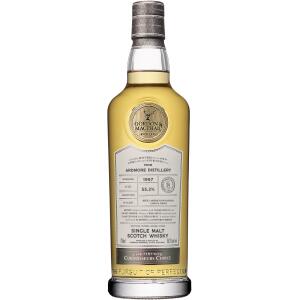
Single Malt Whisky
55.2% • 700ml • Highlands
6 Bottles Remaining

Single Malt Whisky
45.8% • 700ml • Highlands
4 Bottles Remaining
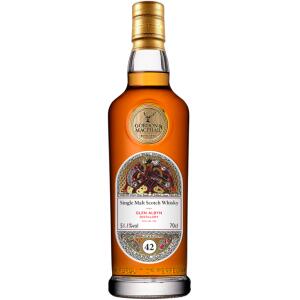
Single Malt Whisky
51.1% • 700ml • Highlands
4 Bottles Remaining
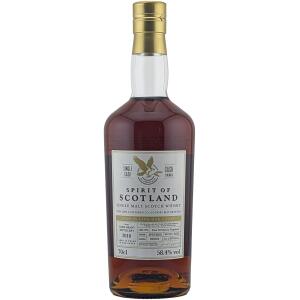
Single Malt Whisky
58.4% • 700ml • Speyside
3 Bottles Remaining
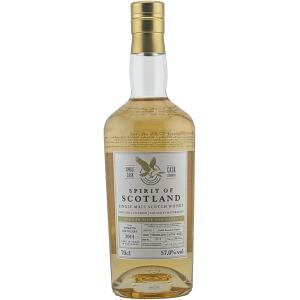
Single Malt Whisky
57.0% • 700ml • Highlands
10+ Bottles Available
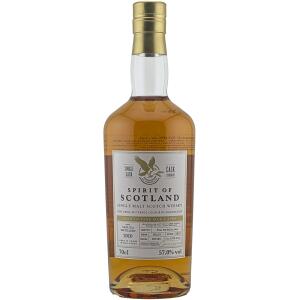
Single Malt Whisky
57.0% • 700ml • Islay
4 Bottles Remaining
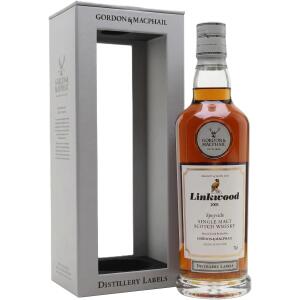
Single Malt Whisky
51.9% • 700ml • Speyside
Only 1 Bottle Left
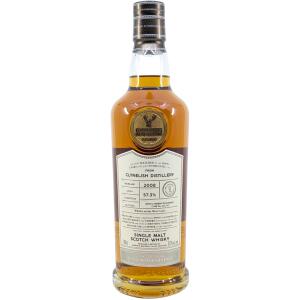
Single Malt Whisky
57.3% • 700ml • Highlands
5 Bottles Remaining
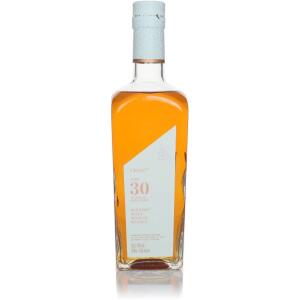
Blended Malt Whisky
43% • 700ml • Scotland
6 Bottles Remaining
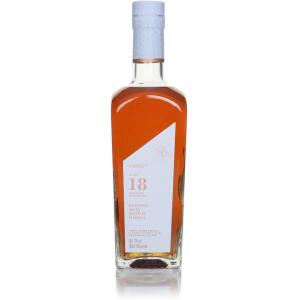
Blended Malt Whisky
43% • 700ml • Scotland
10+ Bottles Available

The below is the average score out of 5 from our members, and the flavour profile which was voted to be the most prominent.
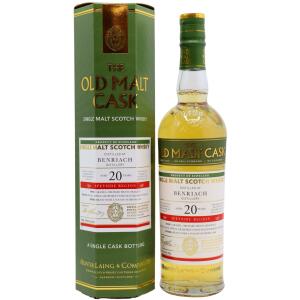
Single Malt Whisky
50% • 700ml • Speyside
5 Bottles Remaining
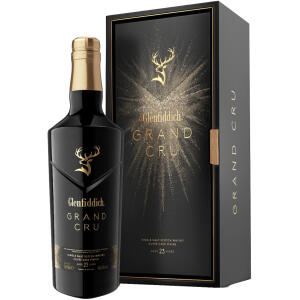
Single Malt Whisky
40% • 750ml • Speyside
Only 1 Bottle Left

Single Malt Whisky
49.2% • 700ml • Speyside
Only 1 Bottle Left

Single Malt Whisky
43% • 700ml • Speyside
2 Bottles Remaining

Single Malt Whisky
43% • 700ml • Speyside
2 Bottles Remaining