
Ledaig
10 Years Old
Smoky & Earthy3.5 ★
Single Malt Whisky
46.3% • 750ml • Islands
6 Bottles Remaining
$86.00
Whisky Folk: $81.70

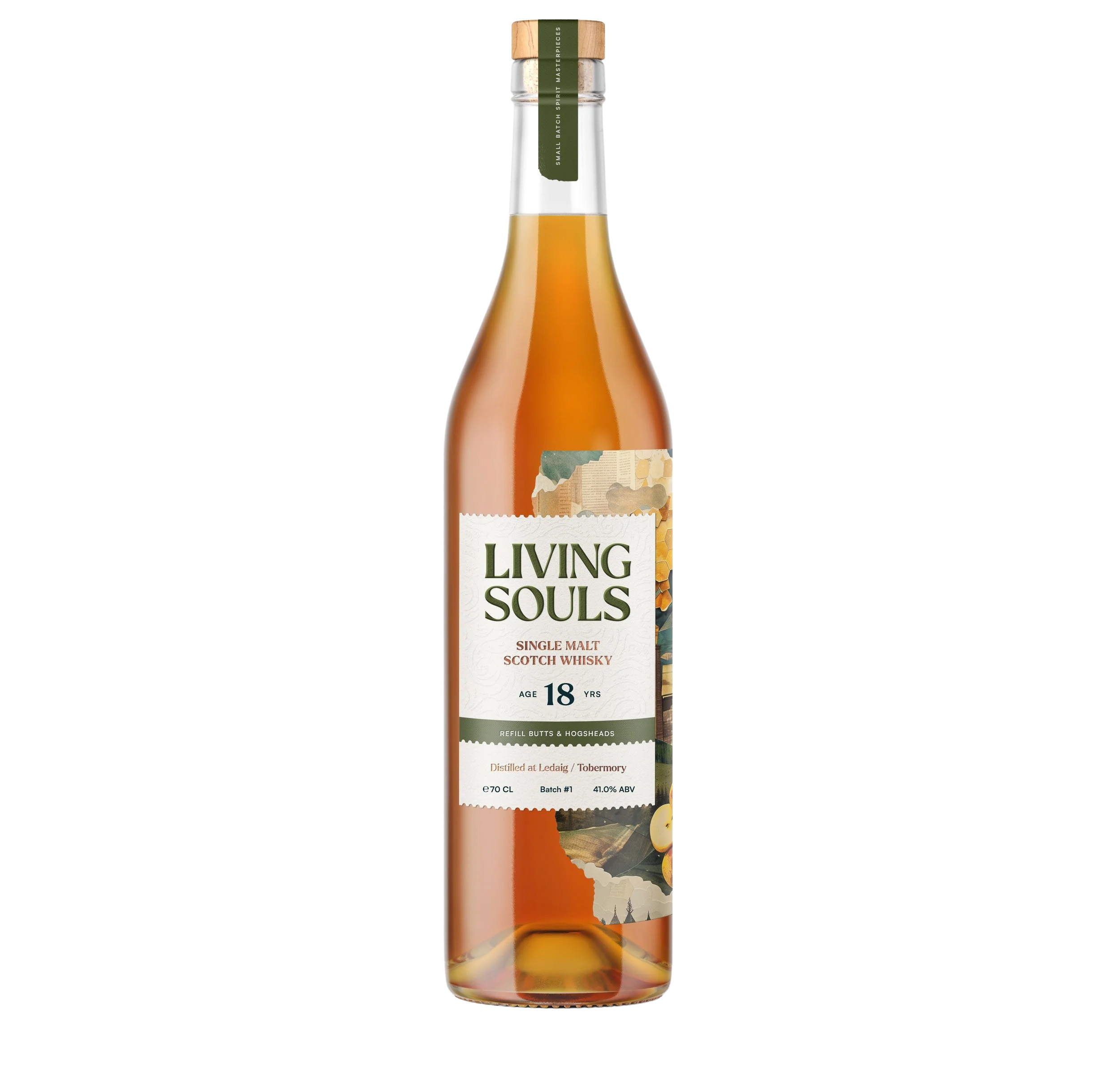

PRODUCERTobermory

BOTTLERIndependent Bottling by Living Souls

AGE18 Years Aged

CASK TYPERefill Butts & Hogsheads

RELEASEStrath Exclusive In BC Small Batch Release Of 1200 Bottles

CHILL-FILTRATIONNo

ADDED COLOURNo

PEAT SMOKEDYes
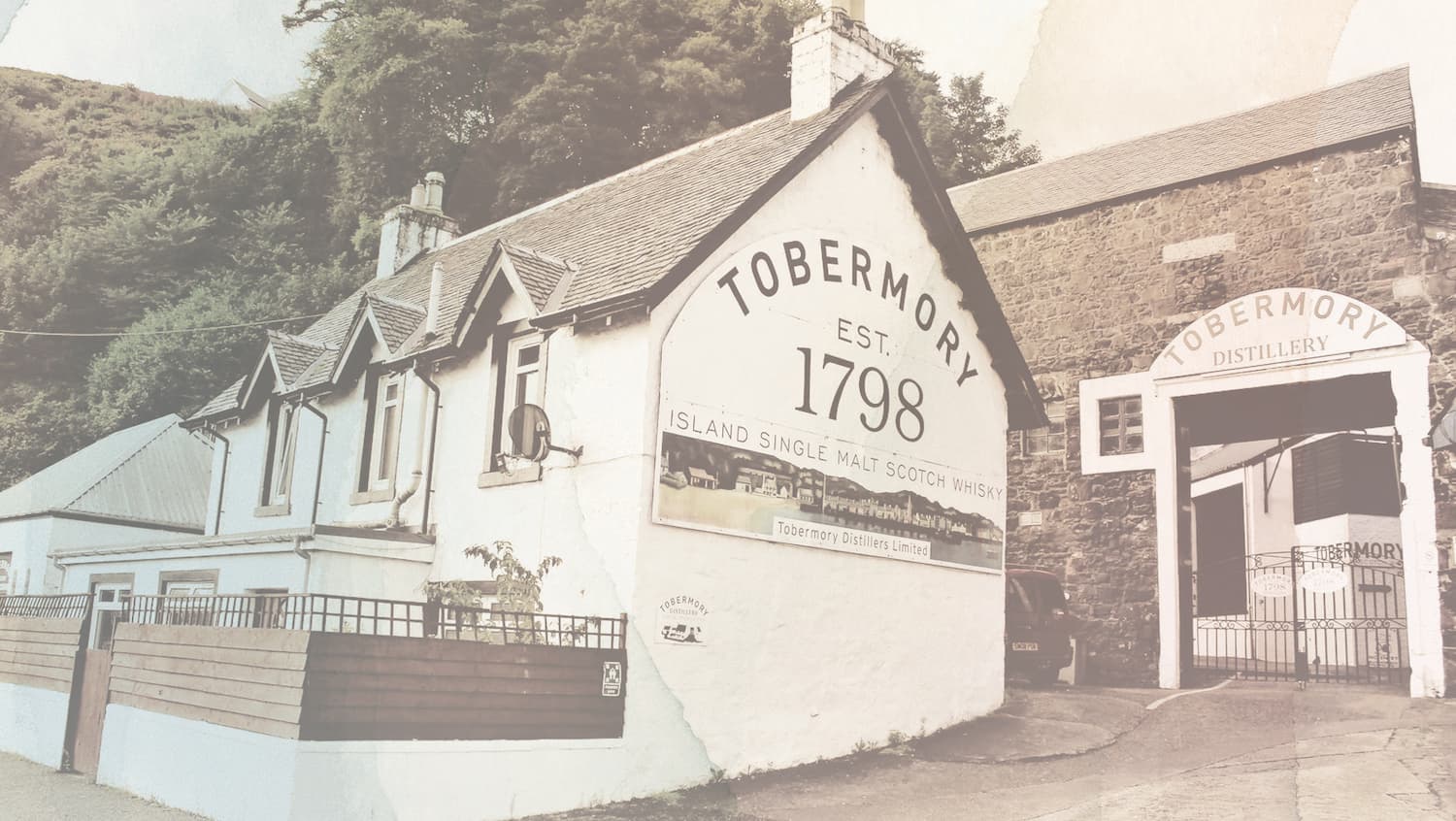
In the harbour town of Tobermory on the Isle of Mull, the brightly painted houses form a picture-postcard backdrop that has become as much a part of the distillery’s character as the whisky itself. The distillery sits tucked into this lively waterfront, drawing both on the island’s rugged coastal climate and on its ready access to pure water from the Mishnish Lochs above the town. Mull is a place of sea breezes, shifting skies, and craggy hills, and these elemental forces have always been said to play their part in the spirit’s formation.
The distillery itself can trace its roots back to 1798, which makes it one of Scotland’s older licensed operations, though its fortunes have waxed and waned dramatically over the centuries. Known for much of its history as Ledaig, it endured long stretches of closure, periods of neglect, and ownership that passed from local hands to larger firms and back again. Its survival has often seemed precarious, yet Tobermory has managed, with a certain island stubbornness, to cling on. In the 1990s it was revived under new stewardship, and more recently it has received significant investment that finally secured its long-term future.
Production at Tobermory is distinctive for its dual identity. For part of the year, the distillery makes unpeated single malt under the Tobermory name: fruity, maritime, often with a nutty undertone. For the remainder, it produces a heavily peated malt that continues the old Ledaig name, a muscular, smoky counterpoint to its gentler sibling. The stillhouse is fitted with oddly squat copper stills, which contribute to the weight of the spirit, and maturation takes place largely in refill casks, though sherry and wine finishes have become more common. The result is a house style that embraces contrast, allowing Mull’s only distillery to offer two very different yet complementary whiskies.
Single Malt Whisky
46.3% • 750ml • Islands
6 Bottles Remaining

Single Malt Whisky
46.3% • 700ml • Islands
6 Bottles Remaining

Single Malt Whisky
46.3% • 700ml • Islands
4 Bottles Remaining

Single Malt Whisky
46.3% • 700ml • Islands
3 Bottles Remaining
Single Malt Whisky
43% • 700ml • Islands
Living Souls is a notably recent arrival, founded in Glasgow in 2024, but it does not feel like a casual newcomer. The company was established by three industry veterans, Calum Leslie, Jamie Williamson and John Torrance, whose experience spans roles at Loch Lomond Group, Douglas Laing, Diageo and beyond. That background helps explain why the range arrived with an unusual degree of confidence: rather than easing into the market with one or two polite releases, Living Souls launched with a set of whiskies that already suggested a distinct point of view.
What makes that point of view interesting is that Living Souls does not seem especially interested in simply copying the standard independent bottler formula. There are single malts in the range, certainly, but the company has also shown an appetite for creative blending, small batch releases and whiskies with slightly unusual stories behind them. Early bottlings included a 15-year-old blended Scotch drawn from a developing solera system, alongside older blends and malts presented less as label exercises than as characterful, idiosyncratic bottlings. It gives the impression of a company more concerned with whether a whisky is interesting than whether it fits neatly into a familiar category.
There is, too, a modern sense of curation about Living Souls. The emphasis appears to be on flavour profile, individuality and release concept rather than sheer austerity, which sets it slightly apart from bottlers whose identity rests chiefly on single cask purity. That does not make it less serious, only differently focused. If many independent bottlers aim to present a cask exactly as found, Living Souls seems more interested in presenting whisky as a compelling finished idea, shaped by experience, selection and a certain willingness to be a little unconventional.

Single Malt Whisky
46% • 700ml • Speyside
4 Bottles Remaining
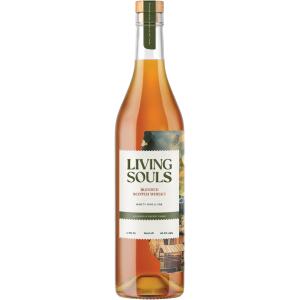
Blended Malt Whisky
46.3% • 700ml • Scotland
4 Bottles Remaining
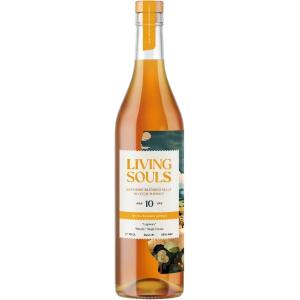
Blended Malt Whisky
48% • 700ml • Speyside
7 Bottles Remaining
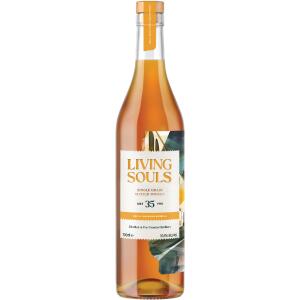
Single Grain Whisky
50.5% • 700ml • Lowlands
2 Bottles Remaining
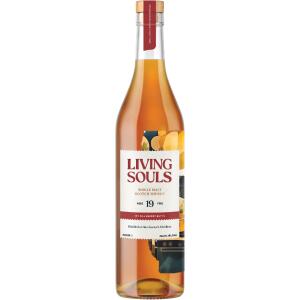
Single Malt Whisky
48% • 700ml • Islands
5 Bottles Remaining

Single Malt Whisky
55% • 700ml • Islands
3 Bottles Remaining
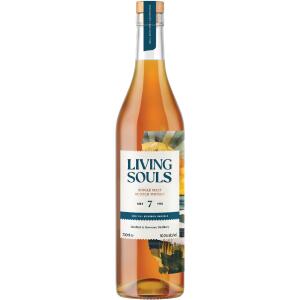
Single Malt Whisky
50% • 700ml • Islay
8 Bottles Remaining

Blended Malt Whisky
46% • 700ml • Islay
3 Bottles Remaining
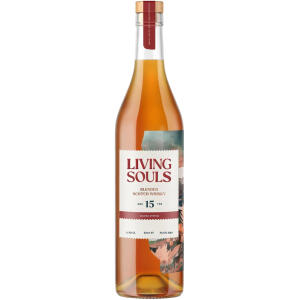
Blended Scotch Whisky
46% • 700ml • Scotland
6 Bottles Remaining
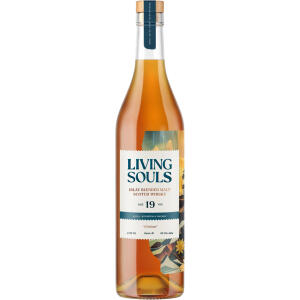
Blended Malt Whisky
42% • 700ml • Islay
3 Bottles Remaining

The below is the average score out of 5 from our members, and the flavour profile which was voted to be the most prominent.
Join 1200+ other members and join our Whisky Folk community. Enjoy in-store samples, special exclusive releases, interactive tasting events, and 5-10% off on all regularly priced whiskies!
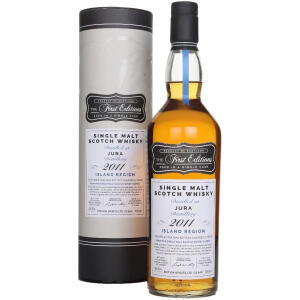
Single Malt Whisky
53.5% • 700ml • Islands
4 Bottles Remaining
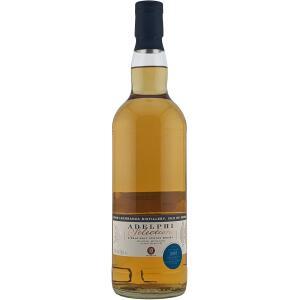
Single Malt Whisky
57.1% • 700ml • Islands
4 Bottles Remaining
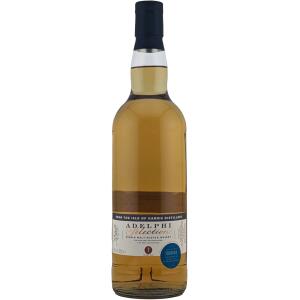
Single Malt Whisky
57.9% • 700ml • Islands
3 Bottles Remaining

Single Malt Whisky
45.1% • 700ml • Islands
2 Bottles Remaining

Single Malt Whisky
49.7% • 500ml • Islands
3 Bottles Remaining