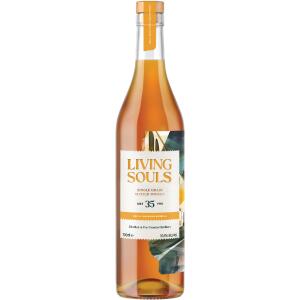
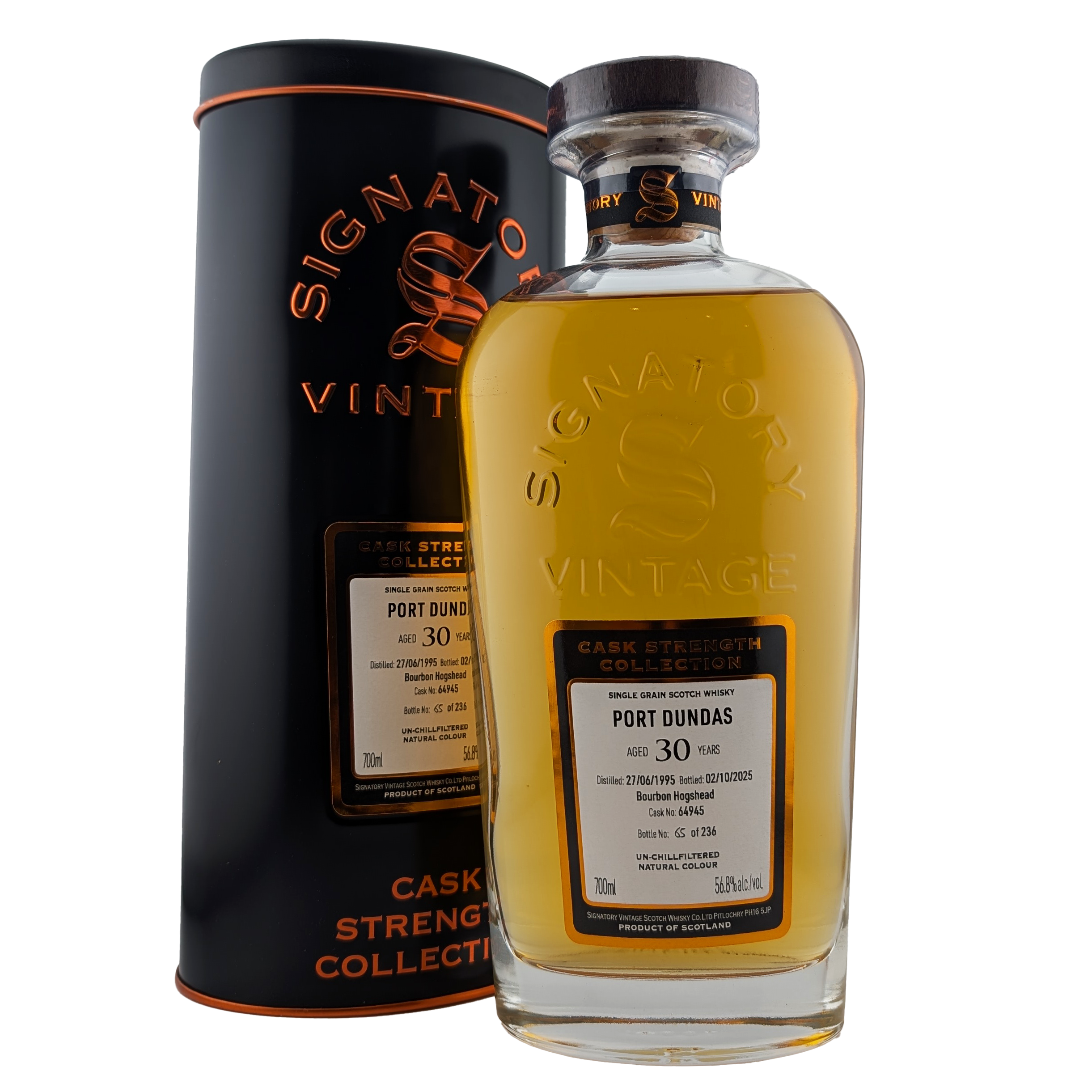
Port Dundas
Living Souls 35 Year
Fruity & Spicy4.4 ★
Single Grain Whisky
50.5% • 700ml • Lowlands
Only 1 Bottle Left
$260.78
Whisky Folk: $247.74


1oz Pour

PRODUCERPort Dundas

BOTTLERIndependent Bottling by Signatory Vintage

AGE30 Years Aged, Distilled 1995

CASK TYPEEx-Bourbon Hogshead

RELEASEStrath Exclusive In BC Cask Strength Single Cask Release Of 236 Bottles

CHILL-FILTRATIONNo

ADDED COLOURNo

PEAT SMOKEDNo
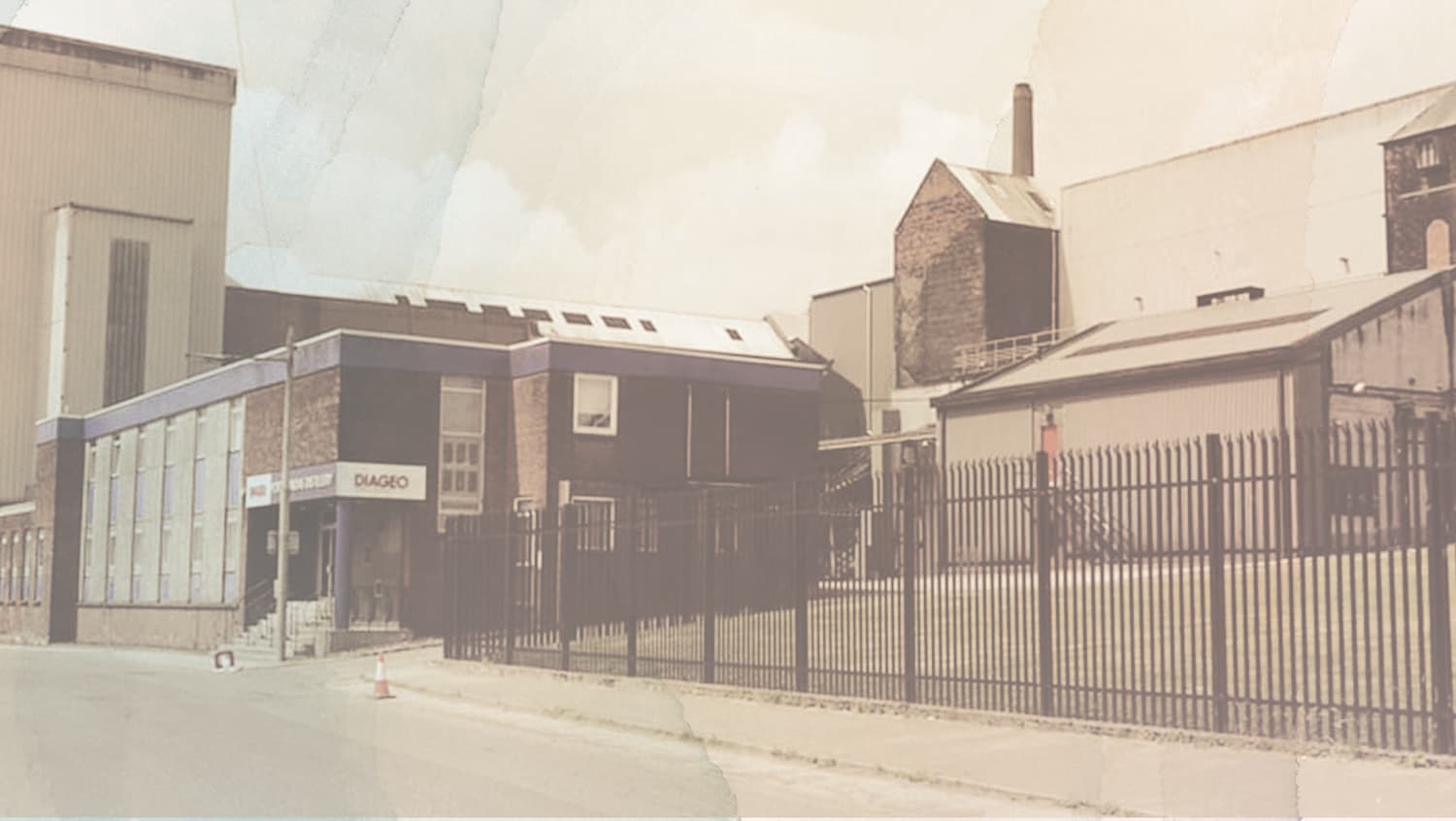
"Port Dundas once stood proud atop the highest point in Glasgow, its red-brick warehouses and towering chimney overlooking the Forth & Clyde Canal, a testament to industrial ambition in the heart of the city. Located within a hub of docks and railways, the distillery’s setting was as much about connectivity as character, its spirit shaped by urban grit and the pulse of a blending powerhouse.
Founded in 1811 by Daniel MacFarlane as a malt distillery and joined two years later by Brown, Gourlie & Co., Port Dundas would soon embrace innovation. By the mid-1840s, both sites had installed Coffey stills, converting the operation to grain whisky. Following a merger with Cowlairs in the 1860s and absorption of Dundashill in 1877, the distillery grew to become Scotland’s largest, boasting multiple coffey and pot stills and once the tallest brick chimney in the world. Its fermentation, continuous distillation through Coffey stills, and ageing primarily in ex-bourbon casks produced a sweet, creamy spirit with whispers of vanilla and cereal. At its peak it yielded about 39 million litres annually, supplying blends such as Johnnie Walker, White Horse, Haig, Bell’s, and J&B.
Despite surviving two fires in the early 20th century, wartime closures, and a thorough 1970s modernisation, the distillery closed in 2010 when Diageo consolidated grain production at Cameronbridge. Demolished in 2011, Port Dundas lives on only through rare independent bottlings, ghostly echoes of Glasgow’s blending heyday and a reminder that even the mightiest sites can vanish when their purpose is fulfilled."
Tucked away in the eastern Highlands near the village of Kennethmont, Ardmore sits quietly beside the main railway line, its pagoda roofs often missed by those speeding past. Yet within its walls lies one of the region’s most characterful spirits, a robust, smoky malt that defies expectations of what Highland whisky ought to be.
Established in 1898 by Adam Teacher, the distillery was built to provide a peated backbone to the Teacher’s blended Scotch empire. That influence persists to this day. While much of Ardmore’s output still supports blends, its single malt remains a hidden gem for those who appreciate a whisky with weight and smoky depth.
The style is distinctly earthy and peated, unusual for a Highland distillery. The peat used is more forest floor than coastal brine, imparting a gentler, woodsmoke character. Ardmore uses traditional wooden washbacks and maintains worm tub condensers, which contribute to the richness and complexity of the spirit. The distillery also famously persisted with coal-fired stills until as recently as 2001, a reflection of its traditionalist streak.
Though official bottlings have historically been scarce, independent releases and the revival of core expressions have helped shine a light on Ardmore’s distinctive voice. With notes of smoked hay, heather, honey, and toasted oak, its whisky feels grounded in the land it comes from, hearty, humble, and unmistakably Highland.
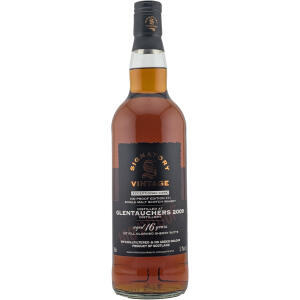
Single Malt Whisky
59.6% • 700ml • Speyside
3 Bottles Remaining
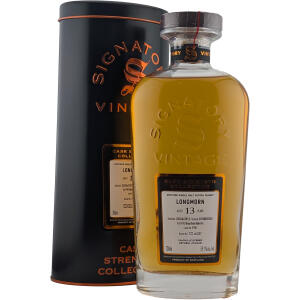
Single Malt Whisky
57.1% • 700ml • Speyside
6 Bottles Remaining
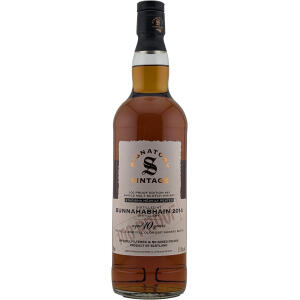
Single Malt Whisky
59.1% • 700ml • Speyside
4 Bottles Remaining
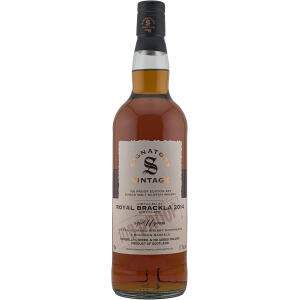
Single Malt Whisky
57.1% • 700ml • Islay
7 Bottles Remaining
Single Malt Whisky
57.1% • 700ml • Highlands
10+ Bottles Available
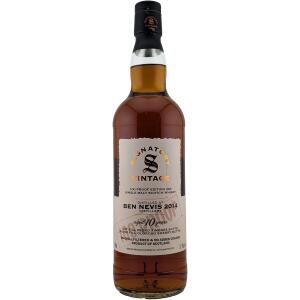
Single Malt Whisky
57.1% • 700ml • Highlands
Only 1 Bottle Left
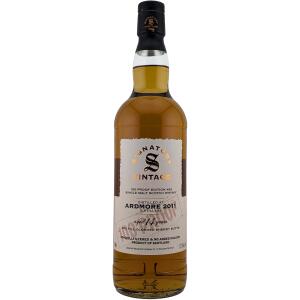
Single Malt Whisky
57.1% • 700ml • Highlands
8 Bottles Remaining
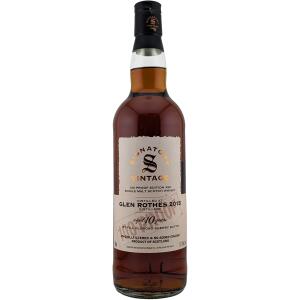
Single Malt Whisky
57.1% • 700ml • Speyside
6 Bottles Remaining
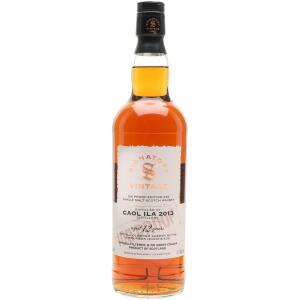
Single Malt Whisky
57.09% • 700ml • Islay
10+ Bottles Available
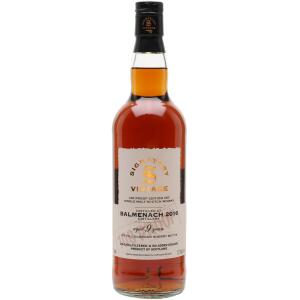
Single Malt Whisky
57.1% • 700ml • Speyside
Only 1 Bottle Left

The below is the average score out of 5 from our members, and the flavour profile which was voted to be the most prominent.

