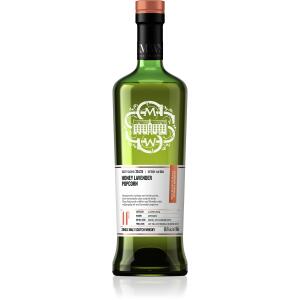
SMWS 30.125
Honey Lavender Popcorn
Deep, Rich & Dried Fruits
Single Malt Whisky
66.0% • 700ml • Speyside
5 Bottles Remaining


PRODUCERGlenrothes

BOTTLERIndependent Bottling by Signatory Vintage

AGE10 Years Aged, Distilled 2015

CASK TYPE1st Fill Oloroso Butts

RELEASEStrath Exclusive In BC Small Batch Release

CHILL-FILTRATIONNo

ADDED COLOURNo

PEAT SMOKEDNo
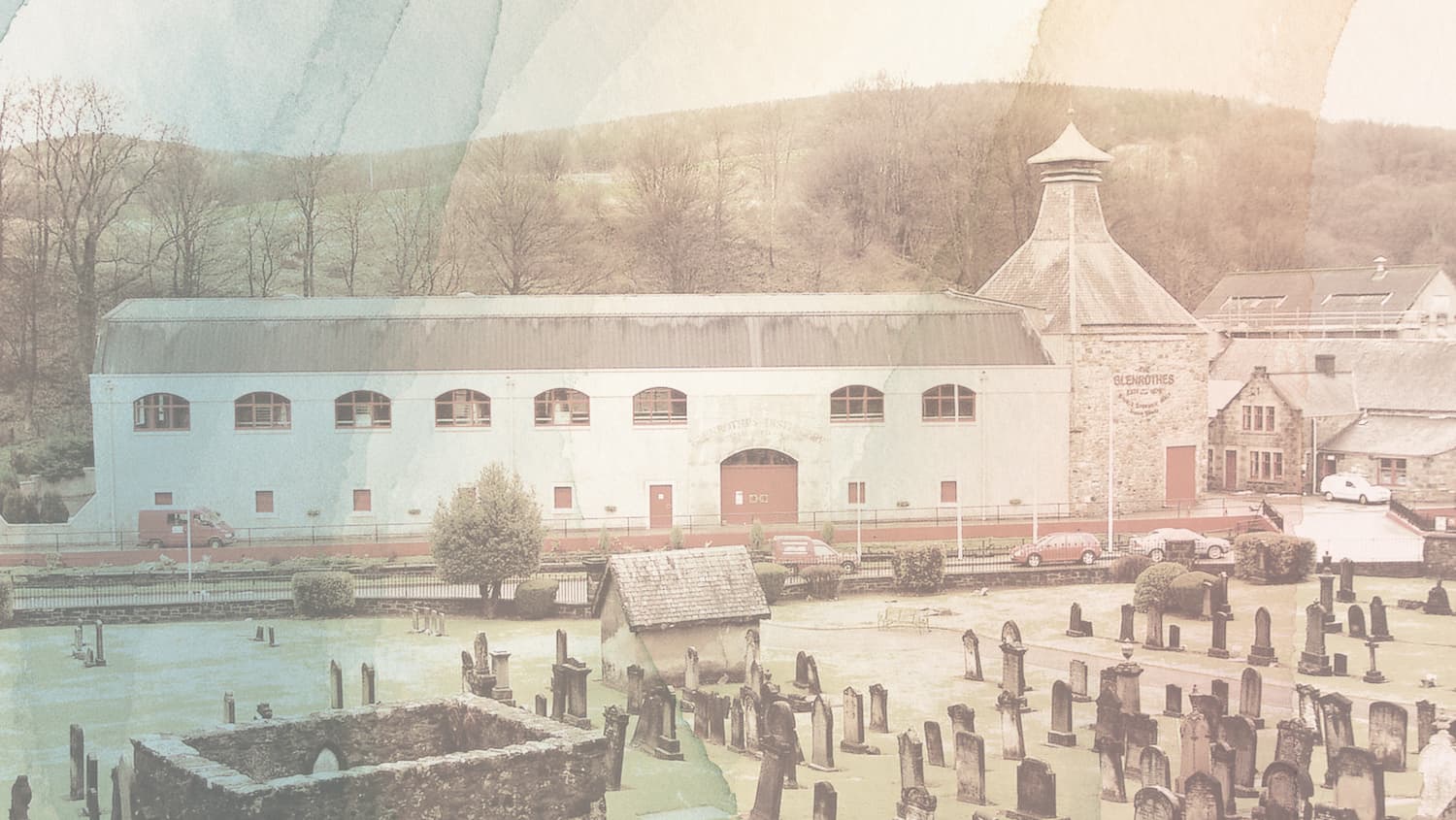
At Glenrothes, time is not a marketing word, it is a working principle. The mash is hustled along and fermentation is kept on the shorter side, handled in a considered mix of wooden and stainless-steel washbacks, with more timber than metal to soften the edges. Then the tempo changes. Distillation is drawn out through very tall stills fitted with boil bulbs, encouraging reflux and letting a broad spectrum of flavours be teased into order. Most of that new make is then asked to wait again: ex-Sherry casks, in both European and American oak, do the bulk of the work, with ex-Bourbon used alongside. It is a slow whisky, and in the glass it can take longer than most to open properly.
The distillery’s own beginnings were no less turbulent. Started in 1878, it almost foundered before completion when the collapse of the Glasgow Bank and wider economic jitters wrong-footed its original investors, who were connected to Macallan at the time. The project carried on under William Grant (not the Glenfiddich one), Robert Dick and John Cruikshank, and, in a peculiarly Presbyterian subplot, a timely loan arrived from the United Free Presbyterian Church of Knockando, teetotal in doctrine but charitable in practice. Prosperity followed, and an amalgamation with Bunnahabhain in 1887 helped bring Highland Distillers into existence.
From Rothes, the whisky became prized by blenders, notably in Cutty Sark and The Famous Grouse, even as the stillhouse expanded to ten stills. Berry Bros & Rudd later championed the single malt through vintage releases, single-year parcels selected to show maturation’s changing moods. After a period where brand and distillery were separated by corporate deal making, Edrington bought the brand back in 2017, leaving Glenrothes quietly industrious and, for the most part, closed to casual visitors.
Single Malt Whisky
66.0% • 700ml • Speyside
5 Bottles Remaining
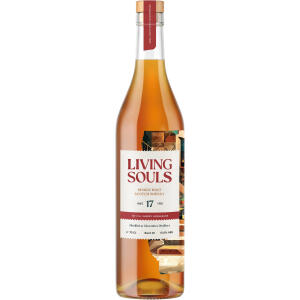
Single Malt Whisky
51.5% • 700ml • Speyside
3 Bottles Remaining

Single Malt Whisky
59.6% • 700ml • Speyside

Single Malt Whisky
43% • 700ml • Speyside

Single Malt Whisky
67.8% • 752ml • Speyside
Founded in 1988 by Andrew Symington, Signatory Vintage Scotch Whisky Company emerged during a period when independent bottling was still a relatively understated part of the Scotch whisky landscape. Symington’s approach was clear from the outset: to source individual casks and present them with minimal interference, often at natural cask strength, allowing the character of both distillery and maturation to remain fully intact. It was a philosophy rooted not in consistency, but in variation, and in the belief that each cask had something distinct to say.
Over time, the company built a reputation for both breadth and depth. Its releases have spanned an extraordinary range of distilleries, from well-known names to those long since closed, preserving liquid that might otherwise have disappeared into blends or obscurity. This archival instinct has become one of Signatory’s defining traits, offering drinkers access to styles and profiles that no longer exist in active production. The acquisition of Edradour Distillery in 2002 added a physical anchor to its operations, while leaving its core identity as a bottler unchanged.
What distinguishes Signatory most clearly is its transparency and structure. Bottlings typically carry detailed information, including distillation and bottling dates, cask type, and outturn, presented without embellishment. Much of the range is released without chill filtration or added colouring, reinforcing a sense of fidelity to the cask. Alongside its single cask releases, the introduction of the 100 Proof range has provided a more structured offering, where whiskies are selected and batched to be bottled at a consistent strength of 57.1% ABV. These releases retain the company’s emphasis on clarity and integrity, while offering a slightly more approachable framework for regular availability, balancing individuality with a degree of continuity.
Across series such as the Un-Chillfiltered Collection, Cask Strength releases, and the 100 Proof range, the underlying principle remains consistent: each bottle represents a moment in time, shaped by wood, spirit, and patience, and presented with a minimum of intervention.
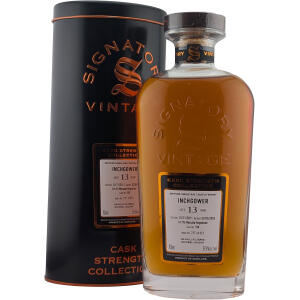
Single Malt Whisky
59.6% • 700ml • Speyside
3 Bottles Remaining
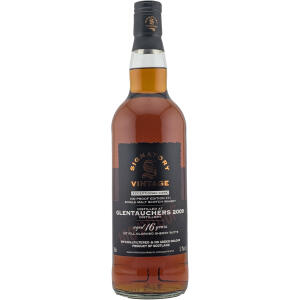
Single Malt Whisky
57.1% • 700ml • Speyside
6 Bottles Remaining
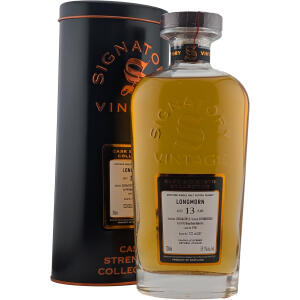
Single Malt Whisky
59.1% • 700ml • Speyside
4 Bottles Remaining
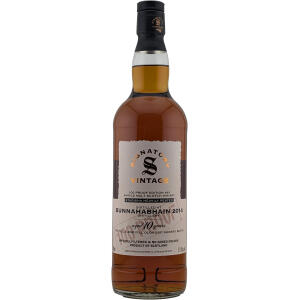
Single Malt Whisky
57.1% • 700ml • Islay
7 Bottles Remaining
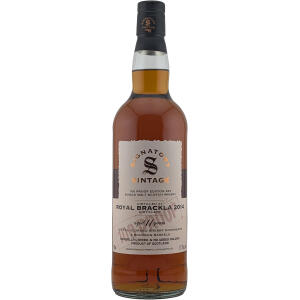
Single Malt Whisky
57.1% • 700ml • Highlands
10+ Bottles Available
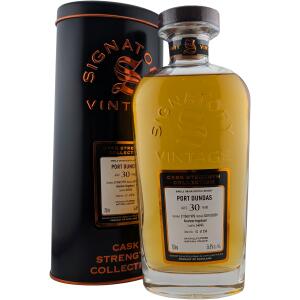
Single Grain Whisky
56.8% • 700ml • Lowlands
6 Bottles Remaining
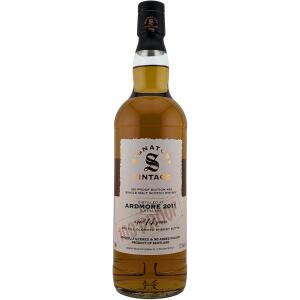
Single Malt Whisky
57.1% • 700ml • Highlands
7 Bottles Remaining
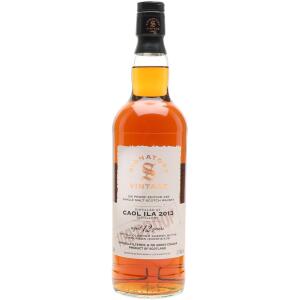
Single Malt Whisky
57.09% • 700ml • Islay
10+ Bottles Available
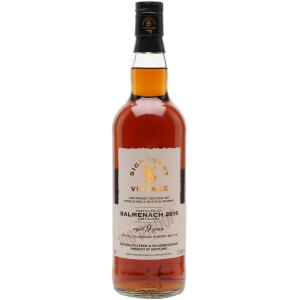
Single Malt Whisky
57.1% • 700ml • Speyside
Only 1 Bottle Left
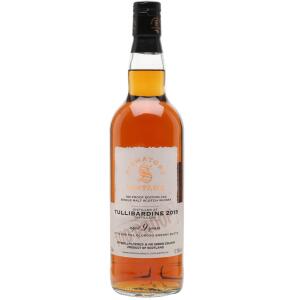
Single Malt Whisky
57.1% • 700ml • Highlands
10+ Bottles Available

The below is the average score out of 5 from our members, and the flavour profile which was voted to be the most prominent.
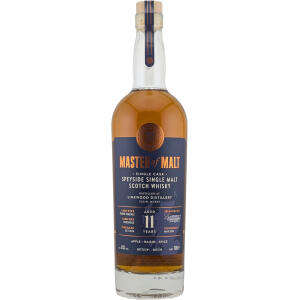

Single Malt Whisky
56.5% • 700ml • Speyside
10+ Bottles Available
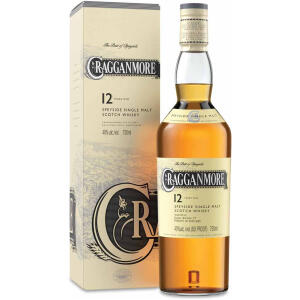
Single Malt Whisky
40% • 750ml • Speyside
10+ Bottles Available
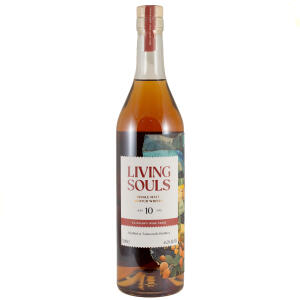
Single Malt Whisky
46% • 700ml • Speyside
2 Bottles Remaining
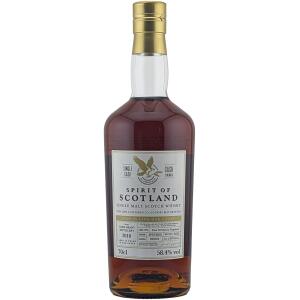
Single Malt Whisky
58.4% • 700ml • Speyside
3 Bottles Remaining

Single Malt Whisky
61.7% • 700ml • Speyside
4 Bottles Remaining