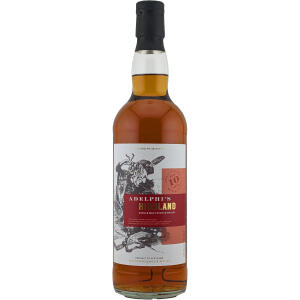
Adelphi's Highland
Teaninich Aged 10 Years
Single Malt Whisky
46% • 700ml • Highlands
4 Bottles Remaining
$99.91
Whisky Folk: $94.92

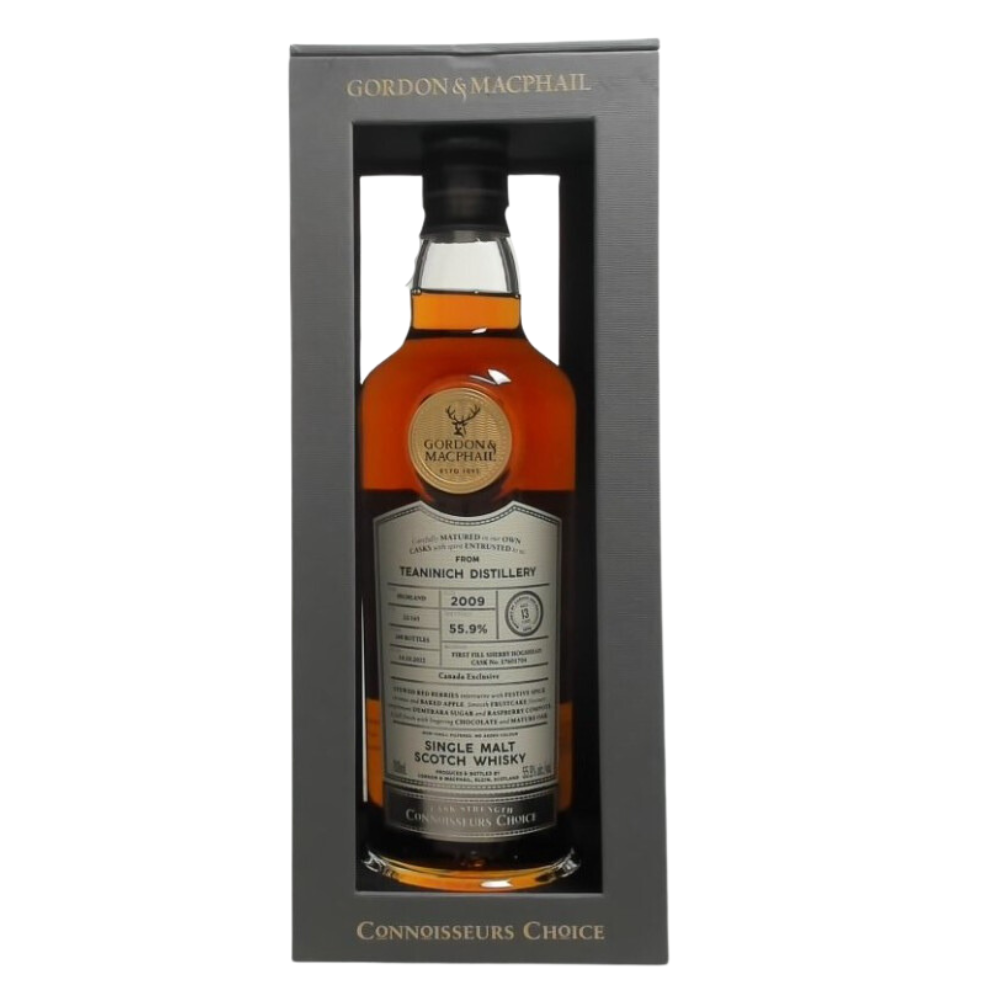

PRODUCERTeaninich

BOTTLERIndependent Bottling by Gordon & MacPhail

AGE13 Years Aged, Distilled 2009

CASK TYPEFirst Fill Ex-Sherry

RELEASECanadian Exclusive Cask Strength Single Cask Release Of 248 Bottles

CHILL-FILTRATIONNo

ADDED COLOURNo

PEAT SMOKEDNo

Hugh Munro, laird of Teaninich and later famed as the Blind Captain after an unfortunate musket shot in the Nepoleonic war, turned adversity into enterprise on the banks of the River Alness. He straightened watercourses, set out a village plan, and offered fairer leases to the people who worked his land. In 1817 he added a legal outlet for their barley, a distillery by the estate that would take the name Teaninich. The place sits in that lucid light of Easter Ross, where sea air travels up the firth and the farmland rises in quiet folds toward heather and hill. It feels practical rather than picturesque, a working landscape with the still house as its metronome.
Teaninich’s character is made in the details. The mash house employs a plate-and-frame mash filter, yielding particularly clear worts that ferment cleanly. The resulting spirit comes off the stills with a bright, grassy lift, often evoking green tea, crisp apple and lemon peel, yet there is pleasing waxy weight on the palate. That combination of freshness and gentle oiliness gives blenders a reliable backbone. When a recipe seeks the wax-and-citrus register more commonly associated with Clynelish, Teaninich can be utilized as a similar alternative.
Time in refill and bourbon casks tends to keep the orchard fruit and meadow notes at the fore, while longer aging teases out almond, oatmeal and a subtle wax glow. Teaninich may not court attention, yet its quiet engineering of flavour has underpinned many a beloved blend, and rewards patient drinkers with clarity, texture and a very Highland poise.
Single Malt Whisky
46% • 700ml • Highlands
4 Bottles Remaining

Single Malt Whisky
53.9% • 700ml • Highlands
2 Bottles Remaining
Single Malt Whisky
55.0% • 700ml • Highlands
Only 1 Bottle Left
Single Malt Whisky
56.4% • 700ml • Highlands
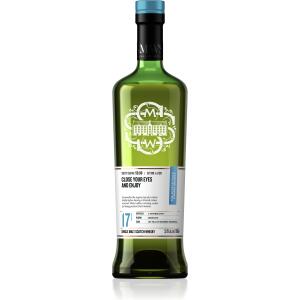
Single Malt Whisky
52.4% • 700ml • Highlands
Founded in Elgin in 1895 by James Gordon and John Alexander MacPhail, Gordon & MacPhail began life not as a grand whisky house, but as a grocery and wine merchant, which feels somehow fitting. The company’s greatness lies partly in that old merchant sensibility: an eye for quality, a respect for provenance, and an understanding that time is often the most important ingredient in the room. Within a year, John Urquhart had joined the firm, and under his influence the business moved steadily into whisky broking, cask ownership, and bottling, establishing a model that would become one of the most revered in the independent bottling world.
What set Gordon & MacPhail apart was not merely access to casks, but the manner in which it used them. For decades, the company sent its own casks to distilleries across Scotland to be filled with new make spirit, then matured those casks either at the distillery or in its warehouses in Elgin. That gave it an unusual degree of influence over maturation, and helped create a vast archive of whisky from distilleries both famous and obscure, active and closed. In this sense, Gordon & MacPhail became not just a bottler, but a custodian of Scotland’s liquid history.
Its bottlings are typically marked by clarity and restraint: detailed age statements, cask information, and an emphasis on allowing distillery character to remain legible through long maturation. The company is also known for extraordinarily old releases, where patience is treated not as a marketing flourish, but as a house discipline. In recent years, Gordon & MacPhail has shifted its long-term focus toward its own distilleries, Benromach and The Cairn, and ceased filling casks at distilleries it does not own from 2024 onwards. Even so, its existing stocks are so extensive that whiskies under the Gordon & MacPhail name are expected to continue for decades, which seems entirely in keeping with a company that has always thought in generations rather than seasons.
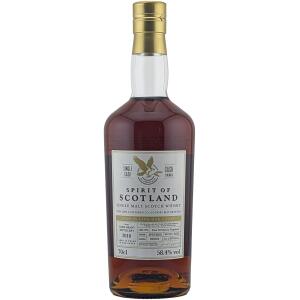
Single Malt Whisky
58.4% • 700ml • Speyside
3 Bottles Remaining
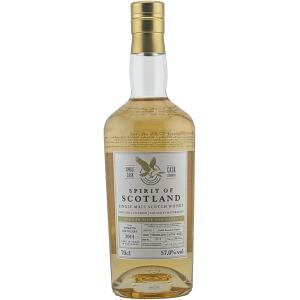
Single Malt Whisky
57.0% • 700ml • Highlands
10+ Bottles Available
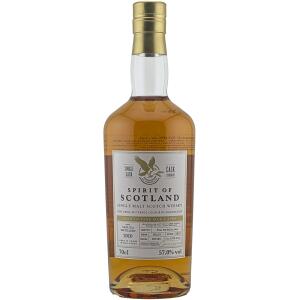
Single Malt Whisky
57.0% • 700ml • Islay
8 Bottles Remaining
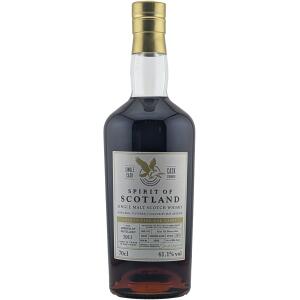
Single Malt Whisky
61.1% • 700ml • Highlands
2 Bottles Remaining
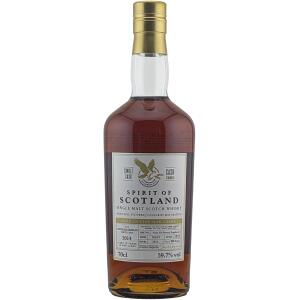
Single Malt Whisky
59.7% • 700ml • Islay
2 Bottles Remaining
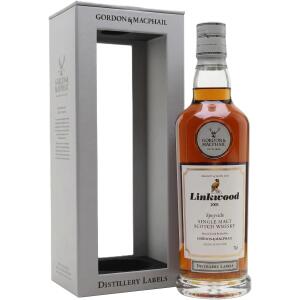
Single Malt Whisky
51.9% • 700ml • Speyside
Only 1 Bottle Left
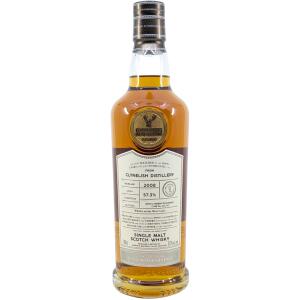
Single Malt Whisky
57.3% • 700ml • Highlands
5 Bottles Remaining
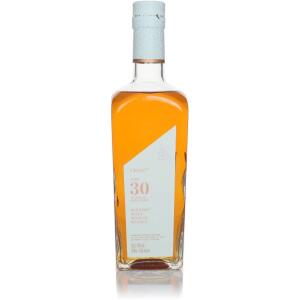
Blended Malt Whisky
43% • 700ml • Scotland
6 Bottles Remaining
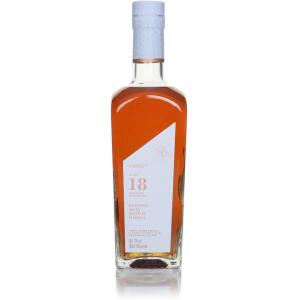
Blended Malt Whisky
43% • 700ml • Scotland
10+ Bottles Available
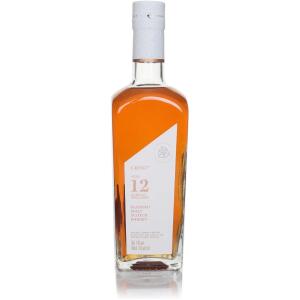
Blended Malt Whisky
43% • 700ml • Scotland
10+ Bottles Available

The below is the average score out of 5 from our members, and the flavour profile which was voted to be the most prominent.
Join 1200+ other members and join our Whisky Folk community. Enjoy in-store samples, special exclusive releases, interactive tasting events, and 5-10% off on all regularly priced whiskies!
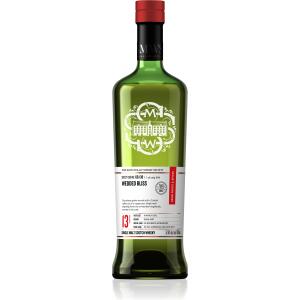
Single Malt Whisky
57.6% • 700ml • Highlands
2 Bottles Remaining
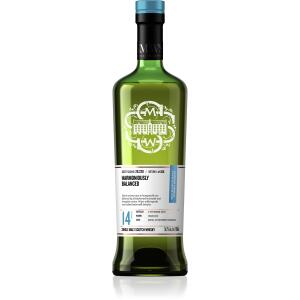
Single Malt Whisky
54.7% • 700ml • Highlands
3 Bottles Remaining
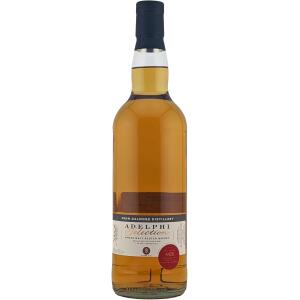
Single Malt Whisky
59.1% • 700ml • Highlands
2 Bottles Remaining
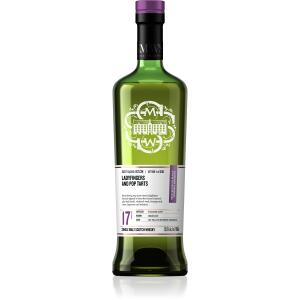
Single Malt Whisky
55.6% • 700ml • Highlands
5 Bottles Remaining
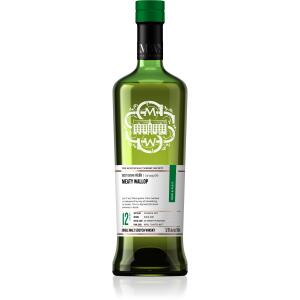
Single Malt Whisky
57.0% • 700ml • Highlands
6 Bottles Remaining