
Ledaig
Aged 18 Years
Single Malt Whisky
46.3% • 700ml • Islands
7 Bottles Remaining
$234.70
Whisky Folk: $222.96

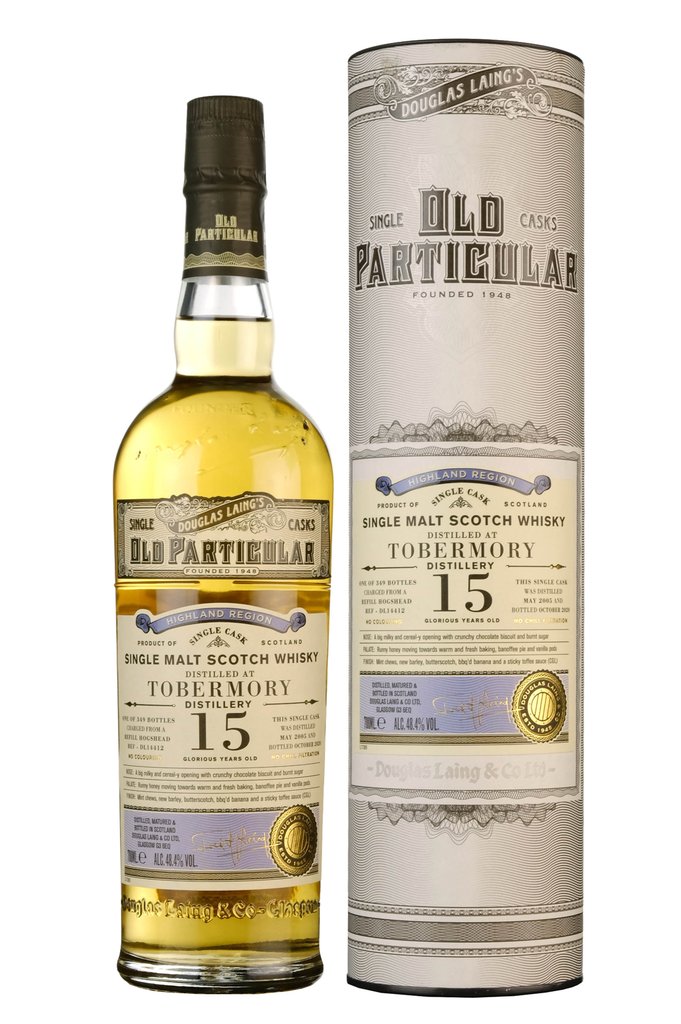

PRODUCERTobermory

BOTTLERIndependent Bottling by Douglas Laing & Co

AGE15 Years Aged, Distilled 2005

CASK TYPERefill Hoghead

RELEASEStandard Single Cask Release Of 349 Bottles

CHILL-FILTRATIONNo

ADDED COLOURNo

PEAT SMOKEDNo
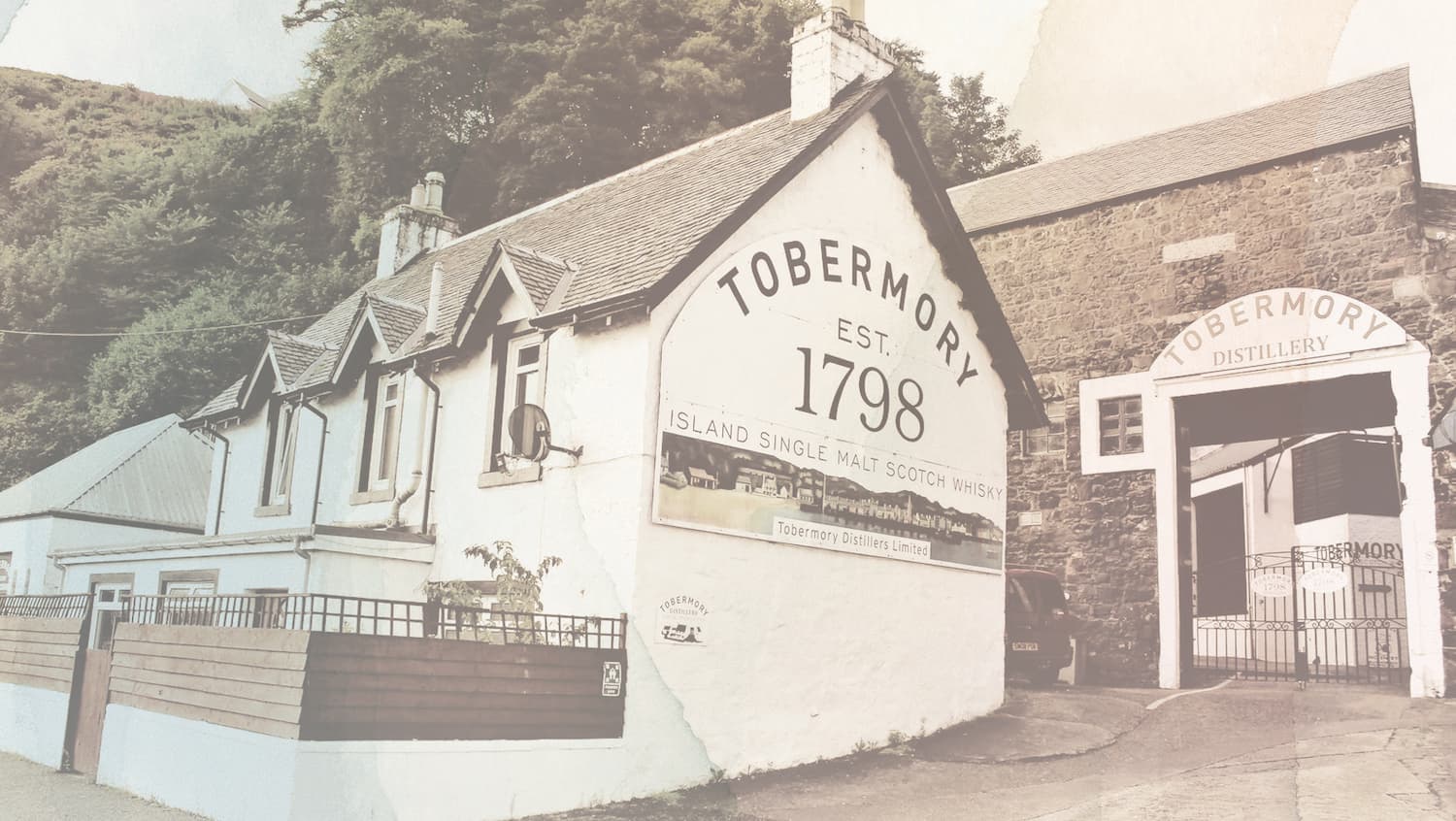
In the harbour town of Tobermory on the Isle of Mull, the brightly painted houses form a picture-postcard backdrop that has become as much a part of the distillery’s character as the whisky itself. The distillery sits tucked into this lively waterfront, drawing both on the island’s rugged coastal climate and on its ready access to pure water from the Mishnish Lochs above the town. Mull is a place of sea breezes, shifting skies, and craggy hills, and these elemental forces have always been said to play their part in the spirit’s formation.
The distillery itself can trace its roots back to 1798, which makes it one of Scotland’s older licensed operations, though its fortunes have waxed and waned dramatically over the centuries. Known for much of its history as Ledaig, it endured long stretches of closure, periods of neglect, and ownership that passed from local hands to larger firms and back again. Its survival has often seemed precarious, yet Tobermory has managed, with a certain island stubbornness, to cling on. In the 1990s it was revived under new stewardship, and more recently it has received significant investment that finally secured its long-term future.
Production at Tobermory is distinctive for its dual identity. For part of the year, the distillery makes unpeated single malt under the Tobermory name: fruity, maritime, often with a nutty undertone. For the remainder, it produces a heavily peated malt that continues the old Ledaig name, a muscular, smoky counterpoint to its gentler sibling. The stillhouse is fitted with oddly squat copper stills, which contribute to the weight of the spirit, and maturation takes place largely in refill casks, though sherry and wine finishes have become more common. The result is a house style that embraces contrast, allowing Mull’s only distillery to offer two very different yet complementary whiskies.
Single Malt Whisky
46.3% • 700ml • Islands
7 Bottles Remaining
Single Malt Whisky
41% • 700ml • Islands
6 Bottles Remaining

Single Malt Whisky
46.3% • 700ml • Islands
5 Bottles Remaining

Single Malt Whisky
46.3% • 700ml • Islands
3 Bottles Remaining

Single Malt Whisky
46.3% • 750ml • Islands
3 Bottles Remaining
Douglas Laing has the feel of a resolutely family whisky house, which is precisely what it is. Founded in Glasgow in 1948 by Fred Douglas Laing, the company began with a few casks and the King of Scots blend, then grew into one of the better-known names in independent Scotch bottling. Its history is not built on sheer scale, but on continuity: a family firm passing through generations, maintaining a distinct house identity while much of the wider whisky trade grew steadily more corporate. Today it remains independently owned, with Cara Laing and Fred Laing at the centre of the business.
What gives Douglas Laing its particular shape is the balance it has struck between single casks and carefully constructed regional blends. The company has long bottled individual malts and grains with a minimum of adornment, but it is perhaps best known to many drinkers through its Remarkable Regional Malts series, which turns broad Scotch geography into something lively and intelligible. Big Peat, Scallywag, Timorous Beastie and Rock Island are not shy creations, but they are more than clever labels, each intended to frame a particular regional or stylistic idea through blending rather than obscure it.
There is, too, a noticeable consistency in how Douglas Laing likes to present whisky. The company’s own philosophy emphasises bottling without chill-filtration or colouring, and at strengths intended to preserve texture and character. That preference gives the range a certain firmness of style, whether one is dealing with an Old Particular single cask or a more widely available small batch release. More recently, the acquisition of Strathearn gave the company a distilling arm of its own, adding another chapter to a business that had already spent decades selecting, blending and bottling Scotch with considerable assurance.

Blended Malt Whisky
46% • 700ml • Scotland
3 Bottles Remaining

Blended Malt Whisky
46% • 700ml • Lowlands
Only 1 Bottle Left

Blended Malt Whisky
48% • 700ml • Lowlands
Only 1 Bottle Left

Blended Malt Whisky
50% • 700ml • Scotland
Single Malt Whisky
57.2% • 700ml • Speyside

Blended Malt Whisky
54.8% • 750ml • Islay
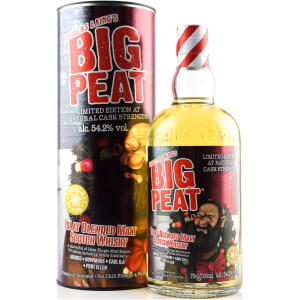
Blended Malt Whisky
54.2% • 700ml • Islay
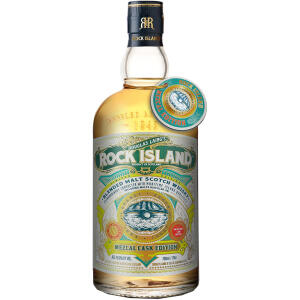
Blended Malt Whisky
46.6% • 700ml • Islands
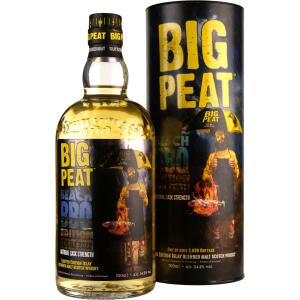
Blended Malt Whisky
54.21% • 700ml • Islay

Blended Malt Whisky
46% • 700ml • Scotland

The below is the average score out of 5 from our members, and the flavour profile which was voted to be the most prominent.
Join 1200+ other members and join our Whisky Folk community. Enjoy in-store samples, special exclusive releases, interactive tasting events, and 5-10% off on all regularly priced whiskies!

