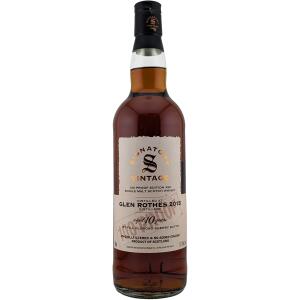
Glen Rothes
2015 Signatory Vintage 100 Proof Edition #50
Rich & Round4.4 ★
Single Malt Whisky
57.1% • 700ml • Speyside
6 Bottles Remaining
$119.04
Whisky Folk: $113.09


PRODUCERGlenrothes

BOTTLERIndependent Bottling by Gordon & MacPhail

AGE11 Years Aged

CASK TYPEEx-Sherry

RELEASEStandard Small Batch Release

CHILL-FILTRATIONNo

ADDED COLOURNo

PEAT SMOKEDNo
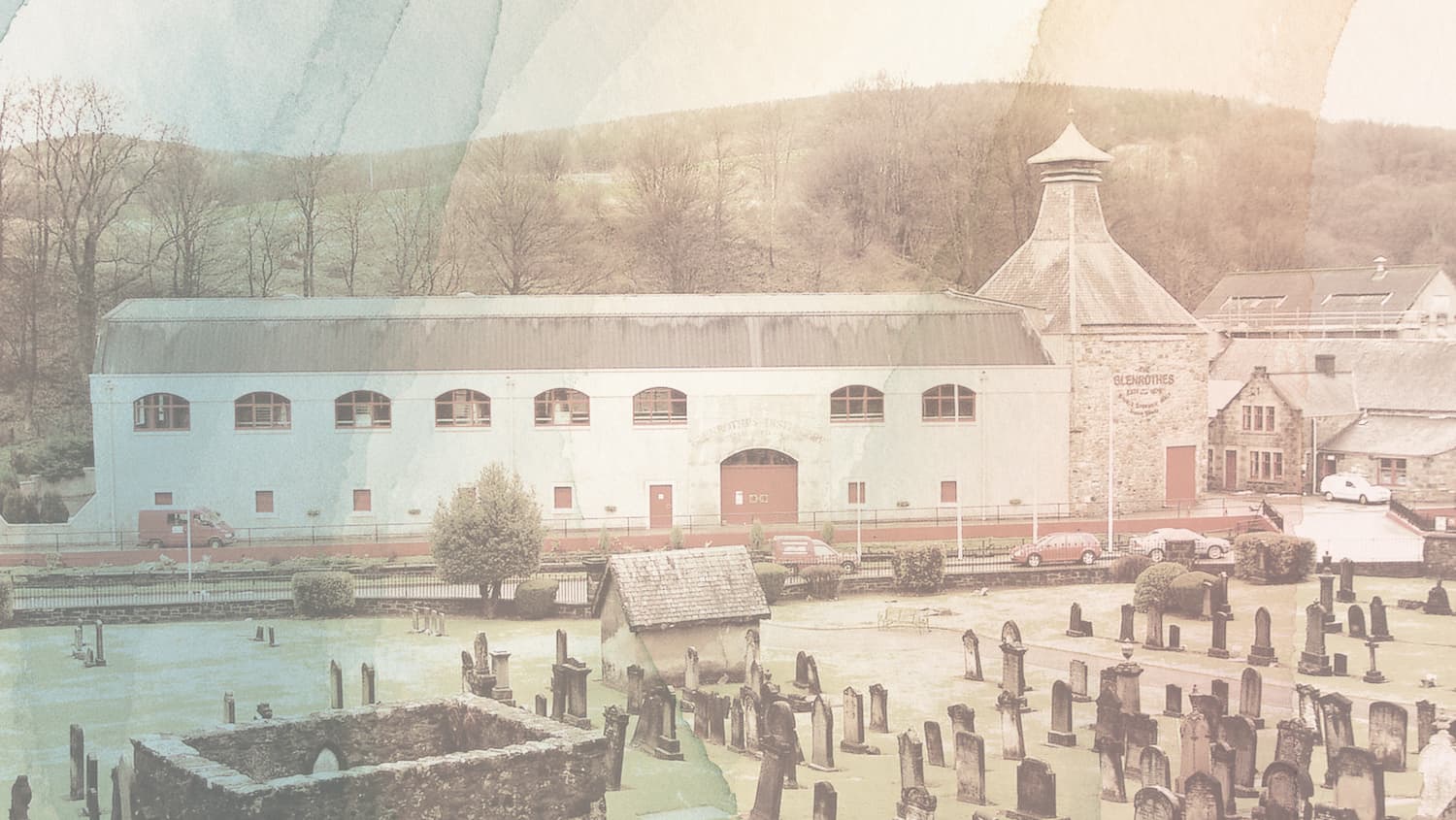
At Glenrothes, time is not a marketing word, it is a working principle. The mash is hustled along and fermentation is kept on the shorter side, handled in a considered mix of wooden and stainless-steel washbacks, with more timber than metal to soften the edges. Then the tempo changes. Distillation is drawn out through very tall stills fitted with boil bulbs, encouraging reflux and letting a broad spectrum of flavours be teased into order. Most of that new make is then asked to wait again: ex-Sherry casks, in both European and American oak, do the bulk of the work, with ex-Bourbon used alongside. It is a slow whisky, and in the glass it can take longer than most to open properly.
The distillery’s own beginnings were no less turbulent. Started in 1878, it almost foundered before completion when the collapse of the Glasgow Bank and wider economic jitters wrong-footed its original investors, who were connected to Macallan at the time. The project carried on under William Grant (not the Glenfiddich one), Robert Dick and John Cruikshank, and, in a peculiarly Presbyterian subplot, a timely loan arrived from the United Free Presbyterian Church of Knockando, teetotal in doctrine but charitable in practice. Prosperity followed, and an amalgamation with Bunnahabhain in 1887 helped bring Highland Distillers into existence.
From Rothes, the whisky became prized by blenders, notably in Cutty Sark and The Famous Grouse, even as the stillhouse expanded to ten stills. Berry Bros & Rudd later championed the single malt through vintage releases, single-year parcels selected to show maturation’s changing moods. After a period where brand and distillery were separated by corporate deal making, Edrington bought the brand back in 2017, leaving Glenrothes quietly industrious and, for the most part, closed to casual visitors.
Single Malt Whisky
57.1% • 700ml • Speyside
6 Bottles Remaining
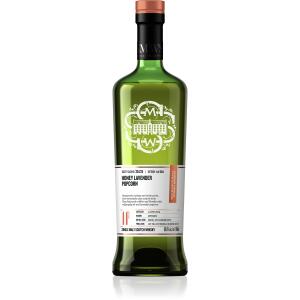
Single Malt Whisky
66.0% • 700ml • Speyside
5 Bottles Remaining
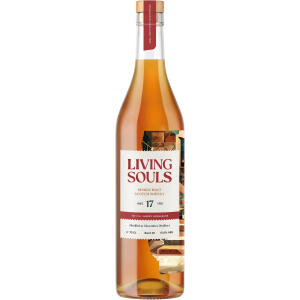
Single Malt Whisky
51.5% • 700ml • Speyside
3 Bottles Remaining

Single Malt Whisky
59.6% • 700ml • Speyside

Single Malt Whisky
67.8% • 752ml • Speyside
Founded in Elgin in 1895 by James Gordon and John Alexander MacPhail, Gordon & MacPhail began life not as a grand whisky house, but as a grocery and wine merchant, which feels somehow fitting. The company’s greatness lies partly in that old merchant sensibility: an eye for quality, a respect for provenance, and an understanding that time is often the most important ingredient in the room. Within a year, John Urquhart had joined the firm, and under his influence the business moved steadily into whisky broking, cask ownership, and bottling, establishing a model that would become one of the most revered in the independent bottling world.
What set Gordon & MacPhail apart was not merely access to casks, but the manner in which it used them. For decades, the company sent its own casks to distilleries across Scotland to be filled with new make spirit, then matured those casks either at the distillery or in its warehouses in Elgin. That gave it an unusual degree of influence over maturation, and helped create a vast archive of whisky from distilleries both famous and obscure, active and closed. In this sense, Gordon & MacPhail became not just a bottler, but a custodian of Scotland’s liquid history.
Its bottlings are typically marked by clarity and restraint: detailed age statements, cask information, and an emphasis on allowing distillery character to remain legible through long maturation. The company is also known for extraordinarily old releases, where patience is treated not as a marketing flourish, but as a house discipline. In recent years, Gordon & MacPhail has shifted its long-term focus toward its own distilleries, Benromach and The Cairn, and ceased filling casks at distilleries it does not own from 2024 onwards. Even so, its existing stocks are so extensive that whiskies under the Gordon & MacPhail name are expected to continue for decades, which seems entirely in keeping with a company that has always thought in generations rather than seasons.
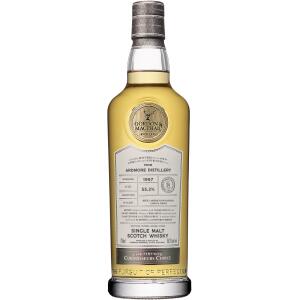
Single Malt Whisky
55.2% • 700ml • Highlands
4 Bottles Remaining

Single Malt Whisky
45.8% • 700ml • Highlands
2 Bottles Remaining
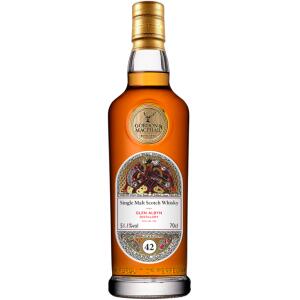
Single Malt Whisky
51.1% • 700ml • Highlands
4 Bottles Remaining
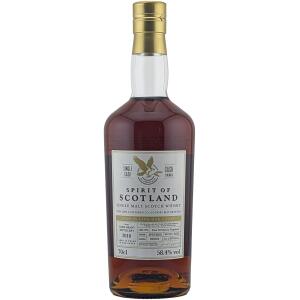
Single Malt Whisky
58.4% • 700ml • Speyside
3 Bottles Remaining
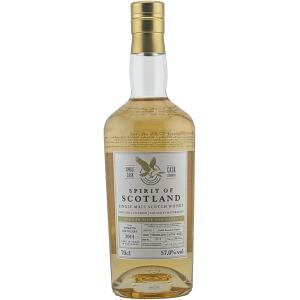
Single Malt Whisky
57.0% • 700ml • Highlands
10+ Bottles Available
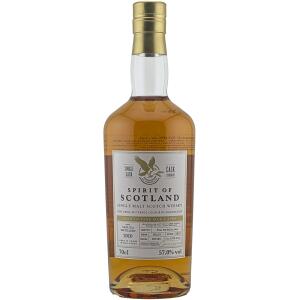
Single Malt Whisky
57.0% • 700ml • Islay
4 Bottles Remaining
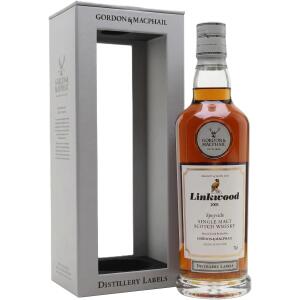
Single Malt Whisky
51.9% • 700ml • Speyside
Only 1 Bottle Left
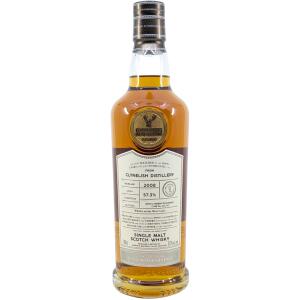
Single Malt Whisky
57.3% • 700ml • Highlands
3 Bottles Remaining
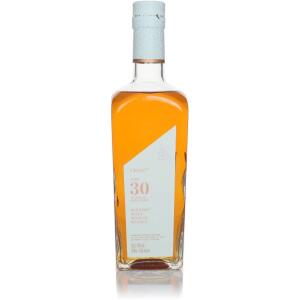
Blended Malt Whisky
43% • 700ml • Scotland
6 Bottles Remaining
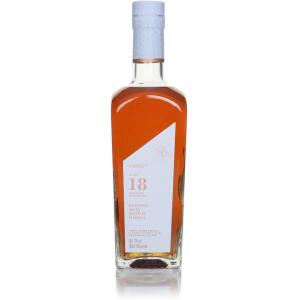
Blended Malt Whisky
43% • 700ml • Scotland
10+ Bottles Available

The below is the average score out of 5 from our members, and the flavour profile which was voted to be the most prominent.


Single Malt Whisky
56.5% • 700ml • Speyside
10+ Bottles Available
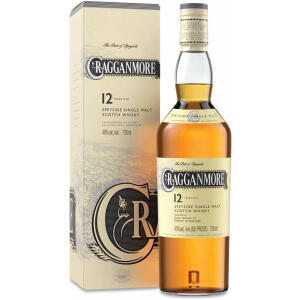
Single Malt Whisky
40% • 750ml • Speyside
10+ Bottles Available
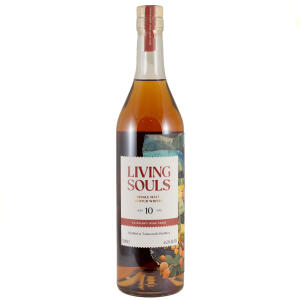
Single Malt Whisky
46% • 700ml • Speyside
2 Bottles Remaining
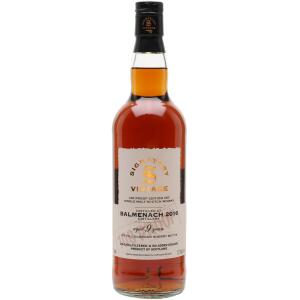
Single Malt Whisky
57.1% • 700ml • Speyside
Only 1 Bottle Left
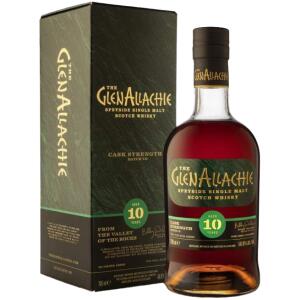
Single Malt Whisky
58.6% • 700ml • Speyside
2 Bottles Remaining