
SMWS 36.206
The Drum Major's Dram
Deep, Rich & Dried Fruits
Single Malt Whisky
58.1% • 700ml • Speyside

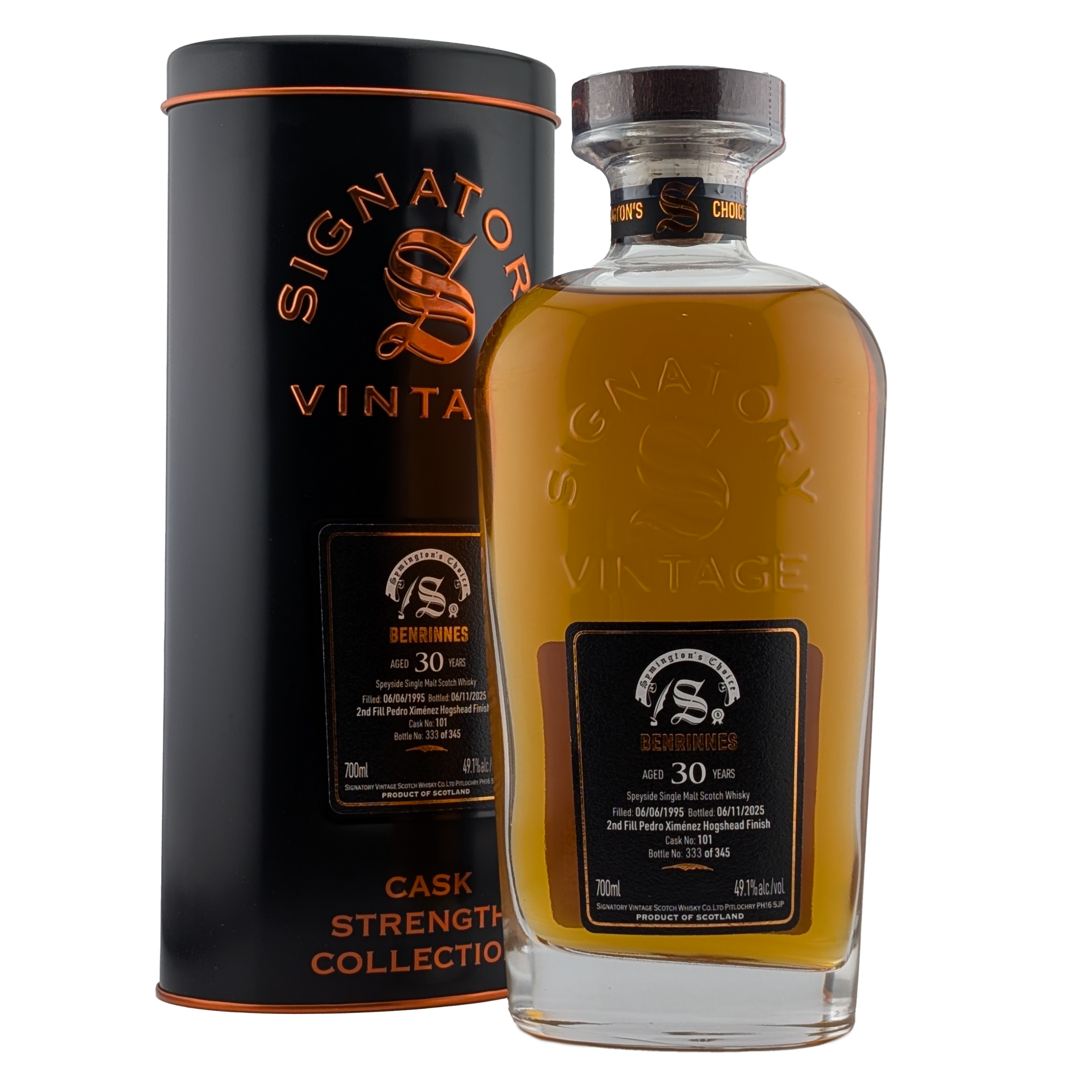


PRODUCERBenrinnes

BOTTLERIndependent Bottling by Signatory Vintage

AGE30 Years Aged, Distilled 1995

CASK TYPE2nd Fill PX Hogshead Finish

RELEASEStrath Exclusive In BC Cask Strength Single Cask Release Of 345 Bottles

CHILL-FILTRATIONNo

ADDED COLOURNo

PEAT SMOKEDNo
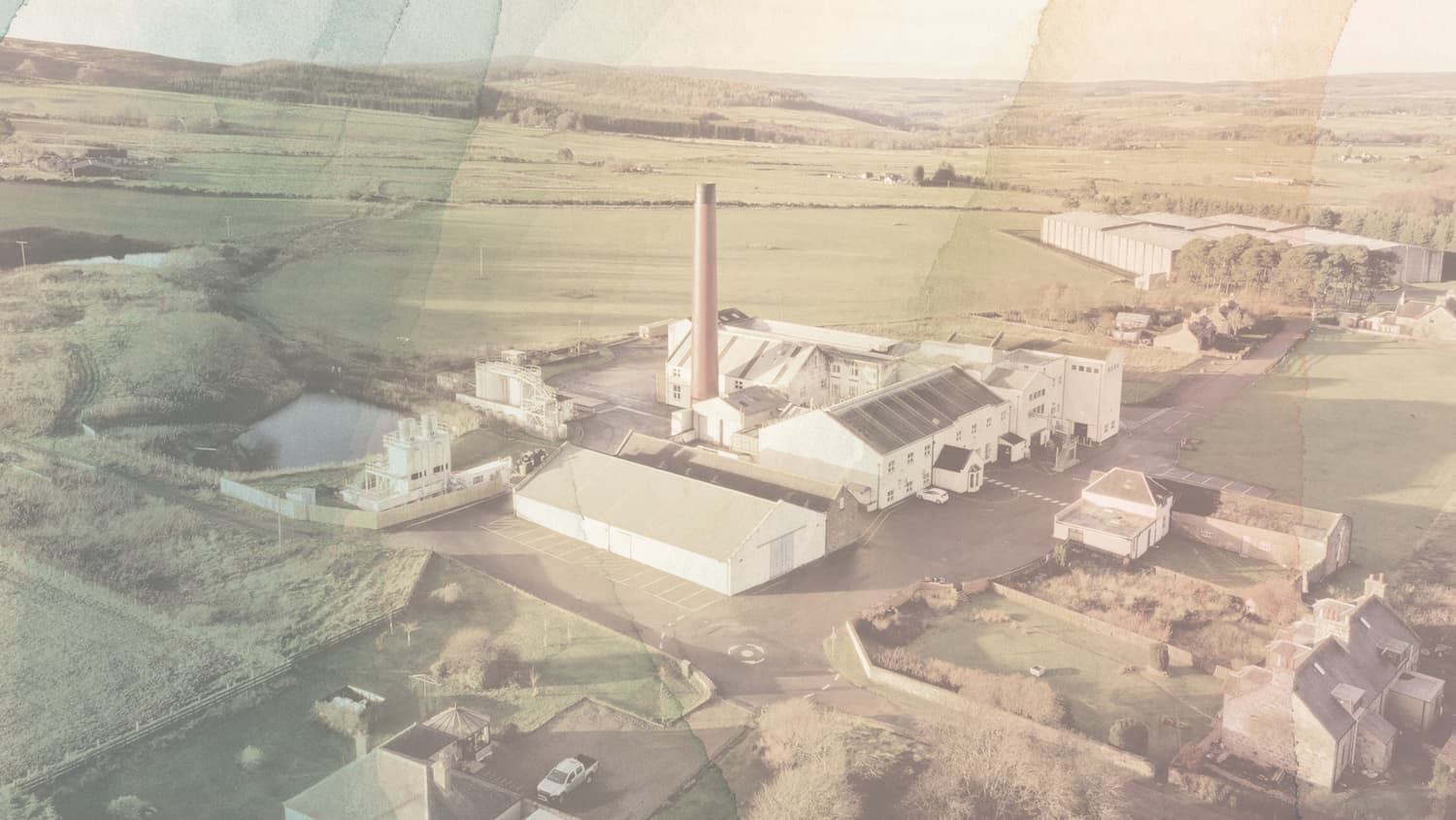
Benrinnes has had rather more opportunities to start again than most distilleries. Founded by Peter MacKenzie in 1826, its original buildings were swept away by catastrophic floods just three years later. Rebuilt on a new site by John Innes, it subsequently endured bankruptcies, changes of ownership, and a devastating fire in 1896. The influential Edward family eventually sold Benrinnes to John Dewar & Sons in 1922, and it now belongs to Diageo. After such a turbulent youth, its comparatively uneventful modern existence seems thoroughly deserved.
The distillery stands on the northern slopes of Ben Rinnes, the imposing mountain overlooking Speyside from which it takes its name. Close to Aberlour, it draws water from the Scurran and Rowantree Burns, while its sturdy stone buildings retain something of the character of a traditional Highland farmstead. Despite its Speyside address, however, Benrinnes has never been particularly interested in producing delicate, floral whisky.
Its distinctive character owes much to an unusual distillation regime. Between 1974 and 2007, Benrinnes employed a complex form of partial triple distillation, carefully recycling portions of its spirit through three stages. Although conventional double distillation has since replaced this arrangement, its six copper pot stills continue to feed traditional worm tub condensers, encouraging a substantial, weighty spirit with pronounced savoury qualities. Unpeated malt, wooden washbacks, and a relatively robust distillate contribute to a house style often described as meaty, rich, and occasionally sulphury. Sherry maturation can lend further layers of dried fruit, chocolate, and spice. Most production disappears into blended Scotch, making the 15-year-old Flora & Fauna expression and independent bottlings particularly welcome opportunities to discover one of Speyside's more muscular personalities.
Single Malt Whisky
58.1% • 700ml • Speyside
Single Malt Whisky
57.2% • 700ml • Speyside

Single Malt Whisky
56.9% • 700ml • Speyside

Single Malt Whisky
56.9% • 700ml • Speyside

Single Malt Whisky
57.6% • 700ml • Speyside
Founded in 1988 by Andrew Symington, Signatory Vintage Scotch Whisky Company emerged during a period when independent bottling was still a relatively understated part of the Scotch whisky landscape. Symington’s approach was clear from the outset: to source individual casks and present them with minimal interference, often at natural cask strength, allowing the character of both distillery and maturation to remain fully intact. It was a philosophy rooted not in consistency, but in variation, and in the belief that each cask had something distinct to say.
Over time, the company built a reputation for both breadth and depth. Its releases have spanned an extraordinary range of distilleries, from well-known names to those long since closed, preserving liquid that might otherwise have disappeared into blends or obscurity. This archival instinct has become one of Signatory’s defining traits, offering drinkers access to styles and profiles that no longer exist in active production. The acquisition of Edradour Distillery in 2002 added a physical anchor to its operations, while leaving its core identity as a bottler unchanged.
What distinguishes Signatory most clearly is its transparency and structure. Bottlings typically carry detailed information, including distillation and bottling dates, cask type, and outturn, presented without embellishment. Much of the range is released without chill filtration or added colouring, reinforcing a sense of fidelity to the cask. Alongside its single cask releases, the introduction of the 100 Proof range has provided a more structured offering, where whiskies are selected and batched to be bottled at a consistent strength of 57.1% ABV. These releases retain the company’s emphasis on clarity and integrity, while offering a slightly more approachable framework for regular availability, balancing individuality with a degree of continuity.
Across series such as the Un-Chillfiltered Collection, Cask Strength releases, and the 100 Proof range, the underlying principle remains consistent: each bottle represents a moment in time, shaped by wood, spirit, and patience, and presented with a minimum of intervention.
Single Malt Whisky
57.1% • 700ml • Islay
10+ Bottles Available
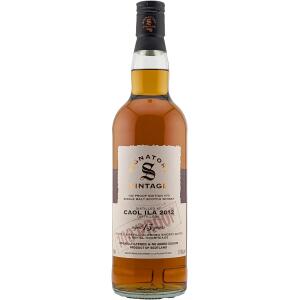
Single Malt Whisky
57.1% • 700ml • Islay
6 Bottles Remaining
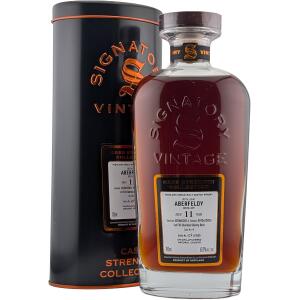
Single Malt Whisky
60.0% • 700ml • Highlands
4 Bottles Remaining
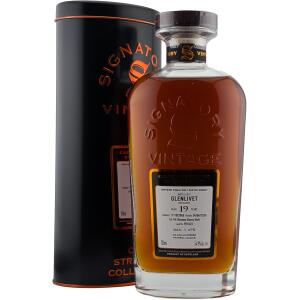
Single Malt Whisky
54.9% • 700ml • Speyside
4 Bottles Remaining
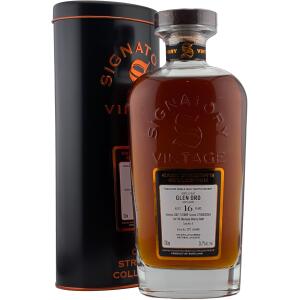
Single Malt Whisky
56.7% • 700ml • Highlands
4 Bottles Remaining
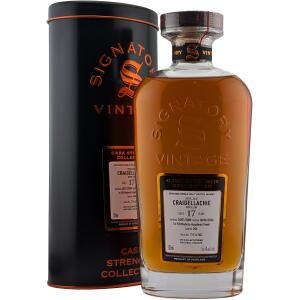
Single Malt Whisky
55.4% • 700ml • Speyside
9 Bottles Remaining
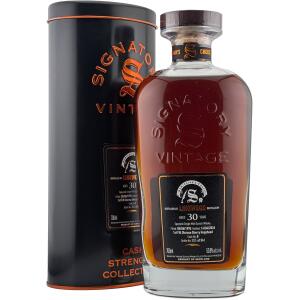
Single Malt Whisky
50.8% • 700ml • Speyside
3 Bottles Remaining
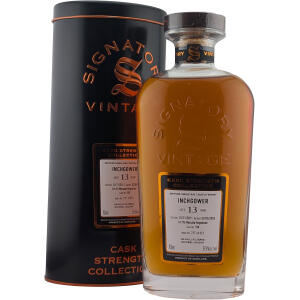
Single Malt Whisky
59.6% • 700ml • Speyside
2 Bottles Remaining
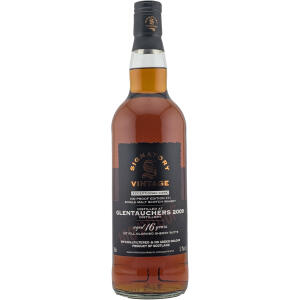
Single Malt Whisky
57.1% • 700ml • Speyside
6 Bottles Remaining
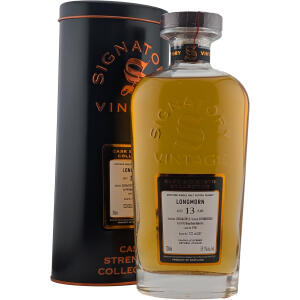
Single Malt Whisky
59.1% • 700ml • Speyside
4 Bottles Remaining

The below is the average score out of 5 from our members, and the flavour profile which was voted to be the most prominent.
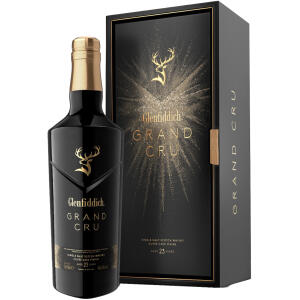
Single Malt Whisky
40% • 750ml • Speyside
Only 1 Bottle Left

Single Malt Whisky
49.2% • 700ml • Speyside
Only 1 Bottle Left

Single Malt Whisky
43% • 700ml • Speyside
2 Bottles Remaining