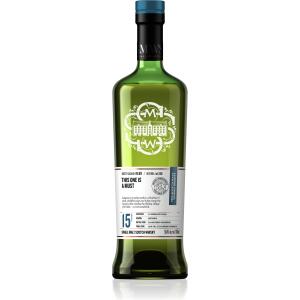
SMWS 18.69
This One Is A Must
Oily & Coastal
Single Malt Whisky
231% • 700ml • Speyside
8 Bottles Remaining


PRODUCERInchgower

BOTTLERIndependent Bottling by Hunter Laing

AGE23 Years Aged, Distilled 1998

CASK TYPERefill Hogshead

RELEASEStandard Single Cask Release Of 98 Bottles

CHILL-FILTRATIONNo

ADDED COLOURNo

PEAT SMOKEDNo
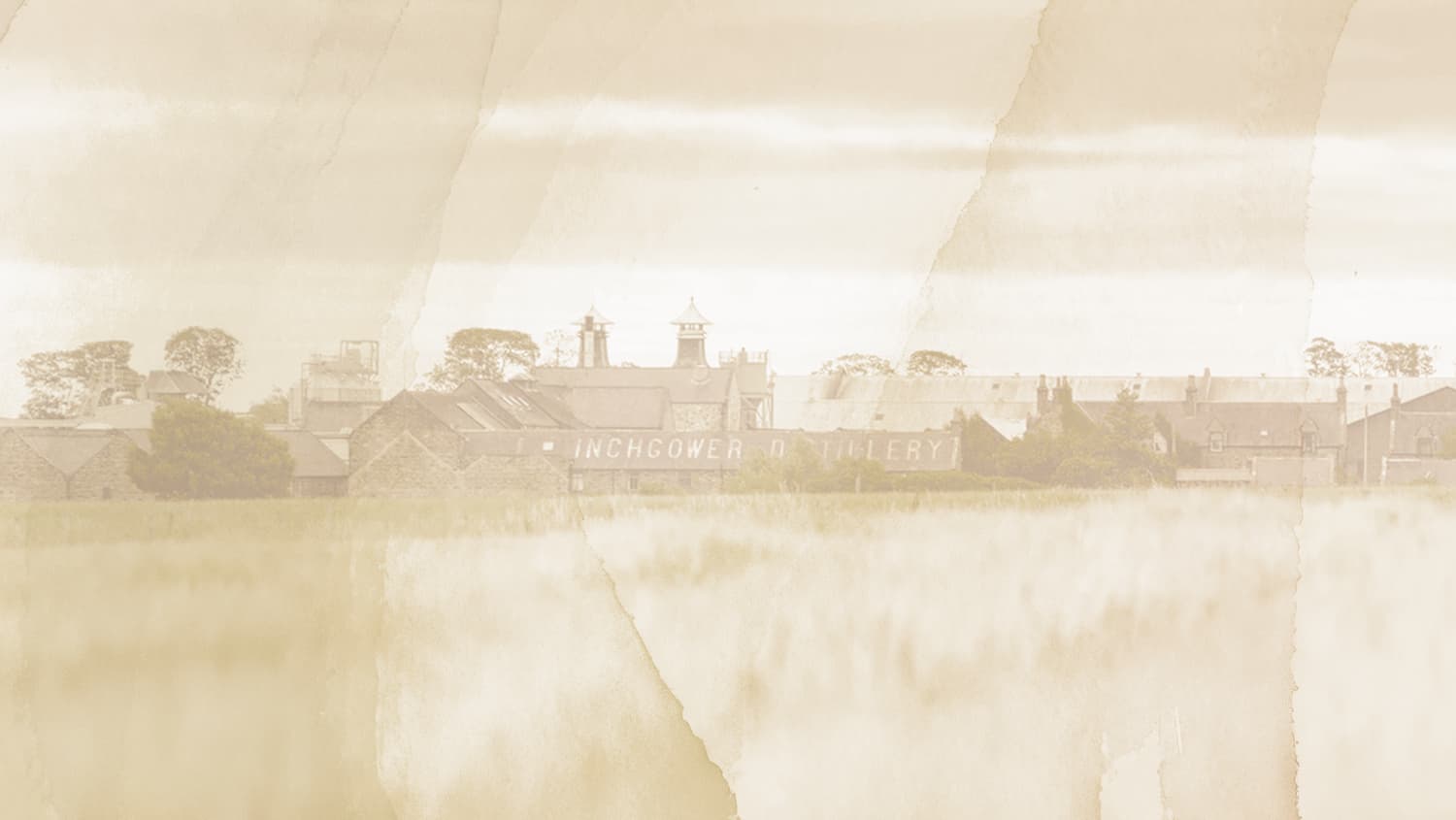
For two years in the 1930s, the burgh of Buckie found itself in the unusual position of owning a whisky distillery. Inchgower had fallen into bankruptcy in 1936, so the local council stepped in and bought it, before selling it two years later to Arthur Bell & Sons for £3,000. One can only imagine the discussions at the council meetings.
The distillery itself dates to 1871, when Alexander Wilson built it on the outskirts of Buckie using equipment salvaged from his closed Tochineal distillery. Its position places it at the very northern edge of Speyside, close enough to the Moray Firth for Inchgower to have acquired a reputation for an almost maritime character. Bell’s proved a more permanent home than the council chamber. The distillery became an important component of the company’s blends, passing through Guinness and United Distillers before becoming part of Diageo.
Inchgower is deliberately made with a bit of heft. A relatively quick mash, using an unusually hot second water, helps suppress some of the nuttier flavours, while short fermentations and steeply descending lyne arms encourage heavier compounds to travel into the spirit. Four stills produce a robust new make with spice, grass, fruit, and a distinctive waxiness that can occasionally suggest its distant Diageo cousin, Clynelish.
Very little has traditionally appeared as official single malt, although a 14-year-old survives in the Flora & Fauna range. Independent bottlers have therefore provided many enthusiasts with their introduction to Inchgower, where its combination of wax, spice, fruit, and occasional salty notes makes it one of Speyside’s more agreeably peculiar residents.
Single Malt Whisky
231% • 700ml • Speyside
8 Bottles Remaining
Single Malt Whisky
59.6% • 700ml • Speyside
3 Bottles Remaining
Single Malt Whisky
55.8% • 700ml • Speyside

Single Malt Whisky
60.4% • 700ml • Speyside
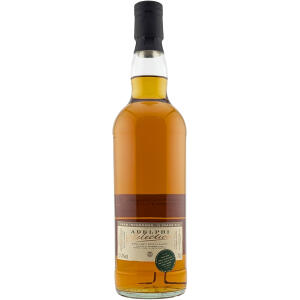
Single Malt Whisky
57.4% • 700ml • Speyside
Hunter Laing has the reassuring air of a family firm that knows exactly what it is about. Established in 2013 by Stewart Laing after the division of Douglas Laing, the company carried forward not only decades of experience in the whisky trade but also a substantial inherited culture of cask selection, blending, and bottling. Its own account places the family in the Scotch whisky business for more than three generations, which helps explain the sense of continuity that runs through the range.
What has distinguished Hunter Laing is its preference for clarity over fuss. The portfolio includes Old Malt Cask, a long-running series of rare and older malts bottled at 50% ABV, alongside the Old & Rare range for cask strength bottlings of greater age and gravitas. There are also more accessible lines such as Hepburn’s Choice and Highland Journey, giving the company a breadth of offering without losing its identity as a bottler concerned with provenance and character. The emphasis is less on theatrical presentation than on letting cask, distillery, and age speak plainly.
In recent years, Hunter Laing has added a distilling chapter of its own through Ardnahoe on Islay, the company’s first distillery. That move feels less like a change of course than a natural extension of the same family ambition: to remain deeply involved in whisky not only at the point of selection and maturation, but at the beginning of the process as well. Even so, the core appeal of Hunter Laing remains much as it has always been, a house style built not around uniformity, but around the conviction that individual casks, honestly presented, are interesting enough on their own.

Single Malt Whisky
50% • 700ml • Speyside
3 Bottles Remaining
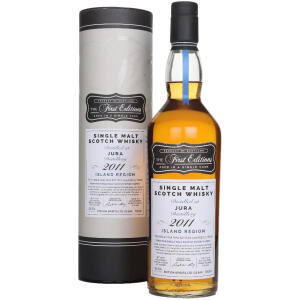
Single Malt Whisky
53.5% • 700ml • Islands
2 Bottles Remaining
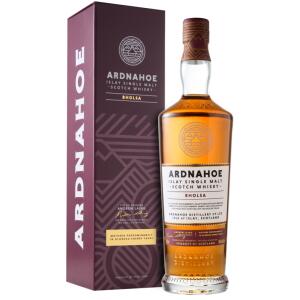
Single Malt Whisky
50% • 750ml • Islay
9 Bottles Remaining

Single Malt Whisky
46% • 700ml • Islay
5 Bottles Remaining

Single Malt Whisky
50% • 700ml • Highlands
2 Bottles Remaining
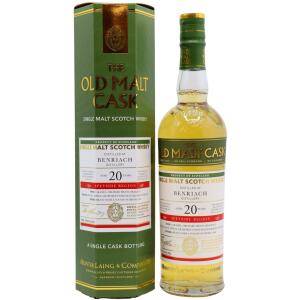
Single Malt Whisky
50% • 700ml • Speyside
5 Bottles Remaining

Single Malt Whisky
50% • 700ml • Highlands
3 Bottles Remaining

Single Malt Whisky
50% • 700ml • Islands
Only 1 Bottle Left

Single Malt Whisky
50% • 700ml • Speyside

Single Malt Whisky
50% • 700ml • Speyside

The below is the average score out of 5 from our members, and the flavour profile which was voted to be the most prominent.
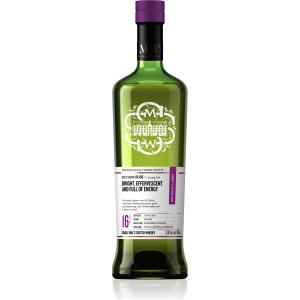
Single Malt Whisky
57.6% • 700ml • Speyside
Only 1 Bottle Left
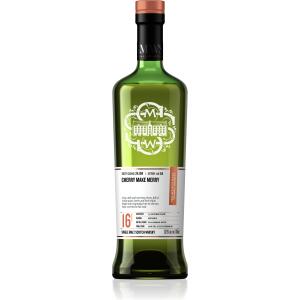
Single Malt Whisky
62.9% • 700ml • Speyside
4 Bottles Remaining

Single Malt Whisky
53.5% • 700ml • Speyside
6 Bottles Remaining
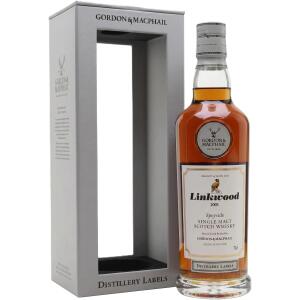
Single Malt Whisky
51.9% • 700ml • Speyside
Only 1 Bottle Left

Single Malt Whisky
52.3% • 700ml • Speyside
2 Bottles Remaining