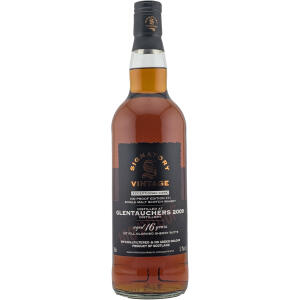
Glentauchers
2009 Signatory 100 Proof Exceptional Cask Edition #11
Rich & Round4.5 ★
Single Malt Whisky
57.1% • 700ml • Speyside
6 Bottles Remaining
$182.52
Whisky Folk: $173.40


PRODUCERGlentauchers

BOTTLERIndependent Bottling by Gordon & MacPhail

AGE15 Years Aged, Distilled 2008

CASK TYPEUnknown

RELEASEStandard Small Batch Release

CHILL-FILTRATIONNo

ADDED COLOURNo

PEAT SMOKEDNo
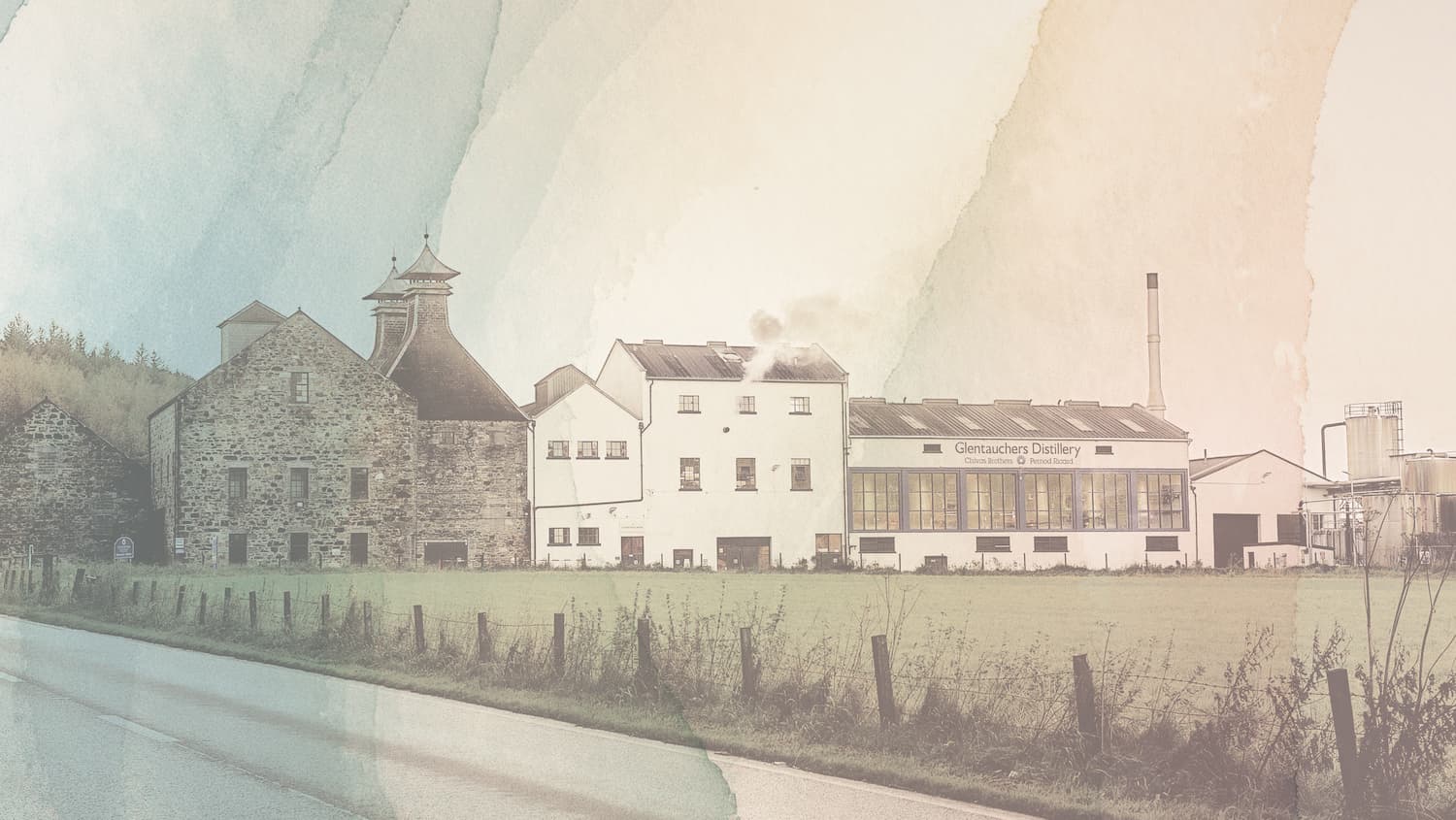
Some distilleries spend a great deal of effort making sure you know they exist. Glentauchers has spent most of its life doing quite the opposite. Built in 1898 by James Buchanan & Co with Glasgow blender W. P. Lowrie, it was created not to become a famous single malt, but to provide the elegant, dependable spirit needed for Buchanan’s and Black & White. More than a century later, much of its whisky still disappears quietly into blends, particularly Ballantine’s.
The distillery stands a few miles west of Keith, beside the road towards Craigellachie. Its position was eminently practical: the railway ran immediately behind the site, an important advantage when barley, coal, casks, and whisky all travelled by rail. Glentauchers expanded from two stills to six in 1966, but the difficult 1980s eventually caught up with it. Production stopped in 1985, Allied Distillers purchased the silent distillery in 1989, and the stills finally returned to work in 1992. It became part of Chivas Brothers following Pernod Ricard’s acquisition of Allied Domecq in 2005.
Glentauchers is designed for delicacy rather than muscle. Long fermentations and deliberately slow distillation encourage a floral, fruity spirit, with malt sweetness and soft orchard notes rather than earthy weight. Six Oregon pine washbacks feed three wash stills and three spirit stills, continuing a pleasingly traditional production regime. There has been experimentation too: in the early twentieth century, Glentauchers trialled an unusual form of continuous distillation using adapted pot stills.
It remains, fittingly, a whisky better known to blenders and independent bottlers than to the general public: quietly excellent, and apparently quite content with the arrangement.
Single Malt Whisky
57.1% • 700ml • Speyside
6 Bottles Remaining

Single Malt Whisky
61.1% • 700ml • Speyside

Single Malt Whisky
58.4% • 700ml • Speyside

Single Malt Whisky
54.1% • 700ml • Speyside

Single Malt Whisky
52.3% • 750ml • Speyside
Founded in Elgin in 1895 by James Gordon and John Alexander MacPhail, Gordon & MacPhail began life not as a grand whisky house, but as a grocery and wine merchant, which feels somehow fitting. The company’s greatness lies partly in that old merchant sensibility: an eye for quality, a respect for provenance, and an understanding that time is often the most important ingredient in the room. Within a year, John Urquhart had joined the firm, and under his influence the business moved steadily into whisky broking, cask ownership, and bottling, establishing a model that would become one of the most revered in the independent bottling world.
What set Gordon & MacPhail apart was not merely access to casks, but the manner in which it used them. For decades, the company sent its own casks to distilleries across Scotland to be filled with new make spirit, then matured those casks either at the distillery or in its warehouses in Elgin. That gave it an unusual degree of influence over maturation, and helped create a vast archive of whisky from distilleries both famous and obscure, active and closed. In this sense, Gordon & MacPhail became not just a bottler, but a custodian of Scotland’s liquid history.
Its bottlings are typically marked by clarity and restraint: detailed age statements, cask information, and an emphasis on allowing distillery character to remain legible through long maturation. The company is also known for extraordinarily old releases, where patience is treated not as a marketing flourish, but as a house discipline. In recent years, Gordon & MacPhail has shifted its long-term focus toward its own distilleries, Benromach and The Cairn, and ceased filling casks at distilleries it does not own from 2024 onwards. Even so, its existing stocks are so extensive that whiskies under the Gordon & MacPhail name are expected to continue for decades, which seems entirely in keeping with a company that has always thought in generations rather than seasons.
Single Malt Whisky
55.2% • 700ml • Highlands
4 Bottles Remaining
Single Malt Whisky
45.8% • 700ml • Highlands
2 Bottles Remaining
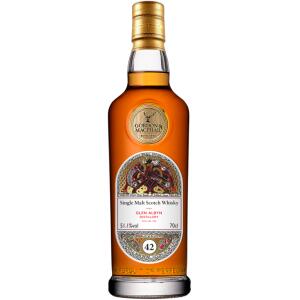
Single Malt Whisky
51.1% • 700ml • Highlands
4 Bottles Remaining
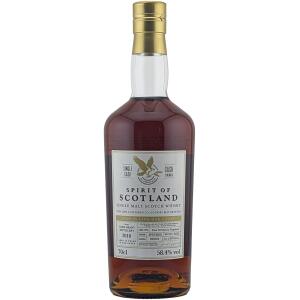
Single Malt Whisky
58.4% • 700ml • Speyside
3 Bottles Remaining
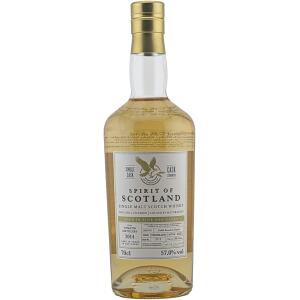
Single Malt Whisky
57.0% • 700ml • Highlands
10+ Bottles Available
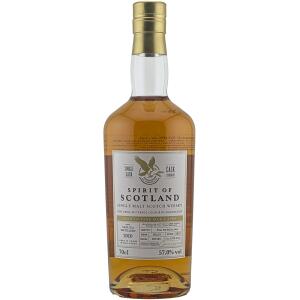
Single Malt Whisky
57.0% • 700ml • Islay
4 Bottles Remaining
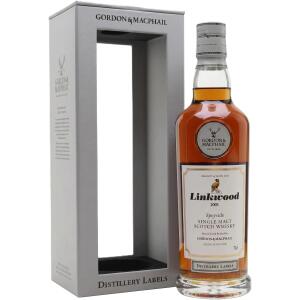
Single Malt Whisky
51.9% • 700ml • Speyside
Only 1 Bottle Left
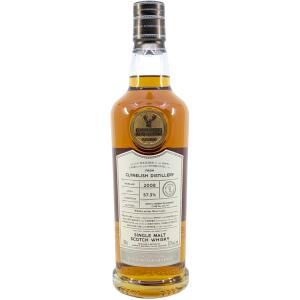
Single Malt Whisky
57.3% • 700ml • Highlands
3 Bottles Remaining
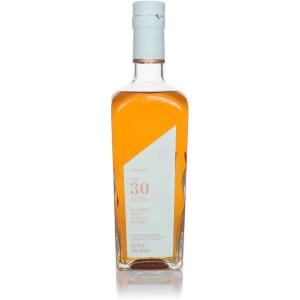
Blended Malt Whisky
43% • 700ml • Scotland
6 Bottles Remaining
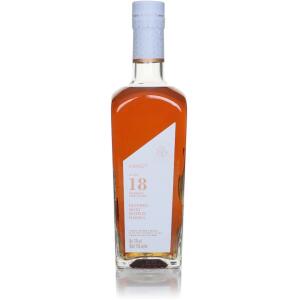
Blended Malt Whisky
43% • 700ml • Scotland
10+ Bottles Available

The below is the average score out of 5 from our members, and the flavour profile which was voted to be the most prominent.
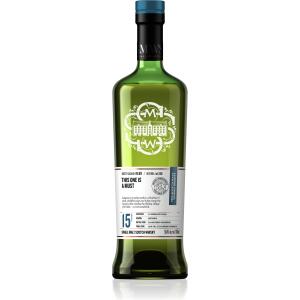
Single Malt Whisky
231% • 700ml • Speyside
8 Bottles Remaining
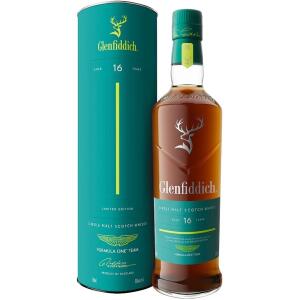
Single Malt Whisky
43% • 700ml • Speyside
5 Bottles Remaining
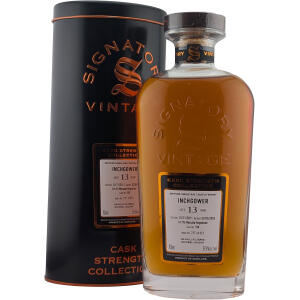
Single Malt Whisky
59.6% • 700ml • Speyside
3 Bottles Remaining
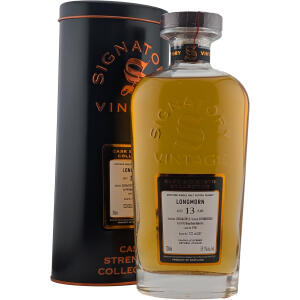
Single Malt Whisky
59.1% • 700ml • Speyside
4 Bottles Remaining
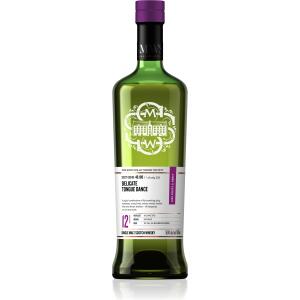
Single Malt Whisky
59.4% • 700ml • Speyside
5 Bottles Remaining