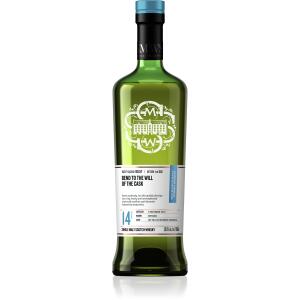
SMWS 80.57
Bend To The Will Of The Cask
Juicy, Oak & Vanilla
Single Malt Whisky
56.8% • 700ml • Speyside
10+ Bottles Available

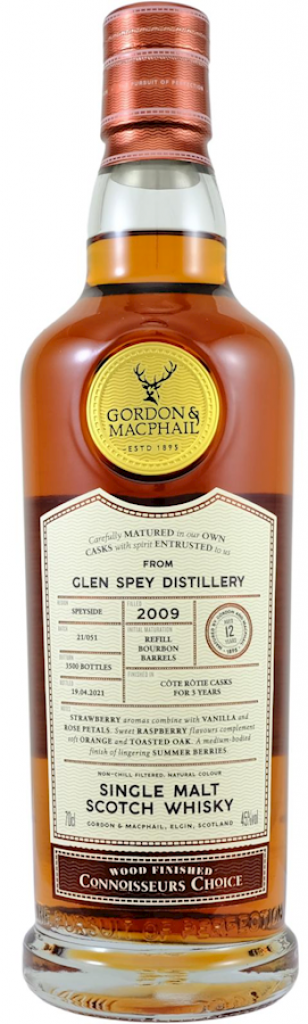

PRODUCERGlen Spey

BOTTLEROfficial Distillery Release by Gordon & MacPhail

AGE12 Years Aged, Distilled 2009

CASK TYPE3 Year Ex-Cote Rotie Cask Finish

RELEASEStandard Small Batch Release Of 3500 Bottles

CHILL-FILTRATIONNo

ADDED COLOURNo

PEAT SMOKEDNo
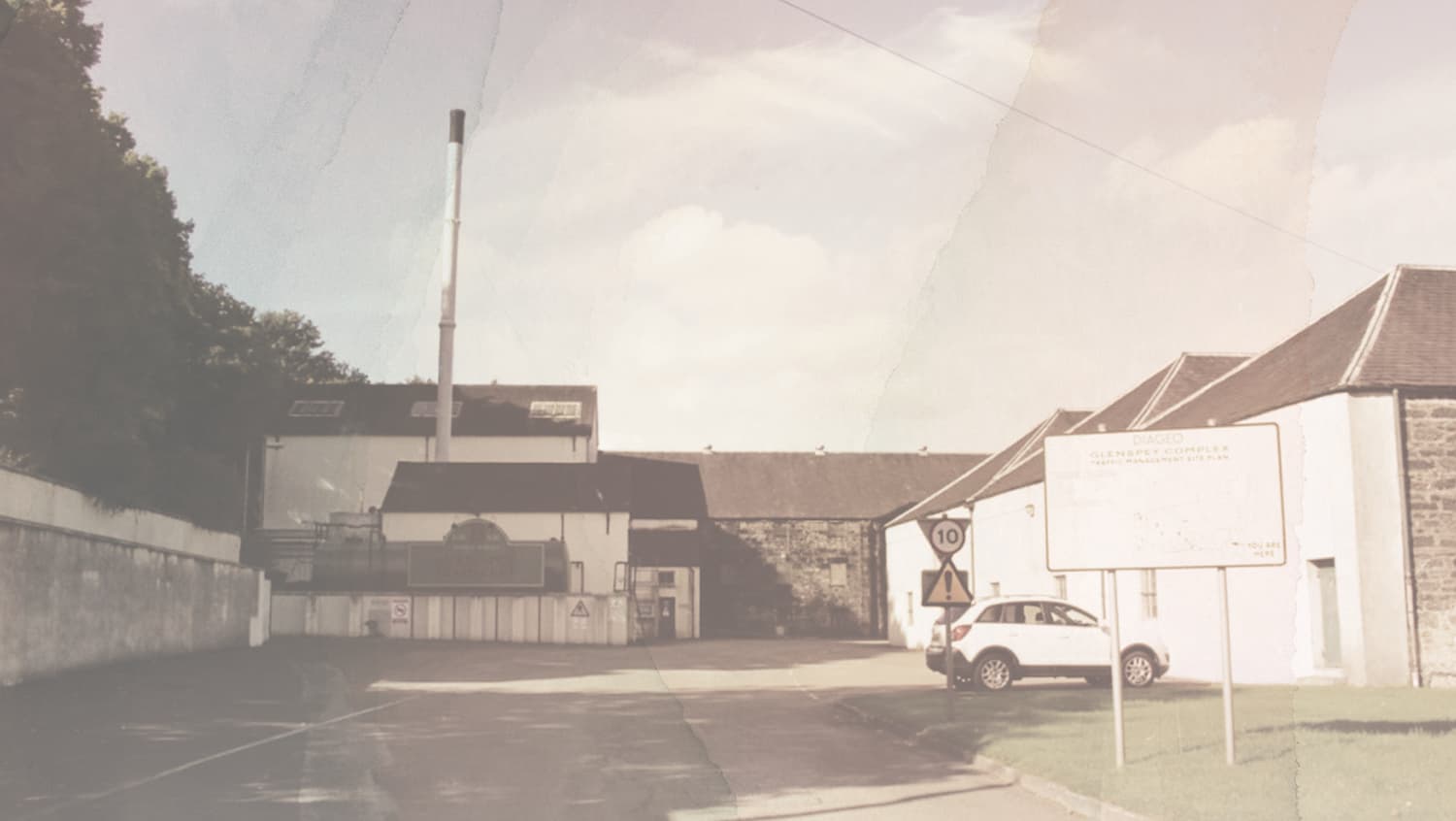
In the shadow of the River Spey’s gentle meanders, tucked within the industrious heart of Rothes, Glen Spey is one of those distilleries that has quietly but steadily furnished the blending trade for more than a century. Unlike some of its more ostentatious Speyside neighbours, it is not a household name, but therein lies its charm: a modest workhorse with a singular character, often overlooked by all but the most devoted whisky wanderers.
Founded in 1878 by James Stuart, who also once owned the Macallan, Glen Spey was part of the late Victorian boom in distilling. Its fortunes soon shifted into the hands of W. & A. Gilbey, the London wine and spirits merchants, who made it a key ingredient in their blends. Successive mergers and acquisitions have carried it through the great consolidations of the 20th century, and today it rests in the vast Diageo portfolio, its primary role still as a blending component. History, in Glen Spey’s case, is not marked by grand upheavals, but rather by a consistent, almost stoic contribution to Scotch as a whole.
What sets Glen Spey apart, however, is a quirky technical detail: the use of purifier pipes on its spirit stills, creating an extra reflux that lends a lighter, somewhat grassy, and nutty style. This makes its spirit eminently suitable for blending, lending brightness and delicacy without overwhelming a mix. When bottled as a single malt, most often through the Flora & Fauna series, one finds gentle orchard fruits, a hint of almond, and a subtle green freshness, a whisper of the Spey rather than a fanfare.
Single Malt Whisky
56.8% • 700ml • Speyside
10+ Bottles Available
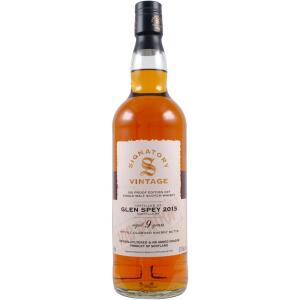
Single Malt Whisky
57.1% • 700ml • Speyside

Single Malt Whisky
53% • 700ml • Speyside

Single Malt Whisky
56.8% • 700ml • Speyside

Single Malt Whisky
58.8% • 750ml • Speyside
Founded in Elgin in 1895 by James Gordon and John Alexander MacPhail, Gordon & MacPhail began life not as a grand whisky house, but as a grocery and wine merchant, which feels somehow fitting. The company’s greatness lies partly in that old merchant sensibility: an eye for quality, a respect for provenance, and an understanding that time is often the most important ingredient in the room. Within a year, John Urquhart had joined the firm, and under his influence the business moved steadily into whisky broking, cask ownership, and bottling, establishing a model that would become one of the most revered in the independent bottling world.
What set Gordon & MacPhail apart was not merely access to casks, but the manner in which it used them. For decades, the company sent its own casks to distilleries across Scotland to be filled with new make spirit, then matured those casks either at the distillery or in its warehouses in Elgin. That gave it an unusual degree of influence over maturation, and helped create a vast archive of whisky from distilleries both famous and obscure, active and closed. In this sense, Gordon & MacPhail became not just a bottler, but a custodian of Scotland’s liquid history.
Its bottlings are typically marked by clarity and restraint: detailed age statements, cask information, and an emphasis on allowing distillery character to remain legible through long maturation. The company is also known for extraordinarily old releases, where patience is treated not as a marketing flourish, but as a house discipline. In recent years, Gordon & MacPhail has shifted its long-term focus toward its own distilleries, Benromach and The Cairn, and ceased filling casks at distilleries it does not own from 2024 onwards. Even so, its existing stocks are so extensive that whiskies under the Gordon & MacPhail name are expected to continue for decades, which seems entirely in keeping with a company that has always thought in generations rather than seasons.
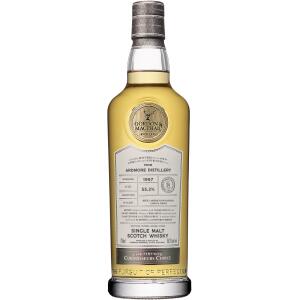
Single Malt Whisky
55.2% • 700ml • Highlands
4 Bottles Remaining

Single Malt Whisky
45.8% • 700ml • Highlands
2 Bottles Remaining
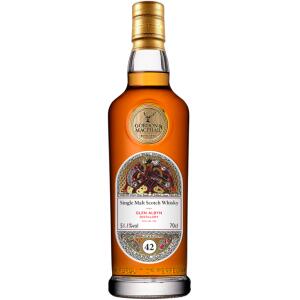
Single Malt Whisky
51.1% • 700ml • Highlands
4 Bottles Remaining
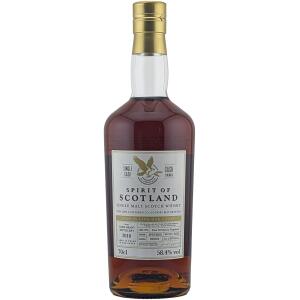
Single Malt Whisky
58.4% • 700ml • Speyside
3 Bottles Remaining
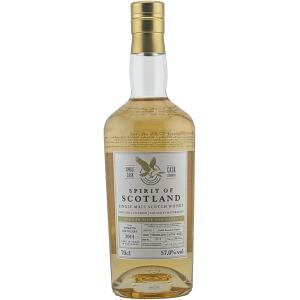
Single Malt Whisky
57.0% • 700ml • Highlands
10+ Bottles Available

The below is the average score out of 5 from our members, and the flavour profile which was voted to be the most prominent.
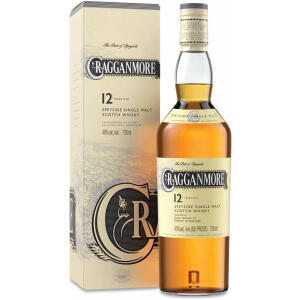
Single Malt Whisky
40% • 750ml • Speyside
10+ Bottles Available
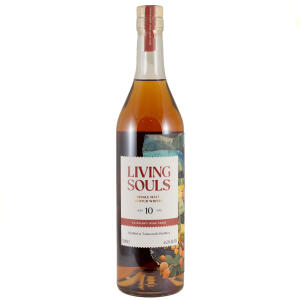
Single Malt Whisky
46% • 700ml • Speyside
2 Bottles Remaining
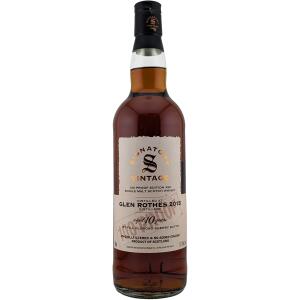
Single Malt Whisky
57.1% • 700ml • Speyside
6 Bottles Remaining
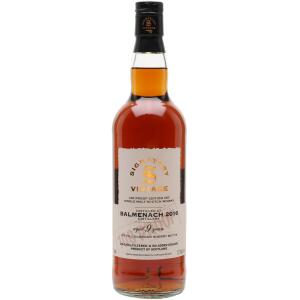
Single Malt Whisky
57.1% • 700ml • Speyside
Only 1 Bottle Left
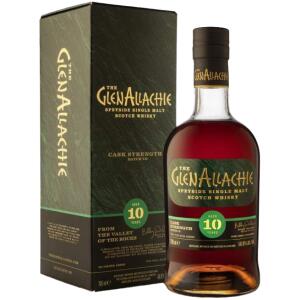
Single Malt Whisky
58.6% • 700ml • Speyside
2 Bottles Remaining